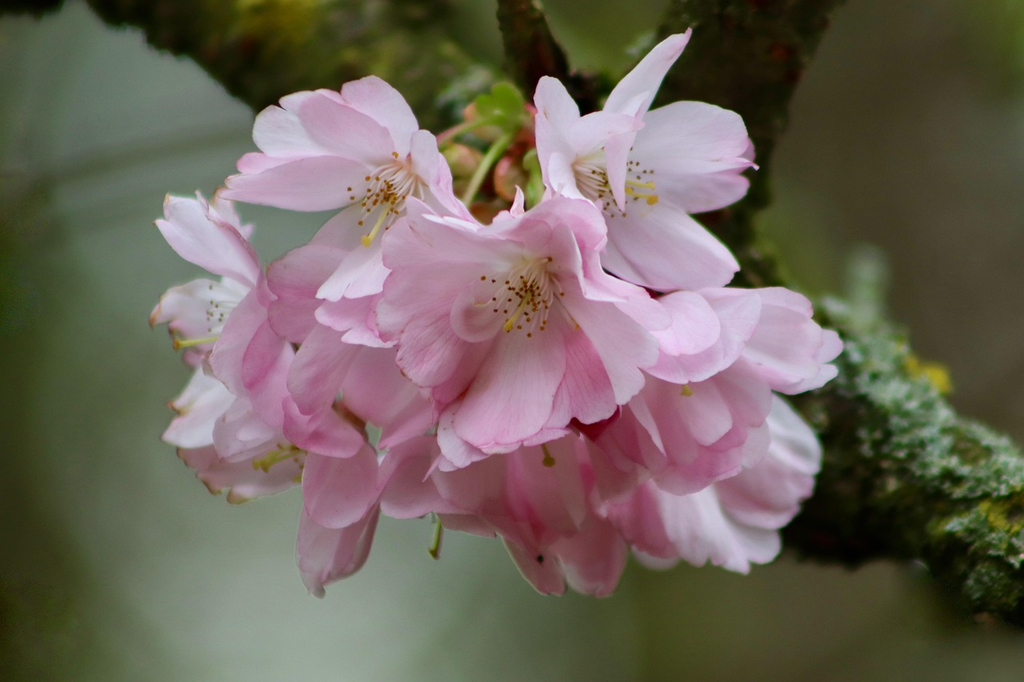
Cherry blossom symbolism during spring holidays represents renewal, beauty, and the fleeting nature of life. The delicate flowers bloom briefly, reminding people to appreciate the present moment. In many cultures, especially in Japan, cherry blossoms (sakura) are celebrated with festivals and gatherings, marking the arrival of spring and new beginnings. Their short-lived beauty encourages reflection on impermanence and the cyclical nature of life, making them powerful symbols during springtime celebrations.
Cherry Blossom Symbolism
Cherry blossom symbolism during spring holidays represents renewal, beauty, and the fleeting nature of life. The delicate flowers bloom briefly, reminding people to appreciate the present moment. In many cultures, especially in Japan, cherry blossoms (sakura) are celebrated with festivals and gatherings, marking the arrival of spring and new beginnings. Their short-lived beauty encourages reflection on impermanence and the cyclical nature of life, making them powerful symbols during springtime celebrations.
💡 Key Takeaways
- Understand why cherry blossoms symbolize fleeting beauty and the concept of mono no aware.
- Identify the meanings of sakura as renewal, spring, and the cycle of life and mortality.
- Explore the cultural significance of cherry blossoms in Japan, including hanami, poetry, and festivals.
- Recognize how cherry blossom symbolism appears in art, literature, and modern celebrations globally.
❓ Frequently Asked Questions
What do cherry blossoms symbolize in general?
They symbolize beauty, renewal, and the fleeting nature of life—an invitation to cherish the present.
What does sakura represent in Japanese culture?
In Japan, sakura embodies mono no aware (the awareness of impermanence) and marks spring, new beginnings, celebrated through hanami.
Why is hanami connected to cherry blossoms?
Hanami is the tradition of enjoying blossoms, celebrating beauty, renewal, and the cycles of nature.
What does falling petals imagery convey?
It highlights impermanence and the passing of time, encouraging appreciation of the present moment.
Are cherry blossoms linked to gender or other symbolic ideas?
Yes—often associated with feminine beauty and grace in East Asia, and with renewal, hope, and the fragile beauty of life.