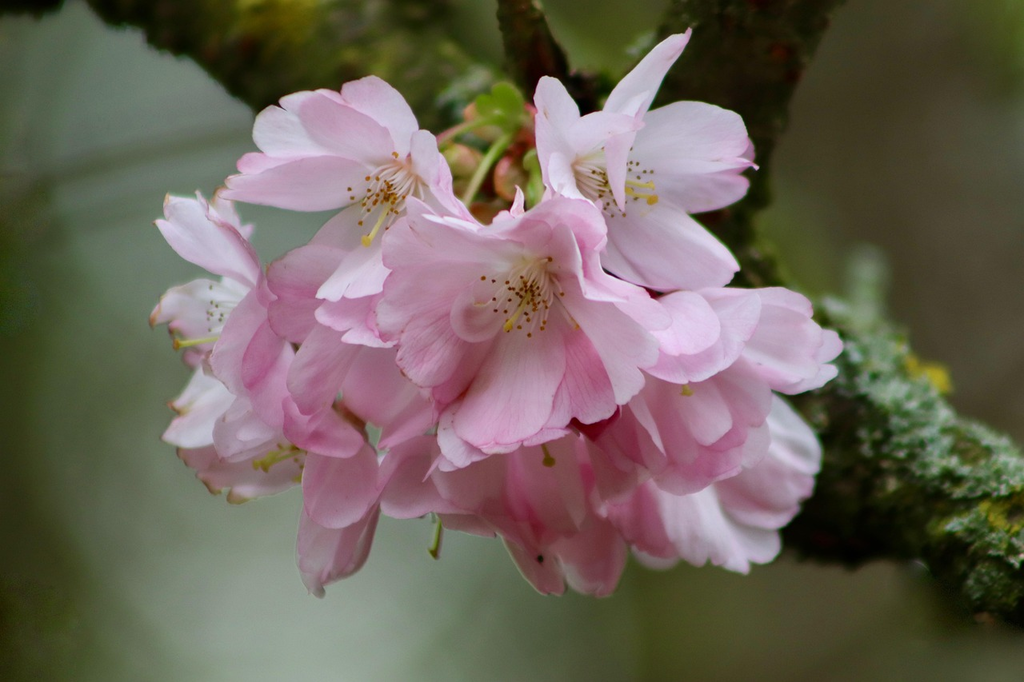
Cherry by-products refer to the materials left after processing cherries, such as skins, pits, and stems. These by-products are valuable for various uses, including natural food colorants, dietary fiber supplements, and antioxidant-rich extracts. In the context of fruit freshness, combining cherries with oranges can enhance flavor profiles in juices or preserves, while the by-products from both fruits can be utilized in animal feed, cosmetics, or as organic fertilizers, promoting sustainable waste management.
Cherry By-products and Their Uses
Cherry by-products refer to the materials left after processing cherries, such as skins, pits, and stems. These by-products are valuable for various uses, including natural food colorants, dietary fiber supplements, and antioxidant-rich extracts. In the context of fruit freshness, combining cherries with oranges can enhance flavor profiles in juices or preserves, while the by-products from both fruits can be utilized in animal feed, cosmetics, or as organic fertilizers, promoting sustainable waste management.

💡 Key Takeaways
- Identify the main cherry by-products (pits, skins, pomace, stems) and their potential value.
- Discover how cherry by-products can be turned into oils, fibers, flavors, and other usable ingredients.
- Learn basic processing methods to valorize cherry by-products, including extraction and drying considerations.
- Understand the sustainability and economic benefits of upcycling cherry waste in a circular economy.
❓ Frequently Asked Questions
What are the common by-products from cherry processing?
Common by-products include cherry pomace (pulp and skins), pits (stones), and liquid by-products from juice processing. They can be repurposed for food ingredients, animal feed, or industrial uses.
How can cherry pomace be used after juice extraction?
Cherry pomace can be used as animal feed, a source of dietary fiber and pectin, or processed into extracts and biofuel; it can also be composted.
What is cherry seed oil and what is it used for?
Cherry seed oil (from kernels) is used mainly in cosmetics and skincare as an emollient; it is not commonly used as a cooking oil.
Are there safety considerations with cherry by-products?
Yes. Seeds contain amygdalin, a cyanogenic compound; avoid chewing or crushing pits; follow safe handling and processing guidelines.