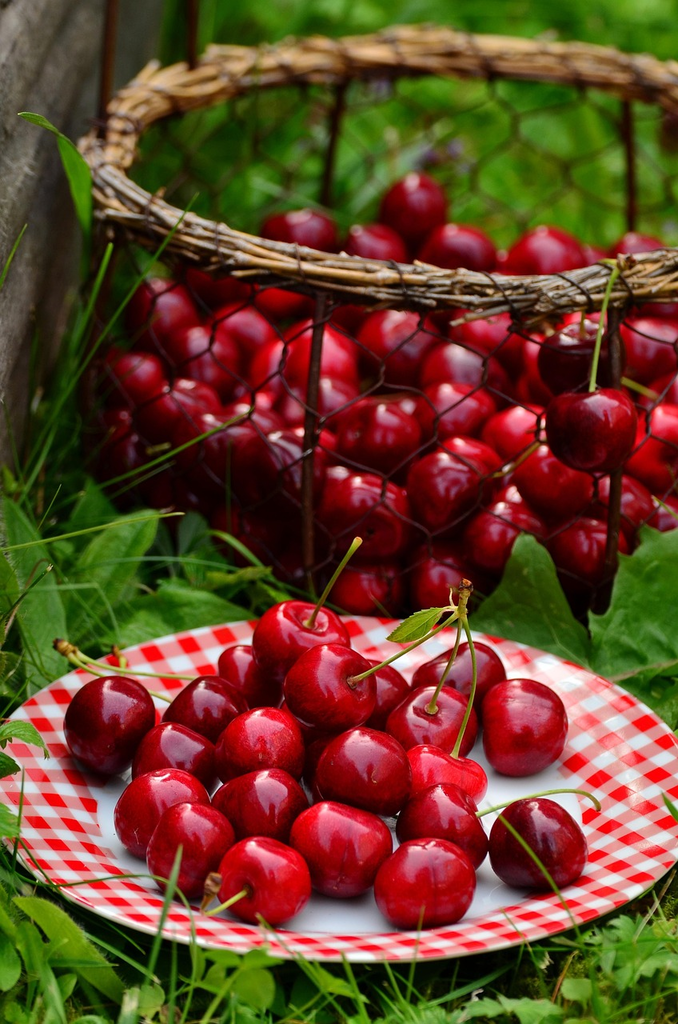
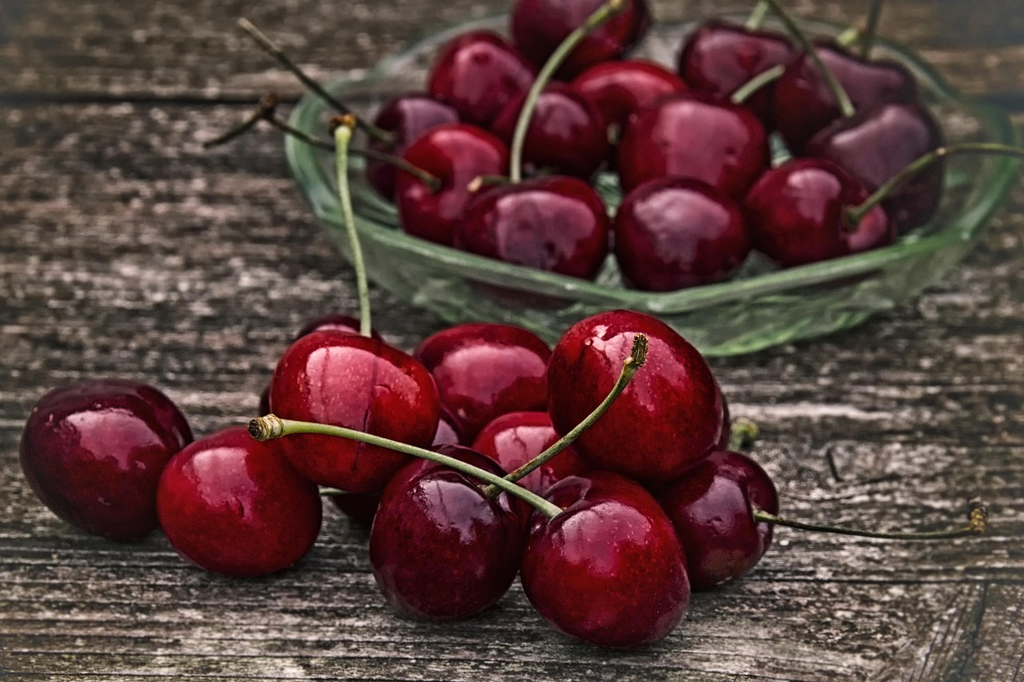
Cherry consumption patterns worldwide reveal regional preferences and availability, with fresh cherries being highly favored in North America, Europe, and parts of Asia during their peak seasons. While oranges remain a staple fruit consumed year-round due to their longer shelf life and broader cultivation, cherries are typically enjoyed fresh in limited seasonal windows. This seasonality, along with higher prices and shorter shelf life, makes cherries a more occasional treat compared to the more widely consumed oranges.
Cherry Consumption Patterns Worldwide
Cherry consumption patterns worldwide reveal regional preferences and availability, with fresh cherries being highly favored in North America, Europe, and parts of Asia during their peak seasons. While oranges remain a staple fruit consumed year-round due to their longer shelf life and broader cultivation, cherries are typically enjoyed fresh in limited seasonal windows. This seasonality, along with higher prices and shorter shelf life, makes cherries a more occasional treat compared to the more widely consumed oranges.

💡 Key Takeaways
- Understand the main factors shaping cherry consumption worldwide, including seasonality, price, accessibility, and variety preference.
- Compare regional consumption patterns in terms of preferred forms (fresh vs processed) and popular cherry varieties.
- Explore how cultural practices, holidays, and local cuisine influence cherry demand across different markets.
- Explain how production, supply chains, and seasonal availability affect global cherry consumption trends and pricing.
❓ Frequently Asked Questions
What factors influence global cherry consumption patterns?
Seasonality, price, and availability; consumer income and preferences; regional cuisines and uses (fresh, baking, processing); and supply chains and trade patterns.
Which regions are the largest consumers of cherries, and why?
Europe and North America are major consumers due to strong markets for fresh fruit and desserts, while Asia’s demand is growing with rising incomes and diverse culinary uses.
What are the main types of cherries consumed worldwide?
Sweet cherries (e.g., Bing, Rainier) are common for fresh consumption, while sour/tart cherries (e.g., Montmorency) are widely used in baking, jams, and processed products.
How does seasonality affect cherry consumption and prices?
Peak local seasons boost supply and lower prices; off-season demand relies on imports and processing, which can raise prices and influence availability.