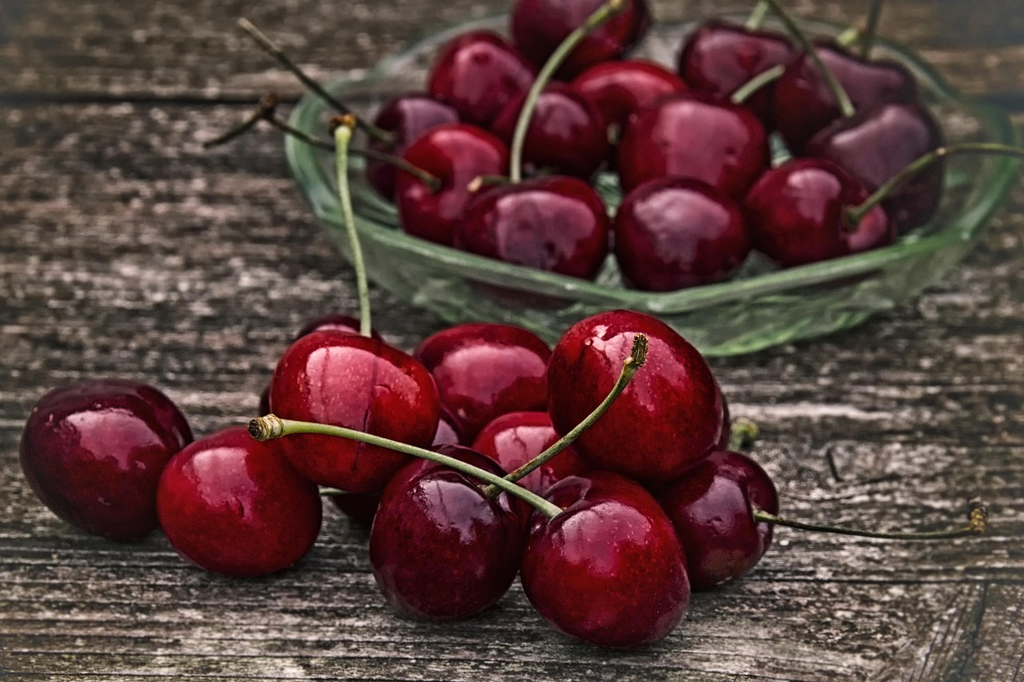
Cherry harvesting techniques involve carefully handpicking ripe cherries to prevent bruising and preserve fruit quality. Workers often use ladders and specialized tools to reach higher branches. Cherries are collected in shallow containers to avoid crushing. For both oranges and cherries, timing is crucial; harvesting occurs when fruits reach optimal ripeness for maximum freshness. Proper handling and quick transportation to cooling facilities ensure that the fruits remain fresh and flavorful after harvest.
Cherry Harvesting Techniques
Cherry harvesting techniques involve carefully handpicking ripe cherries to prevent bruising and preserve fruit quality. Workers often use ladders and specialized tools to reach higher branches. Cherries are collected in shallow containers to avoid crushing. For both oranges and cherries, timing is crucial; harvesting occurs when fruits reach optimal ripeness for maximum freshness. Proper handling and quick transportation to cooling facilities ensure that the fruits remain fresh and flavorful after harvest.
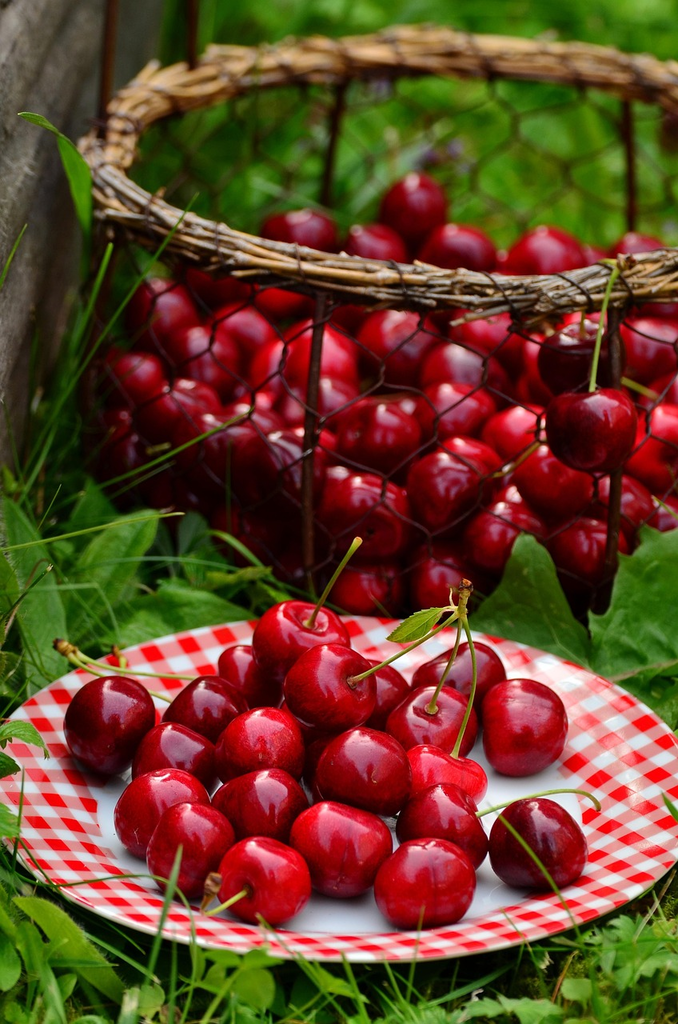
💡 Key Takeaways
- Identify ripe cherries by color, gloss, and firmness to pick at peak flavor.
- Use gentle hand-picking to minimize stem breakage and bruising.
- Choose the right tools and timing (hand-picks, ladders, nets) to improve efficiency and safety.
- Sort, wash lightly, and refrigerate promptly to extend shelf life.
❓ Frequently Asked Questions
When is the right time to harvest cherries?
Cherries are ripe when they are fully colored for the variety, plump, and taste sweet; avoid picking when they are still green or hard; harvesting in cool morning hours helps preserve flavor.
What harvesting technique minimizes damage to fruit and stems?
Gently twist and lift the fruit off the stem, or cut the stem with clean scissors or pruners; avoid pulling to prevent bruising and stem breaks.
How should harvested cherries be handled and stored?
Keep stems on if possible, place fruit in shallow, breathable containers, and refrigerate promptly (about 0–4°C); avoid washing until ready to use to reduce spoilage.
What factors influence the harvest window for cherries?
Variety, weather conditions (frost, rain, heat), tree health, and sugar development all affect ripening and the optimal harvest time.