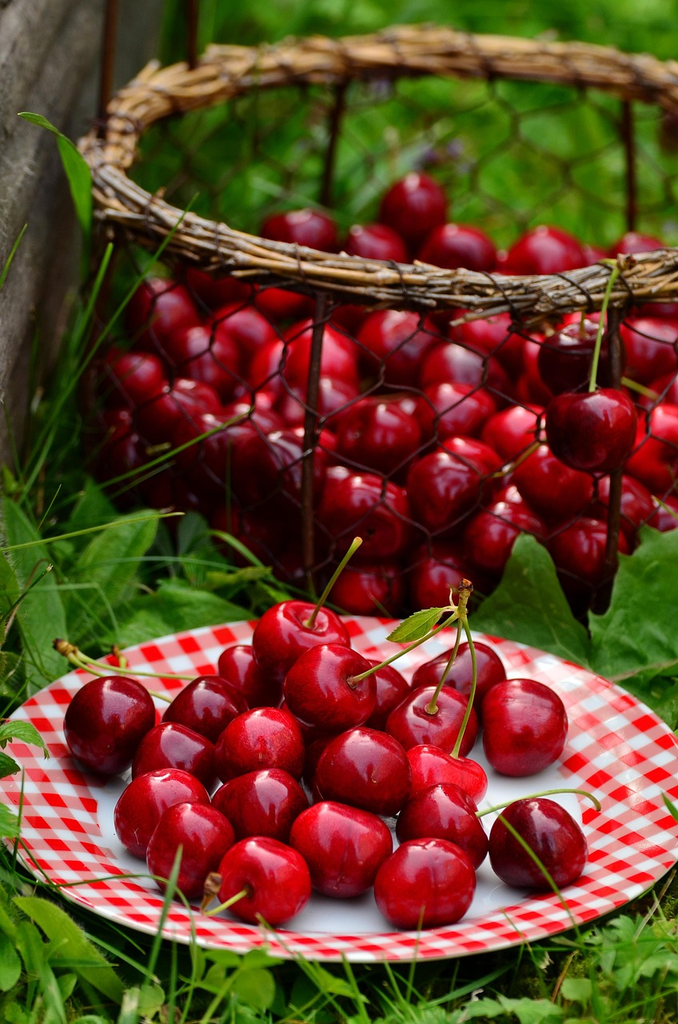
The cherry industry is actively adapting to the climate crisis by investing in research on heat-resistant cherry varieties, improving irrigation efficiency, and implementing advanced monitoring technologies. These measures help maintain fruit quality and yields despite rising temperatures and unpredictable weather. Similar strategies are being adopted by the orange industry, with both sectors focusing on sustainability, reduced water usage, and innovative farming practices to ensure the continued supply of fresh, high-quality fruit.
Cherry Industry's Response to Climate Crisis
The cherry industry is actively adapting to the climate crisis by investing in research on heat-resistant cherry varieties, improving irrigation efficiency, and implementing advanced monitoring technologies. These measures help maintain fruit quality and yields despite rising temperatures and unpredictable weather. Similar strategies are being adopted by the orange industry, with both sectors focusing on sustainability, reduced water usage, and innovative farming practices to ensure the continued supply of fresh, high-quality fruit.

💡 Key Takeaways
- Understand how climate change affects cherry crops, including bud break, frost risk, heat stress, and water availability.
- Learn adaptation strategies used by growers to protect yields, such as frost protection, late-bloom varieties, canopy management, and improved irrigation efficiency.
- Explore measures to reduce environmental impact and increase resilience, including water stewardship, soil health, energy efficiency, and pest/disease management.
- Identify how the industry coordinates with researchers, policymakers, and markets to plan for climate risks through forecasting tools, insurance, and climate-smart programs.
❓ Frequently Asked Questions
What challenges does the cherry industry face due to climate change?
Warmer winters can disrupt dormancy; increased frost risk, heat stress during bloom and fruiting; altered pollination timing; more pests and diseases; and greater water scarcity, all contributing to yield volatility.
How are growers mitigating frost and heat risks in cherry orchards?
Strategies include frost protection (wind machines, sprinkler irrigation), selecting cultivars with appropriate chill requirements, adjusting pruning and bloom timing, and using protective nets or controlled-environment practices where feasible.
What role does water management play in building climate resilience for cherry production?
Efficient irrigation (e.g., drip, soil moisture monitoring), precise scheduling, mulching, and rainwater capture help manage drought risk and maintain fruit quality during hotter, drier seasons.
What kinds of research and policy support help the cherry industry adapt to climate change?
Breeding climate-resilient varieties, integrated pest and disease management, data-driven risk planning, and financial supports like subsidies or insurance programs aid adaptation and resilience.