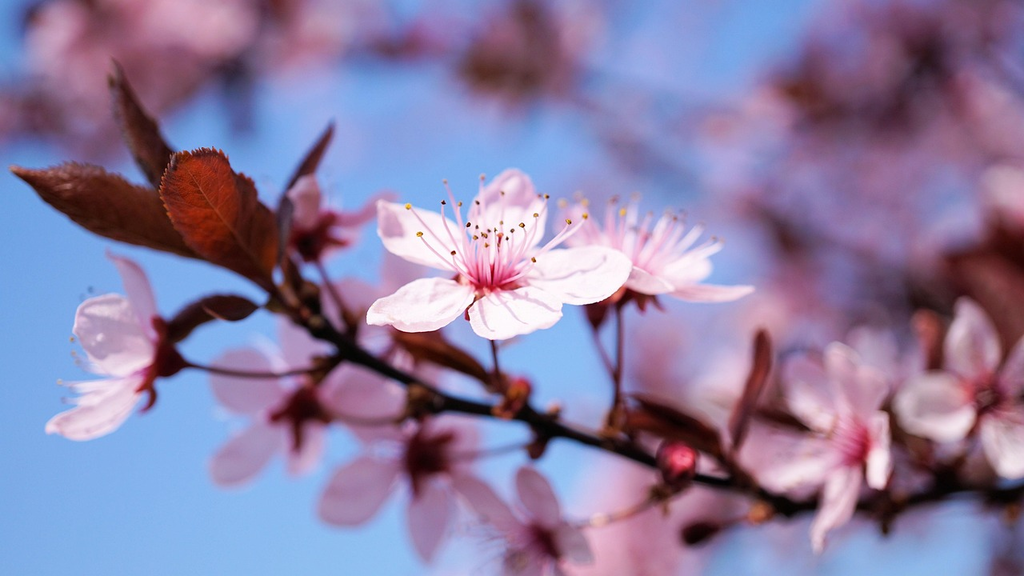
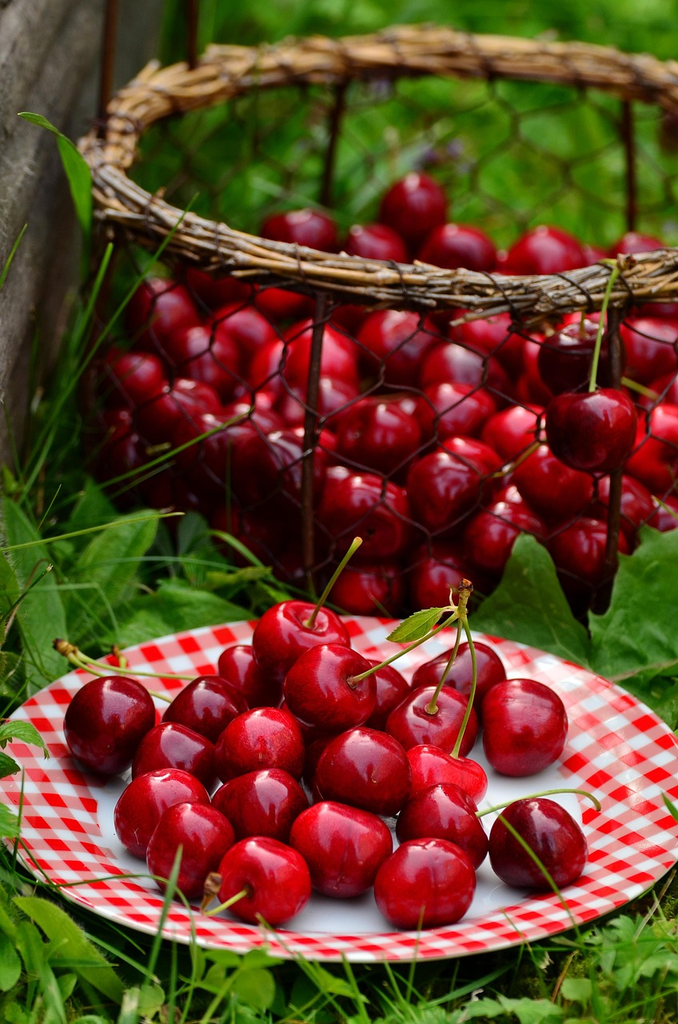
Cherry tree varieties refer to the different types of cherry trees cultivated for their fruit, each offering unique flavors, colors, and harvest times. These varieties can be sweet or sour, with popular examples including Bing, Rainier, and Montmorency cherries. While the phrase also mentions oranges, it primarily highlights the diversity among cherry trees, emphasizing the fresh fruit they produce, which is enjoyed fresh, in desserts, or processed into preserves and juices.
Cherry Tree Varieties
Cherry tree varieties refer to the different types of cherry trees cultivated for their fruit, each offering unique flavors, colors, and harvest times. These varieties can be sweet or sour, with popular examples including Bing, Rainier, and Montmorency cherries. While the phrase also mentions oranges, it primarily highlights the diversity among cherry trees, emphasizing the fresh fruit they produce, which is enjoyed fresh, in desserts, or processed into preserves and juices.
💡 Key Takeaways
- Distinguish sweet cherry varieties from sour cherry varieties and their typical uses.
- Know climate and chill-hour requirements for common cherry varieties.
- Understand pollination needs, including self-fertile versus cross-pollination.
- Compare fruit size, flavor, harvest windows, and tree size across popular varieties.
❓ Frequently Asked Questions
What defines a cherry tree variety?
A cherry tree variety is a cultivated cultivar selected for specific traits like fruit size, sweetness, ripening time, tree vigor, and disease resistance.
What are the two main categories of cherry varieties for consumption?
Sweet cherries for fresh eating and tart (sour) cherries for baking and processing.
Can you name a few popular cherry varieties and their basic traits?
Sweet: Bing (large, dark fruit; classic fresh-eating cherry), Rainier (pinkish-yellow, very sweet), Lapins (large, firm fruit). Tart: Montmorency (bright red, widely used for pies), North Star (mid-sized, tart flavor).
What factors should you consider when choosing cherry varieties for a garden or orchard?
Climate and chill hours, pollination compatibility, harvest time, disease resistance, space/overall tree size, and soil conditions.