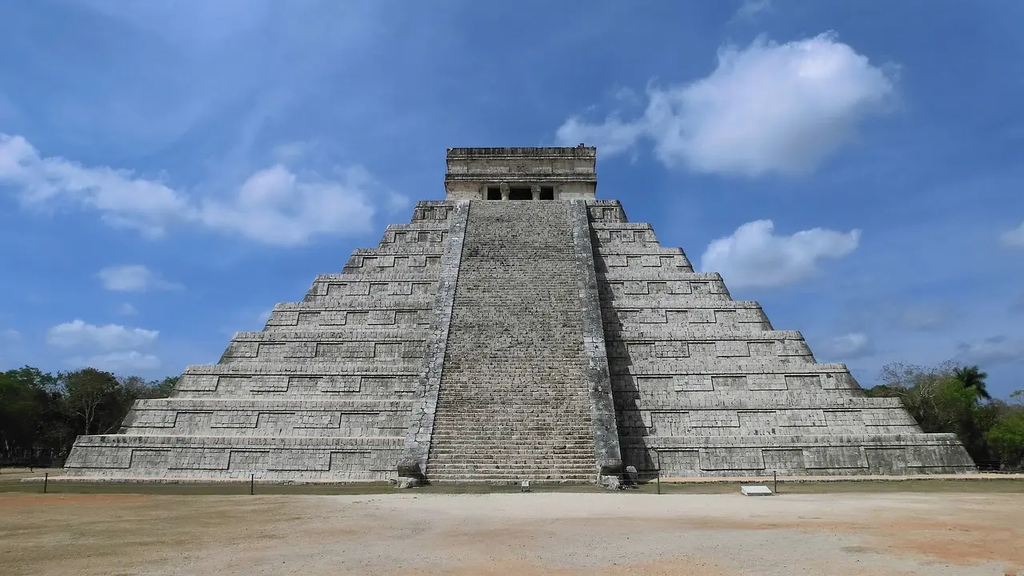
Chichen Itza is a renowned archaeological site located in Mexico’s Yucatán Peninsula. Once a thriving city of the ancient Maya civilization, it is famous for its impressive pyramid, El Castillo, also known as the Temple of Kukulcán. The site features intricate stone carvings, temples, and observatories, reflecting the Maya’s advanced knowledge of astronomy and architecture. Today, Chichen Itza is a UNESCO World Heritage Site and one of the New Seven Wonders of the World, attracting millions of visitors annually.
Chichen Itza
Chichen Itza is a renowned archaeological site located in Mexico’s Yucatán Peninsula. Once a thriving city of the ancient Maya civilization, it is famous for its impressive pyramid, El Castillo, also known as the Temple of Kukulcán. The site features intricate stone carvings, temples, and observatories, reflecting the Maya’s advanced knowledge of astronomy and architecture. Today, Chichen Itza is a UNESCO World Heritage Site and one of the New Seven Wonders of the World, attracting millions of visitors annually.
💡 Key Takeaways
- Identify where Chichen Itza is located and when it flourished in Maya history.
- Explain the key structures at the site (El Castillo, Temple of the Warriors, Great Ball Court) and their purposes.
- Understand the astronomical significance of El Castillo and other alignments observed at the site.
- Describe the cultural and scientific achievements reflected at Chichen Itza, including architecture and astronomy.
❓ Frequently Asked Questions
Where is Chichen Itza located?
Chichen Itza is in the Yucatán Peninsula of Mexico, in Yucatán state, near Pisté, about 120 km east of Mérida.
What is El Castillo (Temple of Kukulkan) and why is it famous?
El Castillo is a stepped pyramid at the center of Chichen Itza. It demonstrates Maya architecture and astronomy, and during the equinoxes the sun casts a shadow that resembles a serpent along the stairs.
What is the Sacred Cenote and its significance?
The Sacred Cenote is a natural sinkhole used by the Maya for ceremonial offerings. Artifacts and human remains recovered there highlight its religious importance.
When was Chichen Itza most active, and what was its role?
Chichen Itza flourished roughly from 750 to 1200 CE as a major Maya and later Toltec-influenced city, serving as a political, religious, and commercial center.