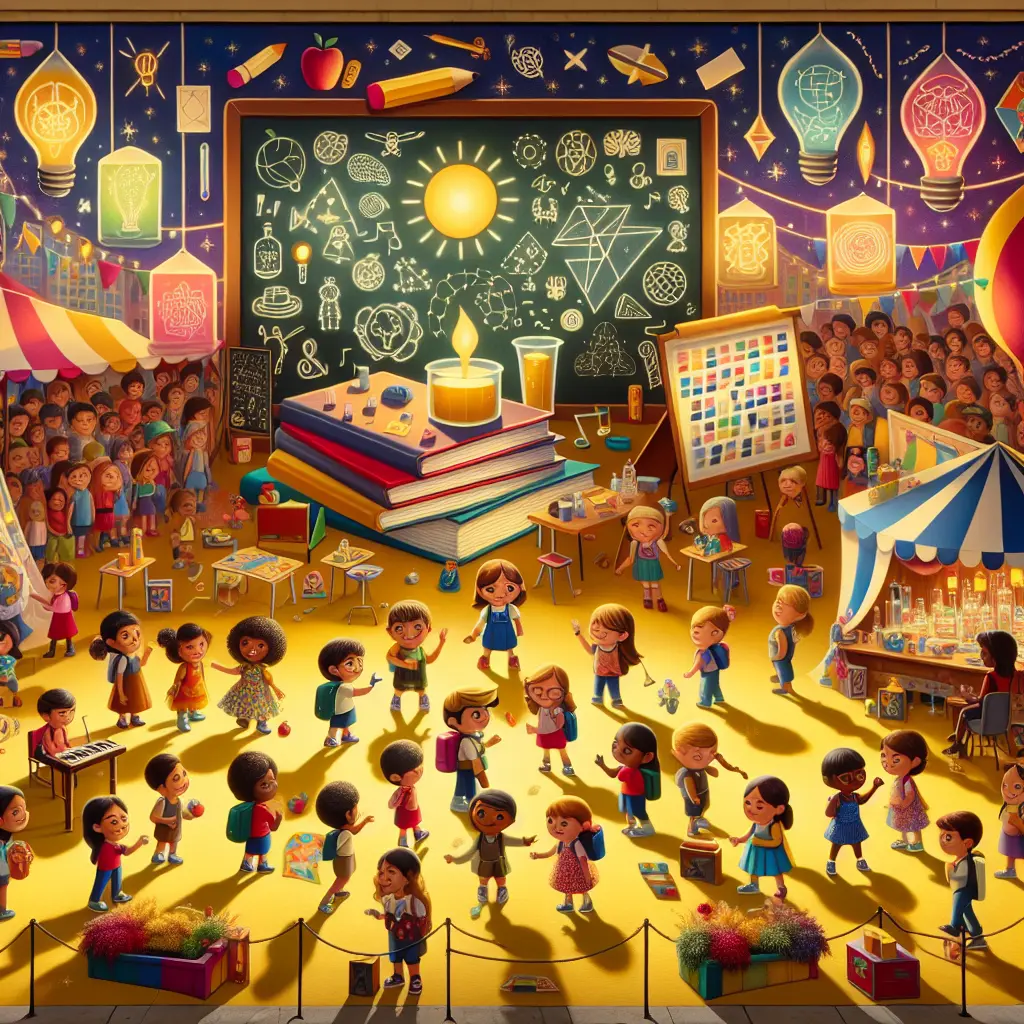
Children’s festivals and educational traditions are special events and practices dedicated to celebrating childhood and fostering learning. These occasions often include cultural performances, games, storytelling, and creative activities that encourage social interaction and personal growth. Educational traditions may involve rituals or ceremonies marking academic milestones, promoting values such as curiosity, respect, and cooperation. Together, these experiences help shape children’s identities, strengthen community bonds, and support their intellectual and emotional development.
Children’s Festivals & Educational Traditions
Children’s festivals and educational traditions are special events and practices dedicated to celebrating childhood and fostering learning. These occasions often include cultural performances, games, storytelling, and creative activities that encourage social interaction and personal growth. Educational traditions may involve rituals or ceremonies marking academic milestones, promoting values such as curiosity, respect, and cooperation. Together, these experiences help shape children’s identities, strengthen community bonds, and support their intellectual and emotional development.
💡 Key Takeaways
- Understand how children's festivals celebrate culture and support learning in playful settings.
- Identify common activities at these events (performances, games, storytelling, crafts) and how they engage kids.
- Explain how educational traditions foster social interaction, collaboration, creativity, and personal growth.
- Recognize inclusive and accessible design considerations to make festivals welcoming for all children.
❓ Frequently Asked Questions
What are children's festivals and educational traditions?
They are events and practices that celebrate childhood and learning, blending culture, play, and education to support growth.
What activities are commonly included in these events?
Cultural performances, games, storytelling, crafts, science demonstrations, and other interactive activities that encourage participation and social interaction.
Why are these events beneficial for learning?
They develop social skills, creativity, curiosity, teamwork, and help connect classroom topics to real-world experiences.
How can families or schools organize or participate in them?
Plan inclusive activities, invite community groups, set up stations for performances, crafts, or storytelling, and ensure accessibility and safety.