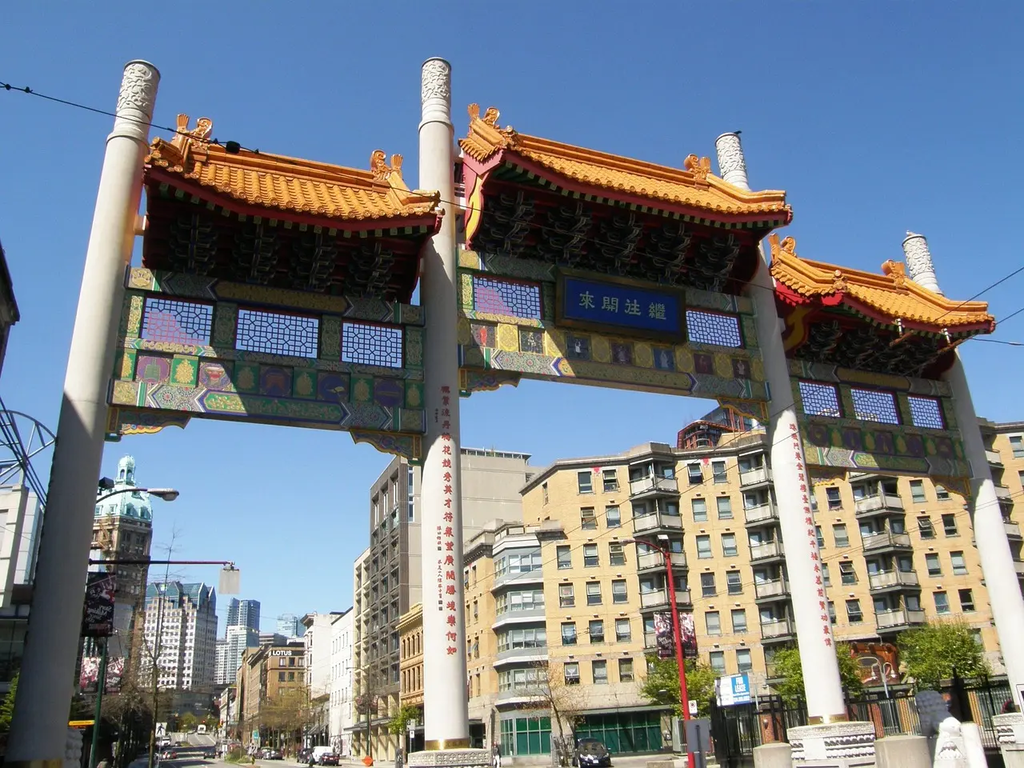
Chinatowns serve as vibrant gateways for immigrants, offering a sense of community and familiarity in new countries. They function as cultural landmarks, preserving and showcasing Chinese traditions, cuisine, festivals, and architecture. These neighborhoods foster cross-cultural exchange, attract tourists, and contribute to the multicultural fabric of cities. Chinatowns symbolize both the challenges and successes of immigrant adaptation while proudly maintaining cultural heritage and identity across generations.
Chinatowns as Gateways and Cultural Landmarks
Chinatowns serve as vibrant gateways for immigrants, offering a sense of community and familiarity in new countries. They function as cultural landmarks, preserving and showcasing Chinese traditions, cuisine, festivals, and architecture. These neighborhoods foster cross-cultural exchange, attract tourists, and contribute to the multicultural fabric of cities. Chinatowns symbolize both the challenges and successes of immigrant adaptation while proudly maintaining cultural heritage and identity across generations.
💡 Key Takeaways
- Explain how Chinatowns act as gateways for immigrants by offering community networks, resources, and a sense of belonging in a new country.
- Recognize Chinatowns as cultural landmarks that preserve and showcase Chinese traditions, cuisine, festivals, and distinctive architecture.
- Describe how these neighborhoods foster cross-cultural exchange and influence local economies, arts, and daily life in their cities.
- Identify common features of Chinatowns—authentic eateries, markets, temples, lanterns, and festival celebrations—that embody Chinese heritage in the American urban landscape.
❓ Frequently Asked Questions
What is a Chinatown and how does it serve as a gateway for immigrants?
Chinatowns are neighborhoods where Chinese communities maintain language, businesses, and social networks. They provide familiar goods and services, support networks, and a bridge to life in a new country.
How do Chinatowns function as cultural landmarks in American cities?
They preserve and showcase Chinese traditions, cuisine, festivals, temples, and distinctive architecture, making them recognizable symbols of Chinese heritage within the urban landscape.
What kinds of traditions and celebrations are commonly found in Chinatowns?
Common features include Chinese New Year parades, dragon dances, lantern festivals, temple rituals, traditional foods, and shops selling cultural crafts.
In what ways do Chinatowns promote cross-cultural exchange and attract visitors?
They invite locals and travelers to experience Chinese culture through food, markets, festivals, architecture, and language, fostering mutual understanding.