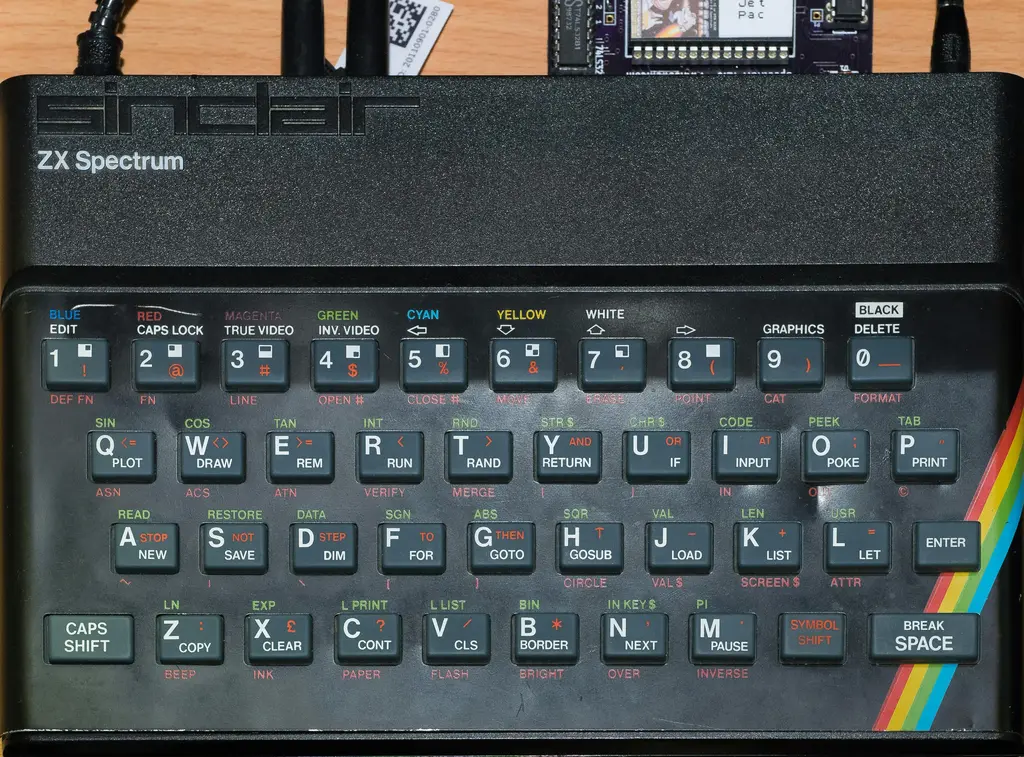
Chiptune composition is the creation of music using the sound chips found in vintage computers, video game consoles, and arcade machines. These sound chips produce distinctive, synthesized tones and simple waveforms, giving chiptune its signature retro, electronic sound. Composers often work within technical limitations, using limited channels and memory, which encourages creative melodies and rhythms. Chiptune celebrates nostalgia and technical artistry, blending music with digital history.
Chiptune Composition & Sound Chips
Chiptune composition is the creation of music using the sound chips found in vintage computers, video game consoles, and arcade machines. These sound chips produce distinctive, synthesized tones and simple waveforms, giving chiptune its signature retro, electronic sound. Composers often work within technical limitations, using limited channels and memory, which encourages creative melodies and rhythms. Chiptune celebrates nostalgia and technical artistry, blending music with digital history.
💡 Key Takeaways
- Identify key retro sound chips used in classic systems (e.g., NES APU, Game Boy, SID, YM2612) and what makes their tones distinctive.
- Understand common chiptune timbres by learning waveforms: square/pulse, triangle, sawtooth, and noise, plus basic envelope shaping.
- Learn composition techniques that work within hardware limits (arpeggios, fast note sequences, limited polyphony) to evoke authentic retro grooves.
- Explore practical workflows for creating chiptune today (trackers, emulators, and chip-emulation plugins) to reproduce vintage textures.
❓ Frequently Asked Questions
What is chiptune composition?
Chiptune composition is music created using the sound chips built into vintage computers, consoles, and arcade machines. It relies on distinctive synthesized tones and simple waveforms, often embracing hardware limitations to shape rhythm, melody, and texture.
What are the main types of sound chips and how do they shape the sound?
Programmable sound generator (PSG) chips produce basic waveforms like square, triangle, and noise. FM synthesis chips create richer timbres by using operator-based synthesis. Some chips also support PCM or short sample playback for percussion or vocal elements. Each type contributes a characteristic retro timbre.
What tools or trackers are popular for creating chiptune music?
Popular options include Famitracker (NES), Deflemask (multi-system chip support), MilkyTracker, SunVox, and OpenMPT. Many composers also use general DAWs with chip-inspired plugins or export formats tailored to specific hardware.
Why does chiptune have a distinctive retro sound?
Classic hardware limits you to a small number of audio channels, fixed waveforms, and simple envelopes. These constraints, along with hardware quirks, create the crisp, punchy, nostalgic timbres that define chiptune.