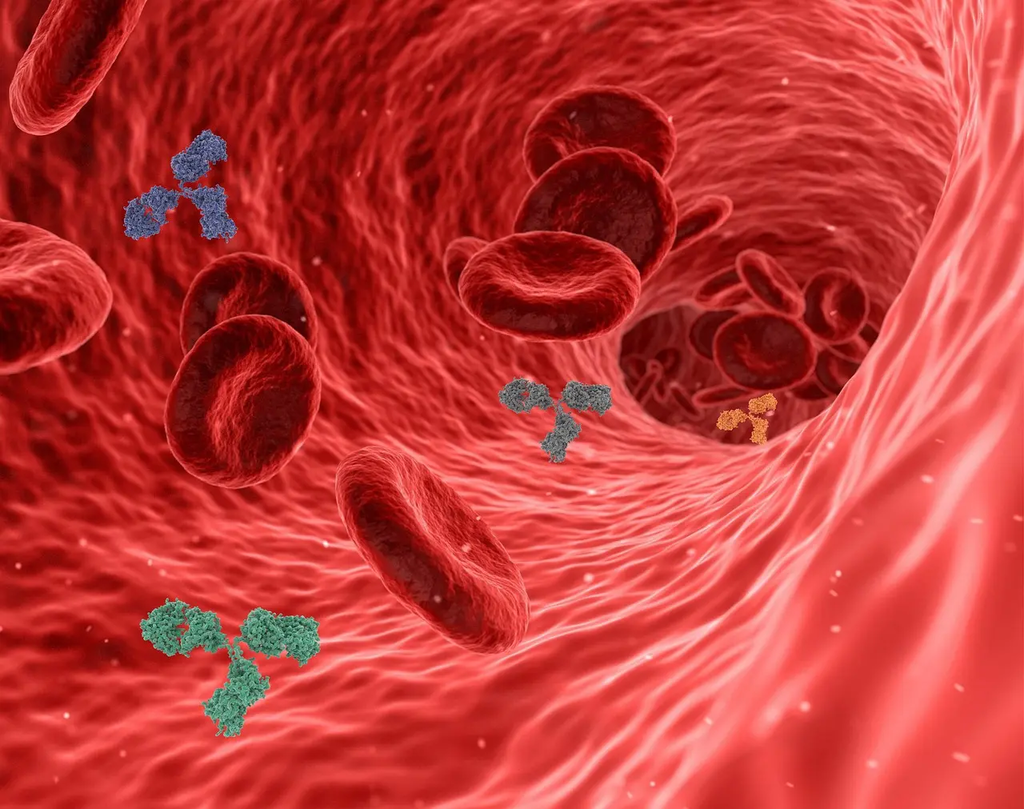
Chronic Kidney Disease (CKD) is a long-term condition where the kidneys gradually lose their ability to filter waste and excess fluids from the blood. Over time, this reduced function can lead to a buildup of toxins in the body, causing symptoms like fatigue, swelling, and high blood pressure. CKD often develops slowly and may not show symptoms until significant kidney damage has occurred, making early detection and management important.
Chronic Kidney Disease
Chronic Kidney Disease (CKD) is a long-term condition where the kidneys gradually lose their ability to filter waste and excess fluids from the blood. Over time, this reduced function can lead to a buildup of toxins in the body, causing symptoms like fatigue, swelling, and high blood pressure. CKD often develops slowly and may not show symptoms until significant kidney damage has occurred, making early detection and management important.
💡 Key Takeaways
- Define chronic kidney disease and how it differs from acute kidney problems.
- Identify common risk factors and early warning signs of CKD.
- Understand CKD staging (Stages 1-5) and how stage influences care.
- Learn key management strategies: blood pressure control, medications, and dietary adjustments.
- Recognize treatment options for advanced CKD, including dialysis and kidney transplantation.
❓ Frequently Asked Questions
What is chronic kidney disease (CKD)?
CKD is a gradual loss of kidney function over months or years. It is typically defined by a persistently low eGFR or ongoing signs of kidney damage (like protein in urine) for at least 3 months.
What are the main risk factors for CKD?
The top risk factors are diabetes and high blood pressure. Other factors include smoking, older age, family history, obesity, heart disease, certain kidney diseases, and long-term NSAID use.
How is CKD diagnosed?
Diagnosis usually involves a blood test to measure eGFR and a urine test for protein (albumin). Imaging or a kidney biopsy may be used in some cases. CKD is suspected when eGFR is reduced or albuminuria persists for 3 months.
How can CKD be managed or prevented?
Control blood pressure and blood sugar, eat a kidney-friendly diet (often lower salt and moderate protein), avoid NSAIDs, stay hydrated, and have regular medical follow-ups. Some medicines (like ACE inhibitors or ARBs) protect kidney function; advanced CKD may require dialysis or transplant.