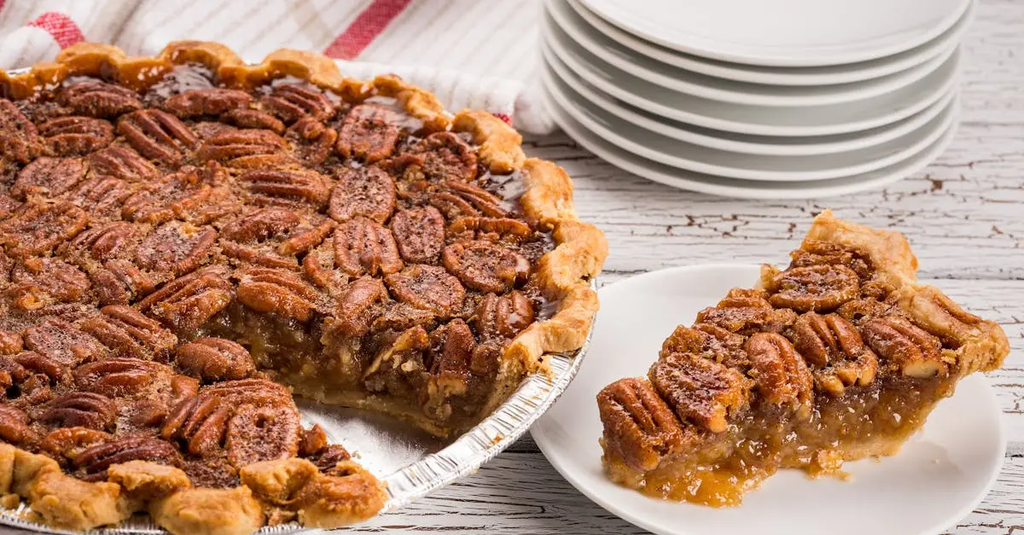
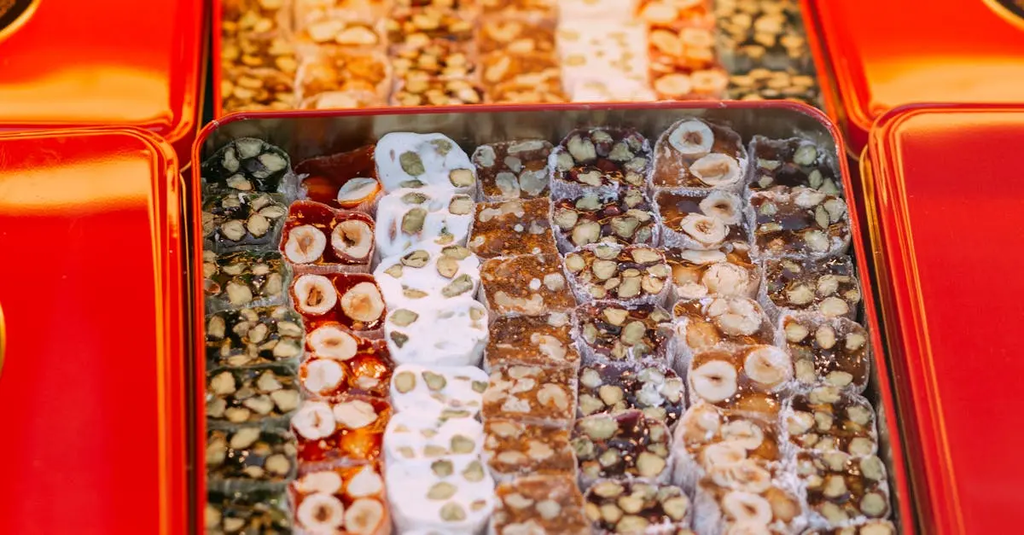
Church suppers, potlucks, and community cookery refer to gatherings where members of a community come together to share homemade food. These events foster social connections, encourage sharing, and celebrate local traditions. Each participant often brings a dish to share, creating a diverse spread. Such gatherings are common in many cultures, especially in rural or small-town settings, and serve as important occasions for fellowship, support, and communal bonding.
Church suppers, potlucks, and community cookery
Church suppers, potlucks, and community cookery refer to gatherings where members of a community come together to share homemade food. These events foster social connections, encourage sharing, and celebrate local traditions. Each participant often brings a dish to share, creating a diverse spread. Such gatherings are common in many cultures, especially in rural or small-town settings, and serve as important occasions for fellowship, support, and communal bonding.

💡 Key Takeaways
- Understand the role of church suppers and potlucks in American community life and culinary history
- Identify common dishes and regional influences that appear at potlucks
- See how these gatherings foster social ties, sharing, and local traditions
- Learn how potlucks are planned to accommodate many participants and dietary needs
❓ Frequently Asked Questions
What is a church supper?
A community meal hosted by a church where attendees bring dishes to share, intended to foster fellowship and celebrate local cooking traditions.
What is a potluck?
A gathering where guests bring one dish to share with everyone, creating a diverse spread that reflects local tastes and communal generosity.
Why are church suppers and potlucks important in American culinary history?
They illustrate how communities cook and eat together, preserve regional recipes, and transmit food practices through social and religious networks using locally available ingredients.
How are potlucks typically organized?
Participants sign up for course categories (main, side, dessert), label ingredients for allergies, bring serving utensils, and follow basic food-safety practices (keep hot foods hot, cold foods cold).