Cinematography & Techniques refers to the art and craft of capturing visual images for film or video. It encompasses camera work, lighting, shot composition, movement, lens choices, and color grading. These techniques shape the mood, atmosphere, and storytelling of a production, influencing how audiences perceive and emotionally connect with the narrative. Skilled cinematographers use these tools creatively to enhance visual storytelling and evoke specific responses from viewers.
Cinematography & Techniques+50
Cinematography & Techniques refers to the art and craft of capturing visual images for film or video. It encompasses camera work, lighting, shot composition, movement, lens choices, and color grading. These techniques shape the mood, atmosphere, and storytelling of a production, influencing how audiences perceive and emotionally connect with the narrative. Skilled cinematographers use these tools creatively to enhance visual storytelling and evoke specific responses from viewers.
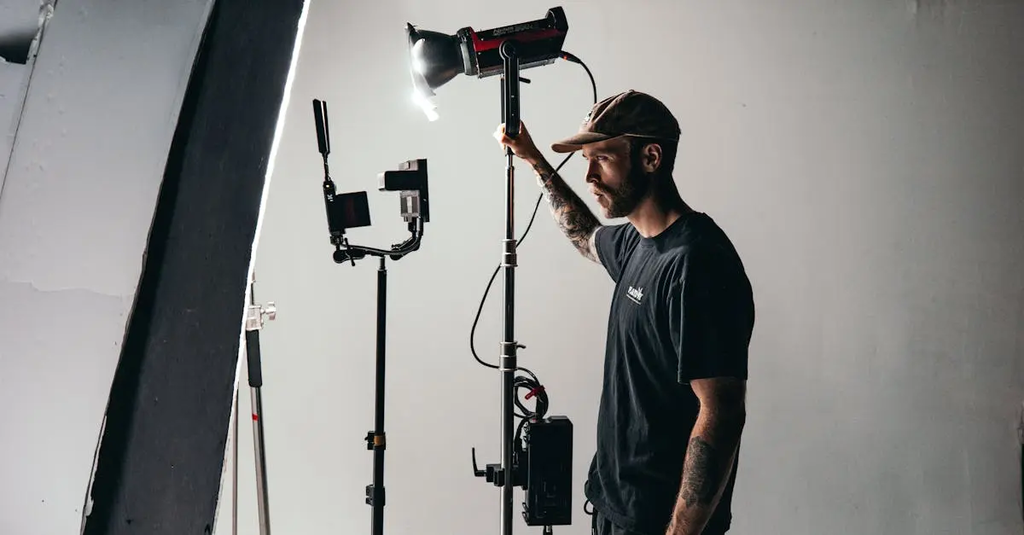
💡 Key Takeaways
- Understand how lighting sets mood, texture, and color in a scene.
- Recognize how shot choices (wide, medium, close-up) convey information and emotion.
- Explain how camera movement (pan, tilt, tracking) shapes pacing and storytelling.
- Describe how lens choices (focal length, depth of field) affect perspective and look.
- Explain how color grading influences tone, atmosphere, and visual consistency.
❓ Frequently Asked Questions
What is cinematography?
Cinematography is the craft of capturing moving images for film or video, including camera setup, lighting, shot composition, movement, lens choice, and color grading.
How does lighting influence mood and storytelling?
Lighting sets mood, reveals texture, and guides audience focus. Through intensity, direction, color temperature, and shadows, it supports emotion and clarity in a scene.
Why is shot composition and framing important?
Composition directs what viewers notice and how characters relate to their world, using framing, the rule of thirds, headroom, balance, and perspective to convey meaning.
What are common camera movements and how do lenses affect the image?
Movements like pan, tilt, dolly/track, and handheld add motion and space. Lens choices (wide, standard, telephoto) alter field of view and depth of field, shaping perspective and mood.