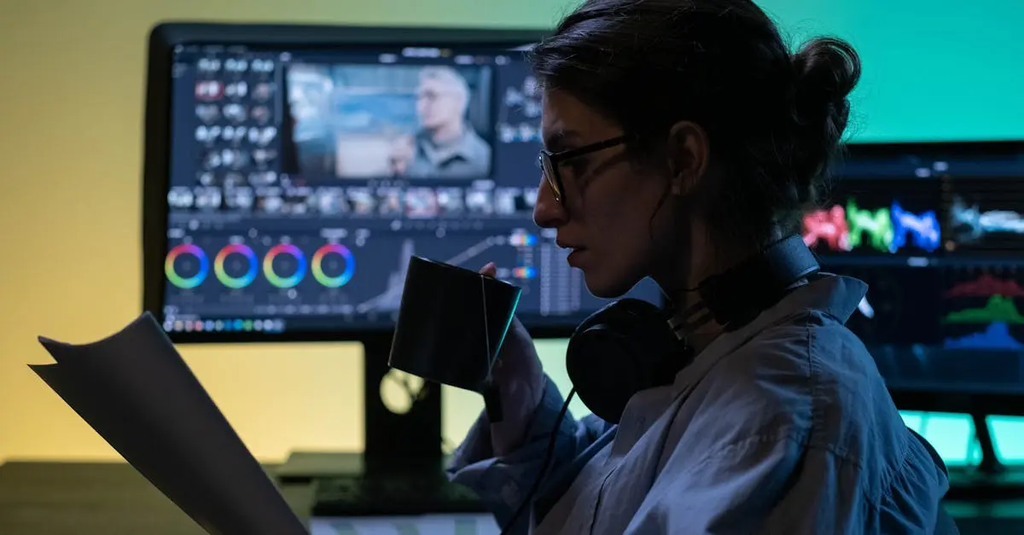
Cinematography basics refer to the fundamental techniques and principles used in capturing visual images for film or video. This includes understanding camera angles, shot composition, lighting, movement, and framing. Mastery of these elements helps convey mood, emotion, and narrative. Cinematographers also consider lens choices, depth of field, and color grading to enhance storytelling. Overall, these basics form the foundation for creating visually compelling and effective cinematic experiences.
Cinematography Basics
Cinematography basics refer to the fundamental techniques and principles used in capturing visual images for film or video. This includes understanding camera angles, shot composition, lighting, movement, and framing. Mastery of these elements helps convey mood, emotion, and narrative. Cinematographers also consider lens choices, depth of field, and color grading to enhance storytelling. Overall, these basics form the foundation for creating visually compelling and effective cinematic experiences.
💡 Key Takeaways
- Explain how camera angles (high, low, eye-level) shape character perception and mood.
- Identify common shot types (wide, medium, close-up) and how framing guides storytelling.
- Describe lighting fundamentals (key light, fill, backlight) and their effect on mood, texture, and depth.
- Understand basic camera movements (pan, tilt, dolly/track, handheld) and when to use them to convey momentum.
- Apply simple composition rules (rule of thirds, headroom, lead room) to create clear, visually balanced frames.
❓ Frequently Asked Questions
What is cinematography?
Cinematography is the craft of capturing visual images for film or video, combining camera work, lighting, framing, and movement to support the story.
What is shot composition and the rule of thirds?
Shot composition is arranging elements in the frame. The rule of thirds places key subjects along imaginary lines and at their intersections to create balance and visual interest.
How do camera angles influence mood or meaning?
Angles affect perception: low angles can make subjects seem powerful; high angles can imply vulnerability; eye level feels neutral; tilted (Dutch) angles can create tension.
What is camera movement and why is it used?
Camera movement includes pan, tilt, dolly, tracking, and handheld shots. It guides focus, reveals space, and matches the scene's rhythm.
What role does lighting play in cinematography?
Lighting shapes mood, depth, texture, and emphasis. Techniques like three-point lighting and color temperature help convey time, location, and emotion.