Cinematography in television refers to the art and technique of capturing visual images for TV shows. It involves choices about camera angles, lighting, composition, and movement to create mood, enhance storytelling, and evoke emotions. Unlike film, television cinematography often adapts to tighter schedules and budgets, but recent advancements have elevated its quality, making TV visuals more cinematic and immersive, significantly contributing to a show's overall aesthetic and narrative impact.
Cinematography in Television
Cinematography in television refers to the art and technique of capturing visual images for TV shows. It involves choices about camera angles, lighting, composition, and movement to create mood, enhance storytelling, and evoke emotions. Unlike film, television cinematography often adapts to tighter schedules and budgets, but recent advancements have elevated its quality, making TV visuals more cinematic and immersive, significantly contributing to a show's overall aesthetic and narrative impact.
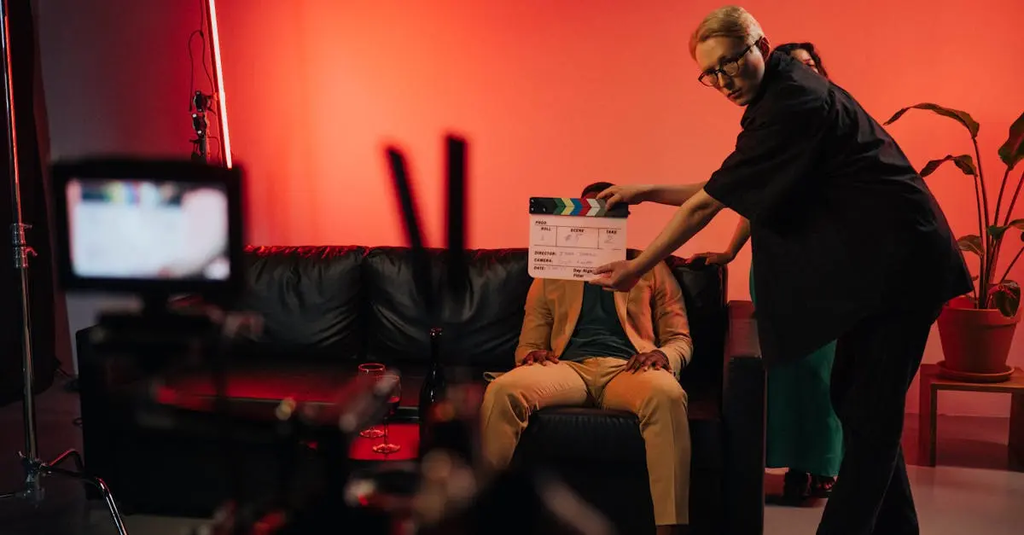
💡 Key Takeaways
- Understand how camera angles, framing, and movement shape mood and storytelling in TV shows.
- Explain how lighting, color, and shadow convey emotion and genre in television cinematography.
- Compare single-camera and multi-camera setups and their impact on shot selection and pacing.
- Recognize how tighter production schedules and budgets influence cinematography decisions and continuity in TV production.
- Learn how shot size, composition, and camera movement support narrative pacing across episodes.
❓ Frequently Asked Questions
What is cinematography in television?
Cinematography in TV is the art and technique of capturing visual images for shows, including camera work, lighting, composition, and movement that shape mood and storytelling.
How do camera angles, lighting, and movement influence a TV show's storytelling?
They guide viewer attention, convey emotions, and help tell the story by shaping how characters and actions are perceived.
How does television cinematography differ from film?
TV often works under tighter production schedules and budgets, favoring efficient setups and a consistent visual language, while film may have more time for elaborate lighting and longer takes.
What elements of cinematography are commonly used in TV to evoke emotions?
Camera angles, shot composition, lighting, and camera movement work together to create mood and enhance storytelling.