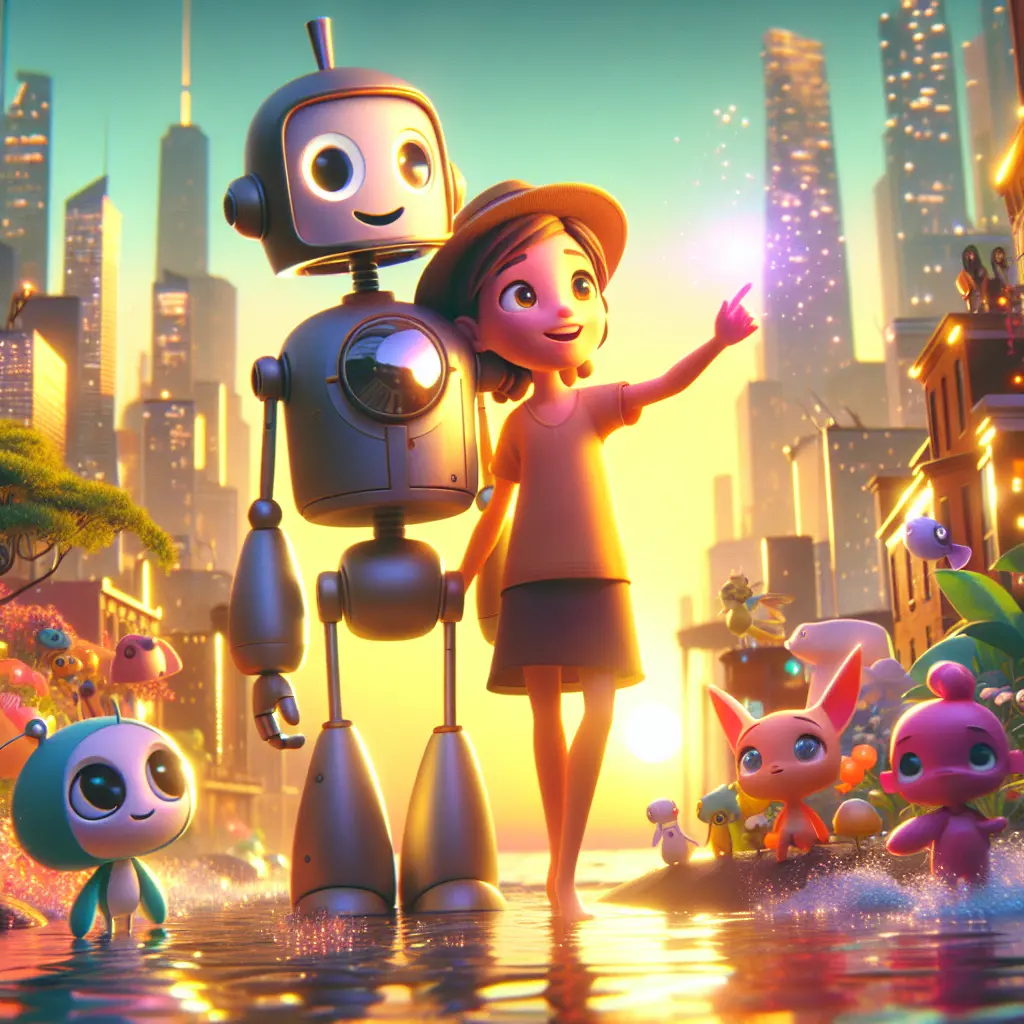
Cinematography language in animation refers to the visual techniques and storytelling methods borrowed from live-action filmmaking, such as camera angles, movement, framing, lighting, and composition. These elements guide the viewer's attention, convey emotion, and enhance narrative impact. In animation, cinematography is crafted during the planning and drawing stages, allowing for imaginative perspectives and dynamic shots that might be difficult or impossible to achieve with real cameras, enriching the storytelling experience.
Cinematography Language in Animation
Cinematography language in animation refers to the visual techniques and storytelling methods borrowed from live-action filmmaking, such as camera angles, movement, framing, lighting, and composition. These elements guide the viewer's attention, convey emotion, and enhance narrative impact. In animation, cinematography is crafted during the planning and drawing stages, allowing for imaginative perspectives and dynamic shots that might be difficult or impossible to achieve with real cameras, enriching the storytelling experience.
💡 Key Takeaways
- Explain how camera angles, framing, and composition guide attention and convey emotion in Disney/Pixar scenes.
- Describe how lighting, color, and shadows set mood and reinforce storytelling in animation.
- Identify common shot techniques and camera movements used in Disney/Pixar sequences (e.g., dolly moves, pans) and their narrative purposes.
- Analyze how depth, perspective, and shot scale (wide/medium/close-up) support storytelling and character development.
❓ Frequently Asked Questions
What is cinematography language in animation?
Cinematography language in animation is the visual storytelling toolkit borrowed from live-action film—camera angles, movement, framing, lighting, and composition—to guide attention and convey emotion.
How do camera angles affect mood and meaning in animated scenes?
Angles shape perspective and feeling: low angles imply power or heroism, high angles suggest vulnerability, and eye-level shots foster viewer empathy.
Why is lighting important in animated cinematography?
Lighting sets mood, time of day, and focus, with color and contrast shaping emotion and helping highlight key characters or actions.
What is framing and composition in animation?
Framing places characters and elements within the shot to guide attention, create depth, and convey relationships using techniques like the rule of thirds and leading lines.
How is camera movement simulated in animation?
Animators use a virtual camera to pan, tilt, dolly, or zoom, and may employ parallax to create depth and follow action.