Cinematography techniques encompass the artistic and technical methods used by cinematographers to visually tell stories in film, television, and media. These techniques include camera angles, movement, lighting, composition, and shot selection, all of which contribute to the mood, emotion, and narrative. Mastery of cinematography is essential in creative careers within media, as it shapes the viewer’s experience and supports the director's vision, making it a vital skill in the industry.
Cinematography Techniques
Cinematography techniques encompass the artistic and technical methods used by cinematographers to visually tell stories in film, television, and media. These techniques include camera angles, movement, lighting, composition, and shot selection, all of which contribute to the mood, emotion, and narrative. Mastery of cinematography is essential in creative careers within media, as it shapes the viewer’s experience and supports the director's vision, making it a vital skill in the industry.
💡 Key Takeaways
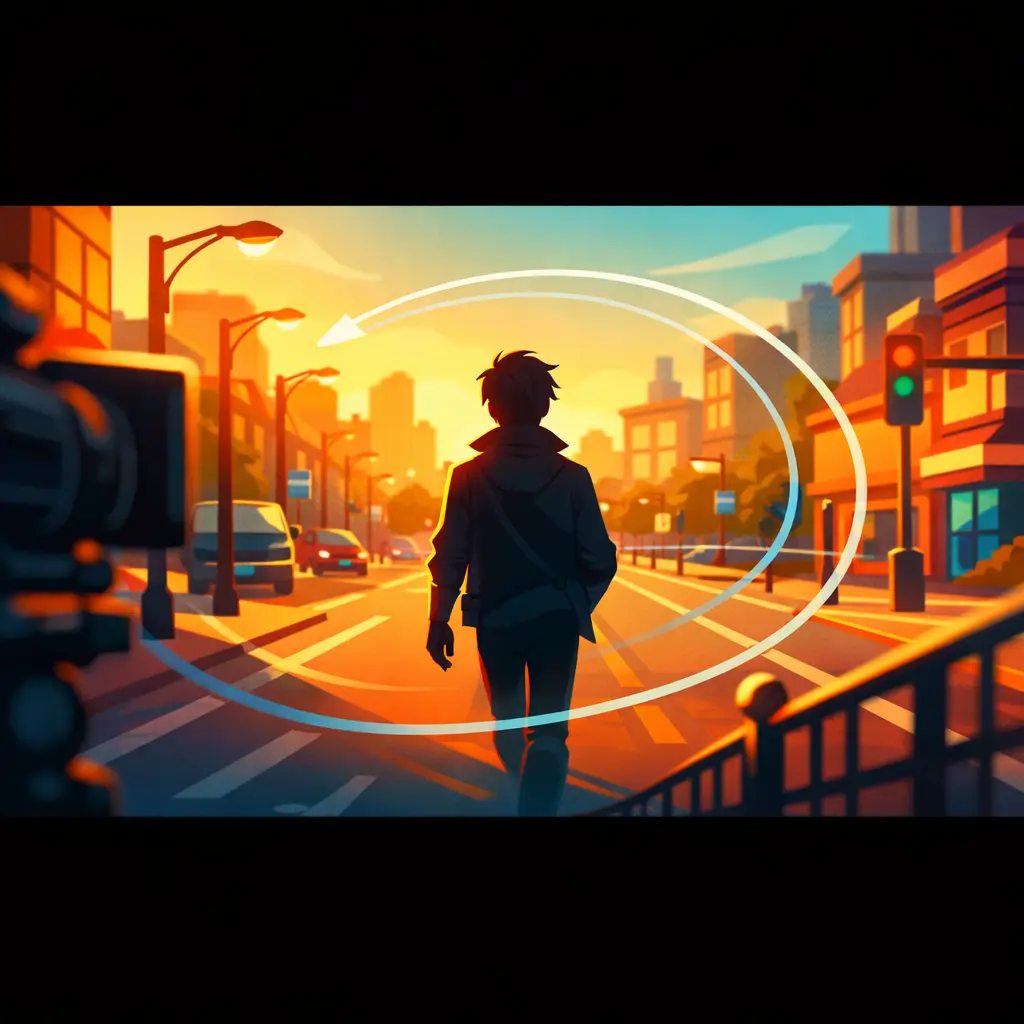
- Understand fundamental cinematography elements: framing, composition, lighting, and camera motion.
- Learn how lens choice and focal length affect perspective, depth, and field of view.
- Explore how lighting, color temperature, and shadows influence mood and storytelling.
- Identify common camera movements (pan, tilt, dolly, tracking, handheld) and their narrative purposes.
❓ Frequently Asked Questions
What is cinematography?
Cinematography is the art of capturing moving images with a camera, including framing, lighting, and camera movement to tell a story.
What is depth of field and why does it matter?
Depth of field is the range of distances that appear sharp in an image. A shallow depth of field isolates subjects, while a deep depth of field keeps more of the scene in focus, affecting clarity and mood.
What is shot scale and how do wide, medium, and close-up shots serve a scene?
Shot scale describes how much of the subject or surroundings are shown: wide shots establish context, medium shots cover action and dialogue, and close-ups reveal emotions and details.
What is three-point lighting?
Three-point lighting uses key light (main), fill light (reduces shadows), and back light (separates subject from background) to shape the image.
What is color grading?
Color grading adjusts color and tone in post-production to set mood, style, and visual consistency.