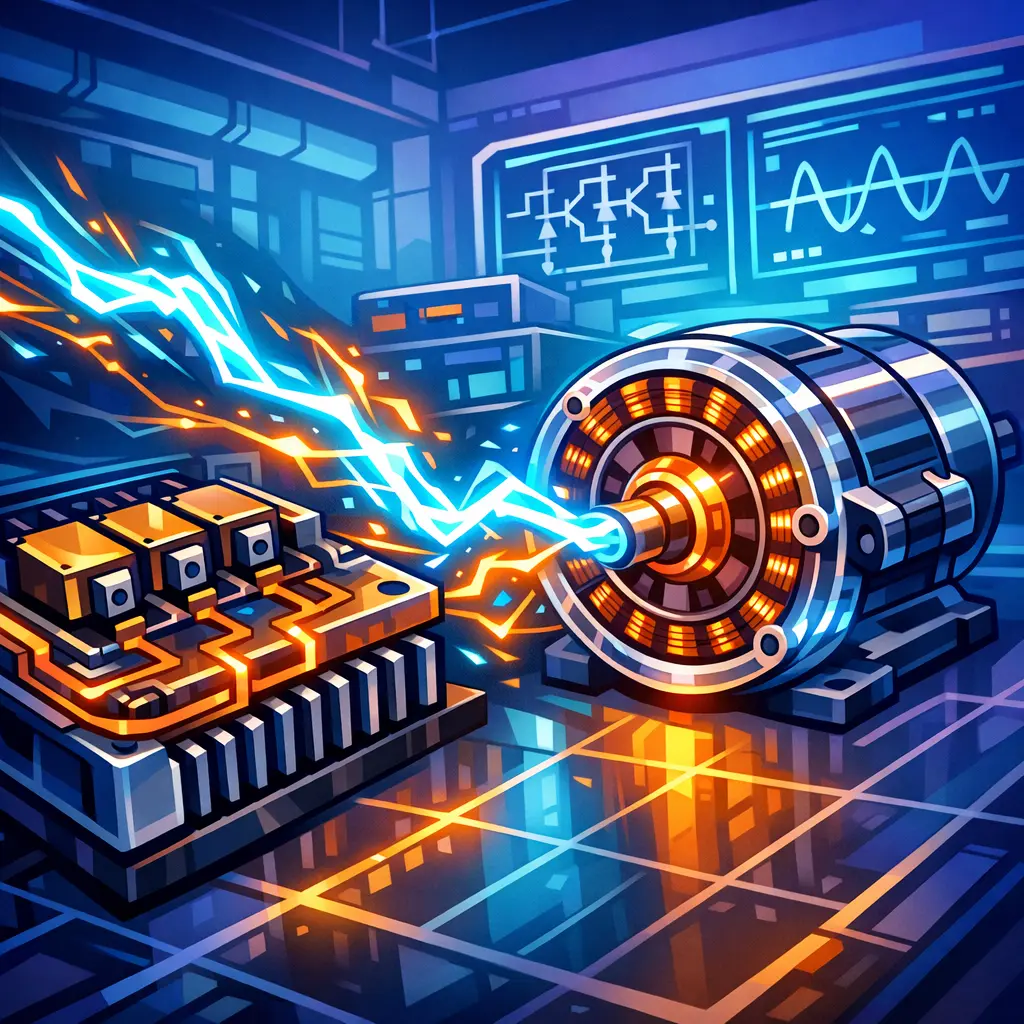
Circuit Design & Embedded Systems Basics refers to the foundational principles and techniques used to create electronic circuits and integrate microcontrollers or microprocessors into devices. This area is essential in engineering and technology careers, as it involves designing, testing, and troubleshooting hardware and software that control electronic systems. Professionals in this field enable the development of smart devices, automation, and advanced technologies found in industries such as robotics, automotive, and consumer electronics.
Circuit Design & Embedded Systems Basics
Circuit Design & Embedded Systems Basics refers to the foundational principles and techniques used to create electronic circuits and integrate microcontrollers or microprocessors into devices. This area is essential in engineering and technology careers, as it involves designing, testing, and troubleshooting hardware and software that control electronic systems. Professionals in this field enable the development of smart devices, automation, and advanced technologies found in industries such as robotics, automotive, and consumer electronics.
💡 Key Takeaways
- Understand the core building blocks of circuits (resistors, capacitors, semiconductors) and how they shape signals.
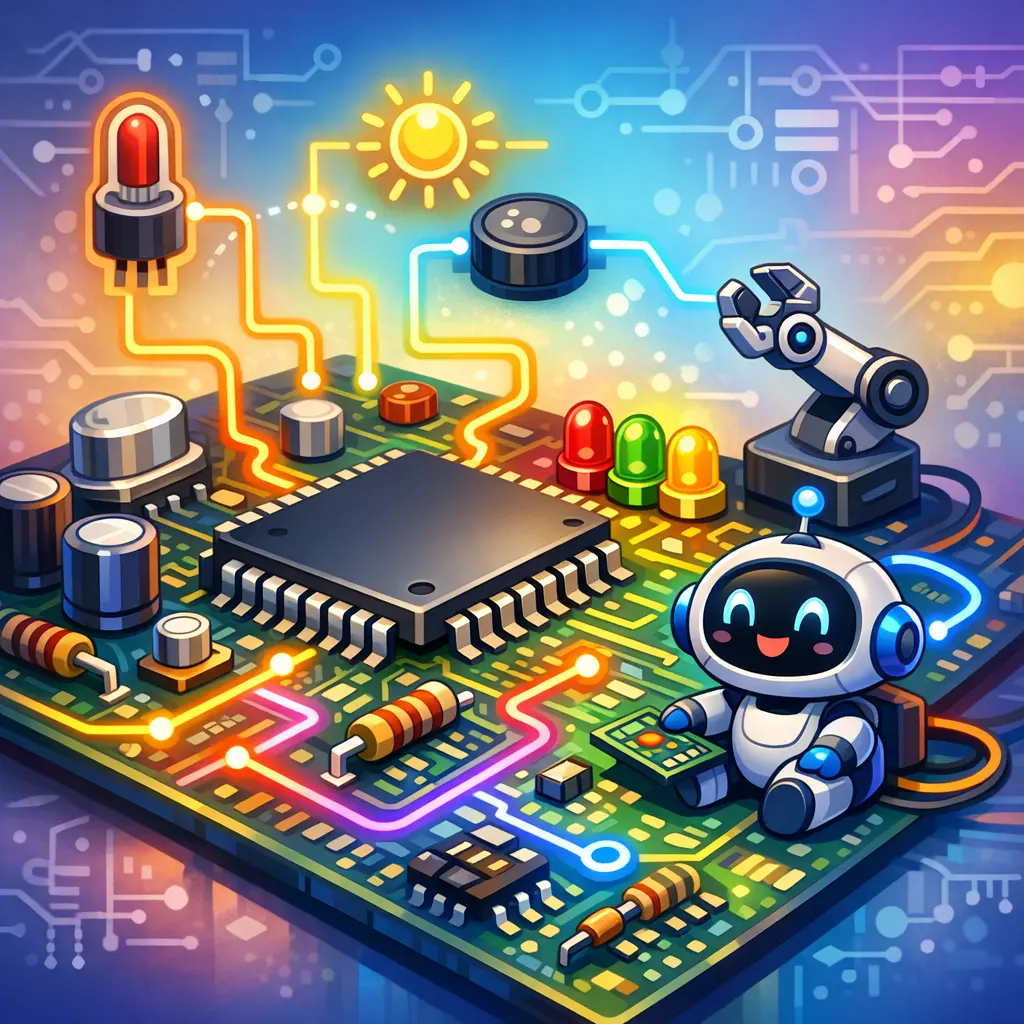
- Differentiate analog and digital circuits and how microcontrollers interface with sensors and actuators.
- Learn the basics of embedded system architecture, including microcontrollers, memory, and common peripherals (GPIO, I2C, SPI, UART).
- Get introduced to prototyping workflows: reading schematics, PCB basics, power management, and debugging techniques.
- Explore fundamental design considerations such as signal integrity, noise, decoupling, safety, and testing/validation.
❓ Frequently Asked Questions
What is circuit design?
Circuit design is the process of planning electronic circuits to meet requirements: select components, draw schematics, simulate behavior, lay out PCB traces, and verify the design works.
What is an embedded system?
An embedded system is a computer inside a device that performs a dedicated task, often with real-time constraints and sensors/actuators.
What is the difference between a microcontroller and a microprocessor?
A microcontroller includes CPU, memory, and peripherals on one chip for compact, low-power tasks; a microprocessor is just the CPU and needs external memory and peripherals for larger, flexible computing.
What is a PCB and why is layout important?
A PCB (printed circuit board) provides physical support and electrical connections via traces; good layout is crucial for signal integrity, power delivery, and thermal management.
What are common serial interfaces used in embedded designs?
Common interfaces include UART (asynchronous), SPI, and I2C; other possibilities are CAN and USB for broader connectivity.