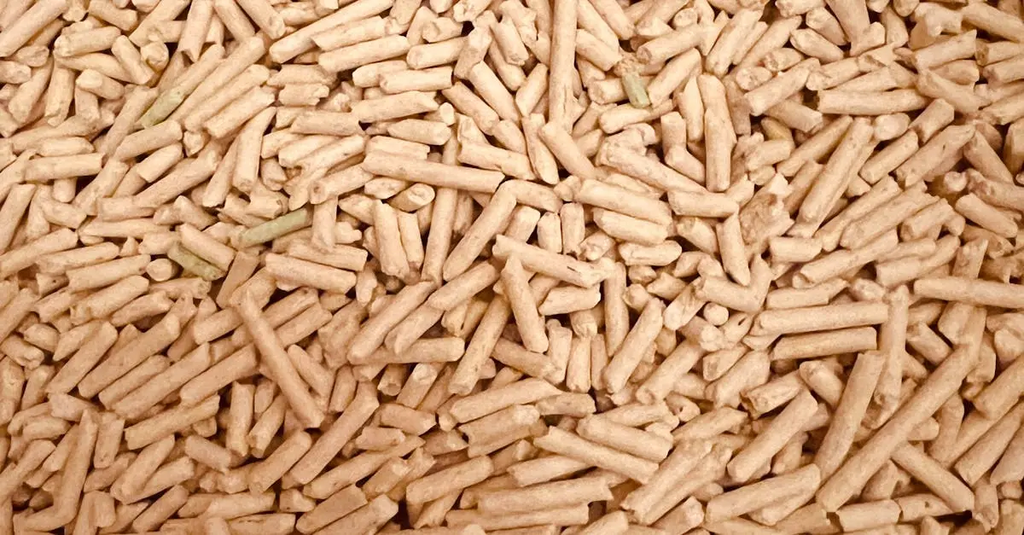
Circular design and materials innovation refers to creating products and systems that prioritize reuse, recycling, and sustainability from the outset. This approach focuses on selecting materials that are renewable, biodegradable, or easily recyclable, and designing products for longevity, repair, and eventual disassembly. The goal is to minimize waste and environmental impact by keeping resources in use for as long as possible, transforming traditional linear production into a regenerative, closed-loop system.
Circular Design and Materials Innovation
Circular design and materials innovation refers to creating products and systems that prioritize reuse, recycling, and sustainability from the outset. This approach focuses on selecting materials that are renewable, biodegradable, or easily recyclable, and designing products for longevity, repair, and eventual disassembly. The goal is to minimize waste and environmental impact by keeping resources in use for as long as possible, transforming traditional linear production into a regenerative, closed-loop system.

💡 Key Takeaways
- Grasp the core ideas of circular design and how it reduces waste.
- Identify material choices that are renewable, biodegradable, or easily recyclable.
- Learn design strategies that increase longevity and enable easy repair.
- Understand circular systems like reuse, refurbishing, and remanufacturing to close the loop.
❓ Frequently Asked Questions
What is circular design?
An approach that keeps materials and products in use for as long as possible by prioritizing reuse, repair, remanufacturing, and recycling, reducing waste and environmental impact.
Why are renewable, biodegradable, or easily recyclable materials important in circular design?
These materials enable safer, easier recovery at end of life and support closed-loop cycles with lower environmental impact.
How can products be designed for longevity and repair?
By using durable components, modular design, standardized parts, accessible fasteners, and providing spare parts and repair guides.
What is the difference between recycling and remanufacturing in circular design?
Recycling breaks materials down to basic components, while remanufacturing restores used parts to like-new condition, preserving value and extending the product’s life.