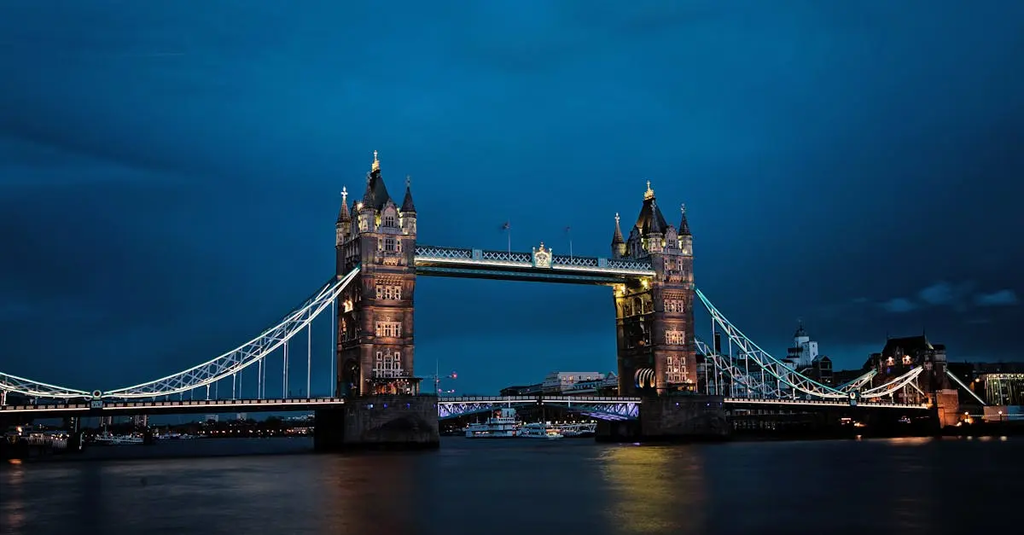
City growth and urban morphology in the UK refer to the patterns and processes shaping the expansion and physical form of urban areas. This includes the development of infrastructure, housing, commercial zones, and public spaces, influenced by historical factors, industrialization, planning policies, and population changes. The resulting urban landscapes display a mix of traditional and modern architecture, varied street layouts, and evolving land use, reflecting both past legacies and contemporary urban needs.
City growth and urban morphology in the UK
City growth and urban morphology in the UK refer to the patterns and processes shaping the expansion and physical form of urban areas. This includes the development of infrastructure, housing, commercial zones, and public spaces, influenced by historical factors, industrialization, planning policies, and population changes. The resulting urban landscapes display a mix of traditional and modern architecture, varied street layouts, and evolving land use, reflecting both past legacies and contemporary urban needs.
💡 Key Takeaways
- Understand the main drivers of UK city growth—historic development, industrialization, and planning policies—and how they shape urban form.
- See how infrastructure like railways, roads, ports, and utilities creates distinct urban morphologies and functional zones.
- Explore how planning policies (green belts, garden city ideas, postwar housing, and regeneration) influence land use, density, and suburban development.
- Compare urban forms across the UK—from historic city cores to industrial belts and new towns—and how housing, commerce, and public spaces are spatially organized.
❓ Frequently Asked Questions
What is urban morphology?
Urban morphology is the study of the physical form of cities—the layout of streets, blocks, buildings, and land use, and how these patterns change over time.
What factors have shaped city growth in the UK?
Key drivers include historical development, industrialization, transportation networks (railways and roads), migration, housing demand, economic shifts, and planning policies.
How does UK planning policy influence urban growth?
Planning policy guides where and how development happens through Local Plans, Green Belt protections, housing targets, and infrastructure requirements.
What are common urban morphology patterns in UK cities?
Cities often show dense cores with historic street layouts or organic patterns, expansion along transport corridors, suburbanization, and designated green spaces.