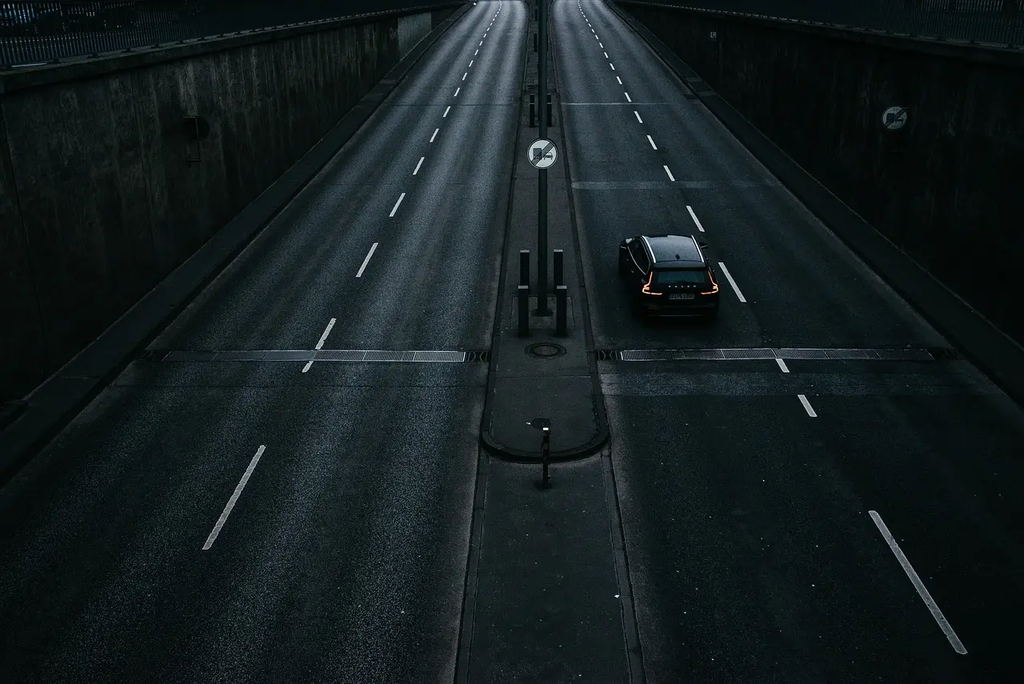
City driving involves navigating through congested streets, frequent stops at traffic signals, and dealing with pedestrians, cyclists, and tight parking spaces. It often requires constant attention and quick reactions due to unpredictable conditions. In contrast, highway driving typically features higher speeds, smoother traffic flow, and fewer stops. Drivers on highways face longer distances between exits and must be vigilant about merging vehicles, maintaining safe distances, and adapting to changing speed limits or weather conditions.
City vs Highway Driving
City driving involves navigating through congested streets, frequent stops at traffic signals, and dealing with pedestrians, cyclists, and tight parking spaces. It often requires constant attention and quick reactions due to unpredictable conditions. In contrast, highway driving typically features higher speeds, smoother traffic flow, and fewer stops. Drivers on highways face longer distances between exits and must be vigilant about merging vehicles, maintaining safe distances, and adapting to changing speed limits or weather conditions.
💡 Key Takeaways
- Understand how city driving differs from highway driving in terms of traffic, signals, pedestrians, and parking.
- Master essential city-driving skills such as scanning for pedestrians, safe braking in stop-and-go traffic, and precision parking.
- Practice highway techniques like maintaining safe following distance, smooth lane changes, and proper merging into faster traffic.
- Adopt safety-focused habits for both environments, including signaling, anticipating unpredictable conditions, and staying alert to fatigue.
❓ Frequently Asked Questions
What is the main difference between city driving and highway driving?
City driving has frequent stops, pedestrians and cyclists, and tight parking; highway driving features higher speeds, fewer intersections, and steadier traffic flow.
What driving techniques are important for city driving?
Stay alert for pedestrians and cyclists, anticipate sudden stops, use early signals, and keep speeds slower with shorter following distances.
How should following distance vary between city and highway driving?
In the city, maintain at least a 2-second gap (increase in rain or heavy traffic); on the highway, aim for 3–4 seconds or more at higher speeds.
What hazards are more common in city driving and how can you prepare?
Pedestrians, cyclists, open car doors, and sudden stops; scan ahead, drive at a cautious speed, and be ready to stop or yield.