Civil litigation refers to the legal process by which individuals or entities resolve non-criminal disputes in court, such as contract disagreements, property issues, or personal injury claims. Remedies are the outcomes or solutions that a court may order to address the harm suffered by the plaintiff, including monetary compensation (damages), injunctions to prevent certain actions, or specific performance requiring a party to fulfill contractual obligations.
Civil Litigation & Remedies
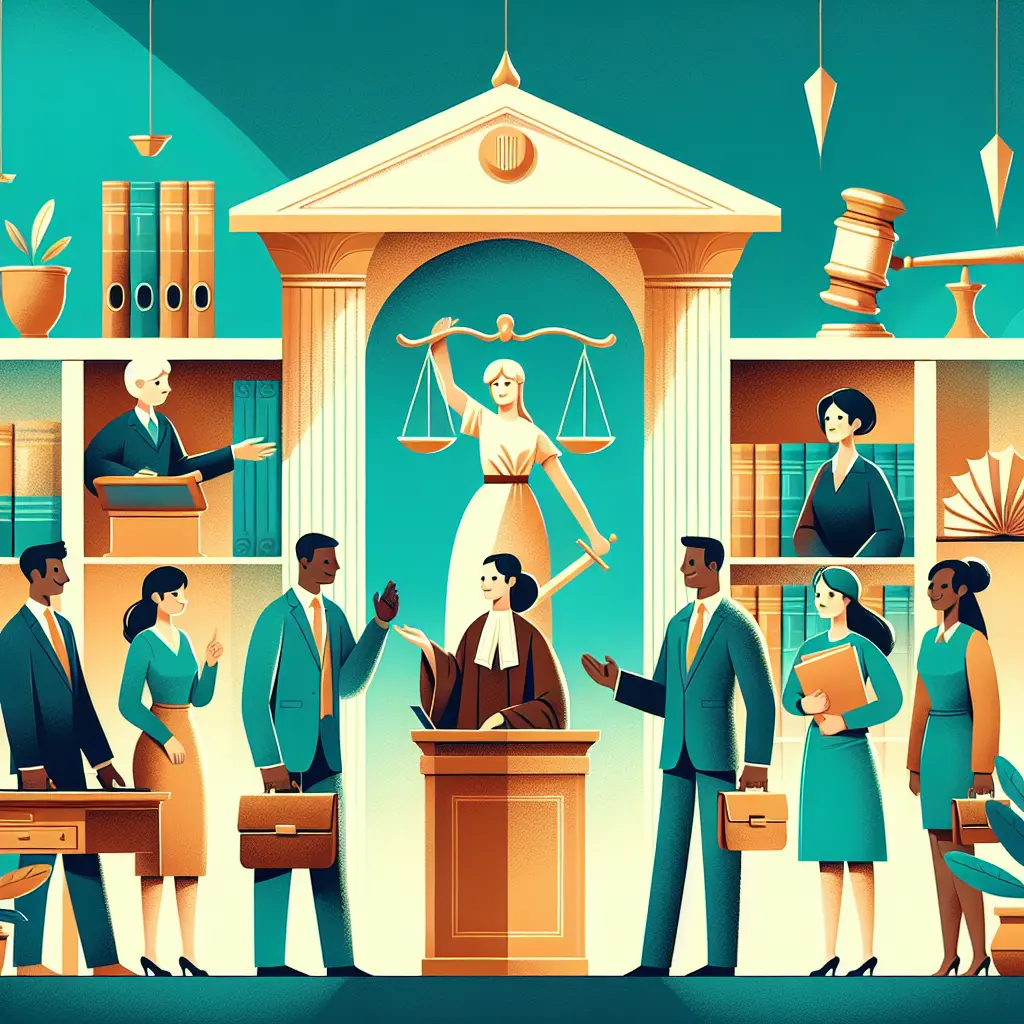
Civil litigation refers to the legal process by which individuals or entities resolve non-criminal disputes in court, such as contract disagreements, property issues, or personal injury claims. Remedies are the outcomes or solutions that a court may order to address the harm suffered by the plaintiff, including monetary compensation (damages), injunctions to prevent certain actions, or specific performance requiring a party to fulfill contractual obligations.
💡 Key Takeaways
- Understand what civil litigation is and how it differs from criminal cases.
- Identify common civil dispute areas (contracts, property, torts) and the typical steps in a civil case.
- Learn the civil standard of proof (preponderance of the evidence) and who bears the burden of proof.
- Explore the remedies courts may order, including damages, injunctions, and specific performance.
- Recognize outcomes for plaintiffs and defendants and when settlements or alternative dispute resolution may occur.
❓ Frequently Asked Questions
What is civil litigation?
Civil litigation is the legal process for resolving non-criminal disputes in court between individuals or entities, such as contract, property, or personal injury claims.
What is a remedy in civil cases?
A remedy is the court’s solution to address the harm, typically including monetary damages and non-monetary relief like injunctions, specific performance, or declaratory relief.
What are common types of remedies courts may award?
Monetary damages (e.g., compensatory), injunctions to stop or require action, specific performance to fulfill a contract, rescission or restitution to undo or restore, and declaratory judgments clarifying rights.
Who are the main parties in civil litigation and what do they do?
The plaintiff starts the case seeking relief, while the defendant responds to defend against the claims.