Civil litigation involves resolving disputes between parties through the court system. Pleadings are formal written statements by each side outlining their claims or defenses. Discovery is the pre-trial phase where parties exchange information and evidence relevant to the case. Motions are formal requests made to the court to obtain rulings or orders on specific legal issues during the litigation process. These steps ensure fairness and transparency in legal proceedings.
Civil Litigation: Pleadings, Discovery, Motions
Civil litigation involves resolving disputes between parties through the court system. Pleadings are formal written statements by each side outlining their claims or defenses. Discovery is the pre-trial phase where parties exchange information and evidence relevant to the case. Motions are formal requests made to the court to obtain rulings or orders on specific legal issues during the litigation process. These steps ensure fairness and transparency in legal proceedings.
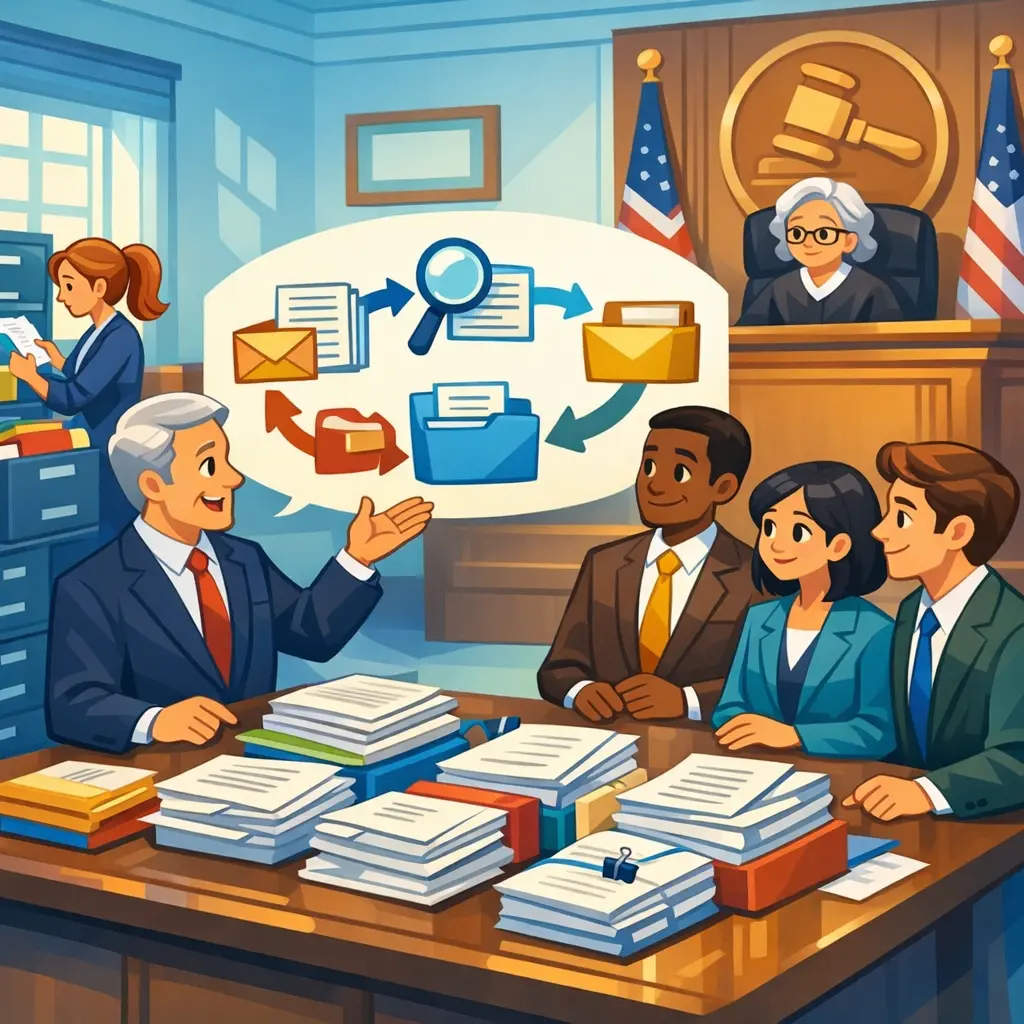
💡 Key Takeaways
- Understand the role of pleadings in civil litigation and how they frame the issues.
- Learn the components and purpose of a complaint and an answer, including admissions and defenses.
- Identify common discovery tools (interrogatories, requests for production, and depositions) and basic discovery timelines.
- Recognize typical motions (motions to dismiss, for summary judgment, and protective orders) and when they are appropriate.
❓ Frequently Asked Questions
What are pleadings in civil litigation?
Pleadings are the formal documents that start and frame a civil case, typically the complaint and the answer, outlining the claims, defenses, and the facts.
What is the difference between a complaint and an answer?
The complaint states the plaintiff’s claims and facts, while the answer responds to each allegation, admitting, denying, or raising defenses (and may include counterclaims).
What is discovery?
Discovery is the pre-trial process for gathering information from the other side and third parties using tools like interrogatories, requests for production, requests for admission, and depositions.
What are common motions in civil litigation?
Common motions include motions to dismiss (challenge the claims), motions for summary judgment (decide the case about the facts without a trial), motions in limine (limit or allow evidence at trial), and discovery-related motions (compel or protect information).