Civilian Conservation Corps Architecture in the Parks refers to the distinctive style of buildings, trails, bridges, and other structures constructed by the Civilian Conservation Corps (CCC) during the 1930s and early 1940s in national and state parks across the United States. Characterized by the use of native materials like stone and timber, the architecture blends harmoniously with natural surroundings, emphasizing rustic simplicity, durability, and craftsmanship, while enhancing visitor experience and preserving the environment.
Civilian Conservation Corps Architecture in the Parks
Civilian Conservation Corps Architecture in the Parks refers to the distinctive style of buildings, trails, bridges, and other structures constructed by the Civilian Conservation Corps (CCC) during the 1930s and early 1940s in national and state parks across the United States. Characterized by the use of native materials like stone and timber, the architecture blends harmoniously with natural surroundings, emphasizing rustic simplicity, durability, and craftsmanship, while enhancing visitor experience and preserving the environment.
💡 Key Takeaways
- Understand how CCC-era park buildings used native materials and handcrafted details to harmonize with their surroundings.
- Learn the defining features of the National Park Service Rustic style, such as stone, timber, and local materials, and how they were incorporated into design.
- Identify iconic CCC-built structures (lodges, trails, bridges) in U.S. parks and what sets them apart.
- Explore the historical context of the CCC and how its architecture helped shape later park design and public recreation.
❓ Frequently Asked Questions
What is Civilian Conservation Corps Architecture in the Parks?
A rustic, park-friendly style used in the 1930s–40s to build buildings, trails, and bridges in national and state parks, designed to blend with the natural landscape.
What materials were commonly used in CCC park structures?
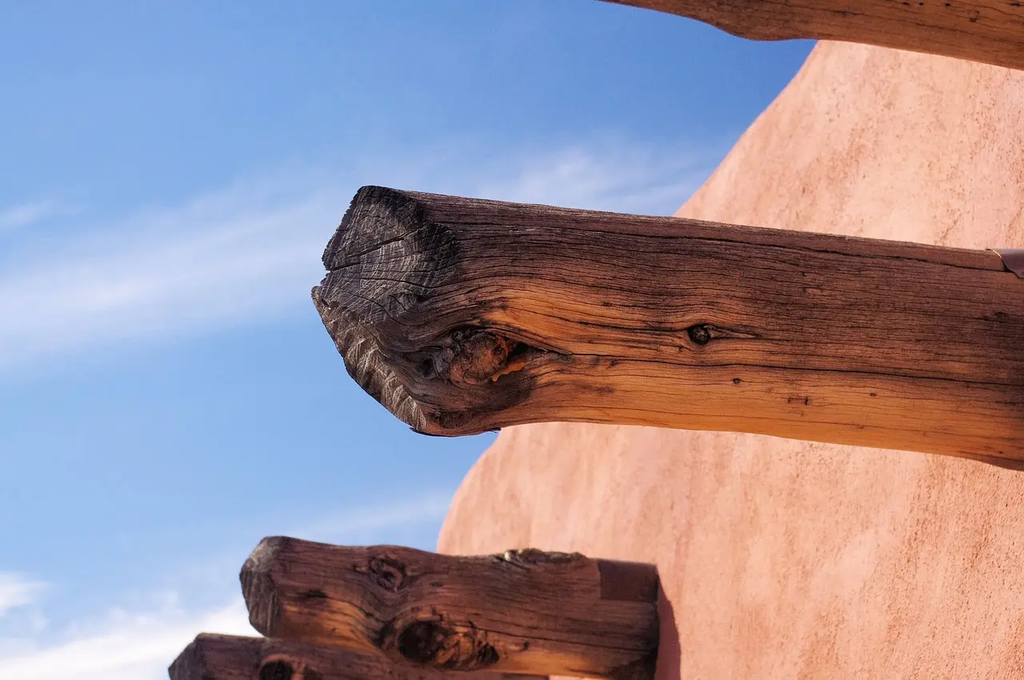
Locally sourced stone, timber, and concrete, with rough textures and hand-crafted details to mirror the surroundings.
What is the design philosophy behind CCC architecture (Parkitecture)?
Aiming for harmony with nature by using natural materials and simple forms that minimize visual impact while providing durable park facilities.
How can you identify a CCC-built feature in a park?
Look for rustic stonework or log/timber construction, era markings from the 1930s–1940s, and National Park Service or CCC signage or plaques.