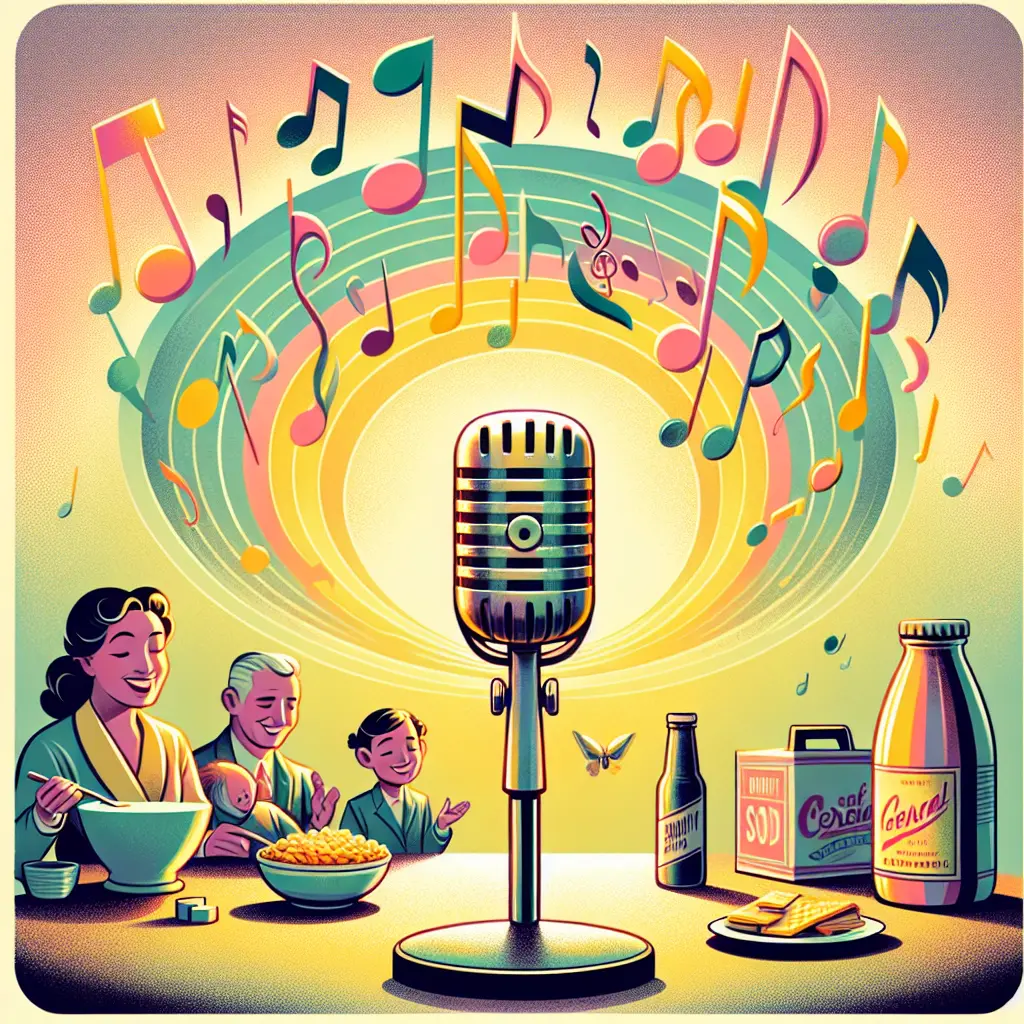
Classic commercial jingles are catchy musical tunes or slogans created for advertisements, primarily on radio and television. Designed to be memorable, these short melodies often repeat brand names or product benefits, embedding them in consumers’ minds. Over time, many jingles become iconic, evoking nostalgia and strong brand recognition. Their simplicity and repetition make them effective marketing tools, influencing consumer behavior and shaping popular culture across generations.
Classic Commercial Jingles
Classic commercial jingles are catchy musical tunes or slogans created for advertisements, primarily on radio and television. Designed to be memorable, these short melodies often repeat brand names or product benefits, embedding them in consumers’ minds. Over time, many jingles become iconic, evoking nostalgia and strong brand recognition. Their simplicity and repetition make them effective marketing tools, influencing consumer behavior and shaping popular culture across generations.
💡 Key Takeaways
- Learn how melody, rhythm, and repetition in jingles boost memorability and brand recall.
- Explore how jingles reflect advertising trends across decades and media, from radio to TV.
- Understand how jingles weave slogans and product benefits into persuasive messaging.
- Examine how iconic jingles foster nostalgia and influence today's branding and marketing.
❓ Frequently Asked Questions
What is a jingle?
A jingle is a short, memorable musical cue or chant used in advertising to reinforce a brand, often featuring the brand name and a key benefit.
Why are jingles effective for memory and brand recall?
Melodic hooks, repetition, and rhythm create strong associations, making it easier for listeners to remember the product long after the ad ends.
How did classic jingles evolve across decades?
Jingles began in radio, then dominated television with full songs and slogans, and later adapted to different media while preserving catchy melodies to evoke nostalgia.
What is the difference between a jingle and a slogan?
A slogan is a short, textual catchphrase; a jingle is that phrase set to music (and often sung or chanted) to boost memorability.