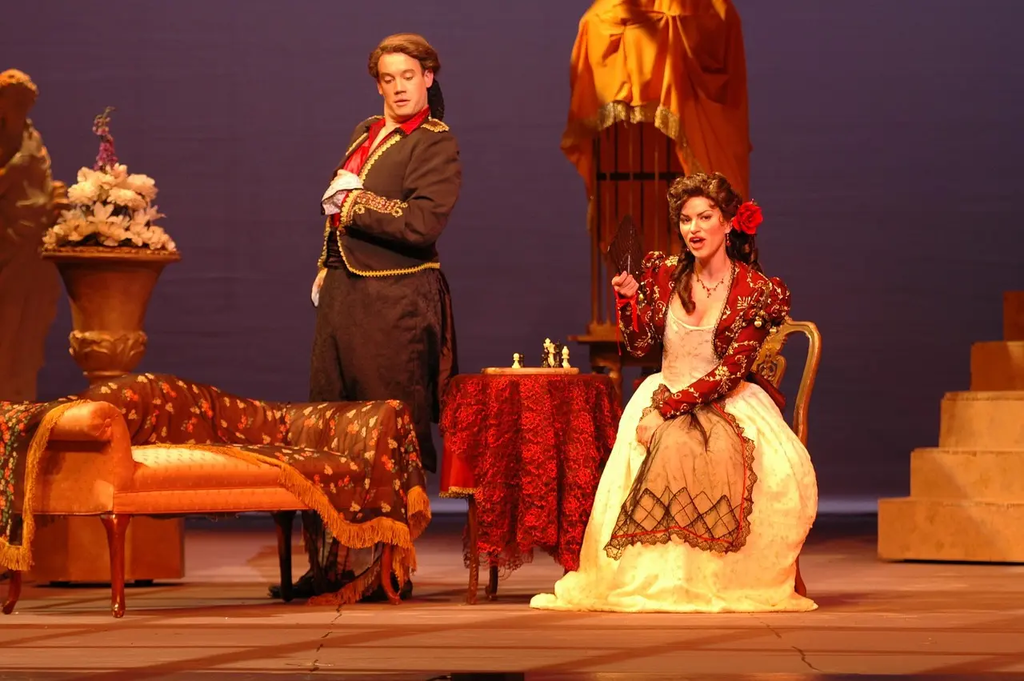
The Classical and Romantic Eras in performing arts and music span roughly from the mid-18th to the late 19th centuries. The Classical Era emphasized clarity, balance, and structured forms, with composers like Mozart and Haydn. The Romantic Era followed, focusing on emotional expression, individualism, and expanded musical forms, highlighted by composers such as Beethoven, Chopin, and Tchaikovsky. Both eras profoundly shaped Western music and artistic expression.
Classical & Romantic Eras
The Classical and Romantic Eras in performing arts and music span roughly from the mid-18th to the late 19th centuries. The Classical Era emphasized clarity, balance, and structured forms, with composers like Mozart and Haydn. The Romantic Era followed, focusing on emotional expression, individualism, and expanded musical forms, highlighted by composers such as Beethoven, Chopin, and Tchaikovsky. Both eras profoundly shaped Western music and artistic expression.
💡 Key Takeaways
- Compare the defining traits of Classical and Romantic music, including form, melody, and harmony.
- Identify key composers and representative works from each era (e.g., Mozart/Beethoven for Classical; Chopin/Liszt/Wagner for Romantic).
- Explain how changes in patronage, venues, and audiences shaped performance practices from courtly salons to public concerts.
- Describe how Romantic composers used programmatic meaning, national identity, and expanded orchestration to convey emotion.
❓ Frequently Asked Questions
What are the Classical and Romantic eras in music, and when did they occur?
The Classical era (roughly 1730–1820) emphasized balance, clarity, and formal structure; the Romantic era (roughly 1820–1900) stressed emotion, imagination, and individual expression.
What are the main musical characteristics of the Classical period?
Clear melodies, balanced phrases, refined textures, and standardized forms like sonata-allegro, symphony, and string quartet.
How does Romantic music differ from Classical music?
Romantic music expands emotional range, uses larger orchestras and wider dynamics, and often features programmatic pieces and personal or national themes.
Which composers are commonly associated with these eras?
Classical: Haydn, Mozart, and early Beethoven; Romantic: Beethoven (late works bridge), Chopin, Schubert, Liszt, Wagner, Brahms, Tchaikovsky.