Classical music refers to a rich tradition of Western art music spanning centuries, characterized by structured forms and expressive depth. Renowned composers such as Mozart, Beethoven, and Haydn crafted symphonies—multi-movement orchestral works—that showcase intricate melodies, harmonies, and orchestration. These masterpieces have profoundly influenced musical development, offering both intellectual complexity and emotional resonance, and continue to be celebrated and performed worldwide in concert halls and recordings.
Classical Music: Composers and Symphonies
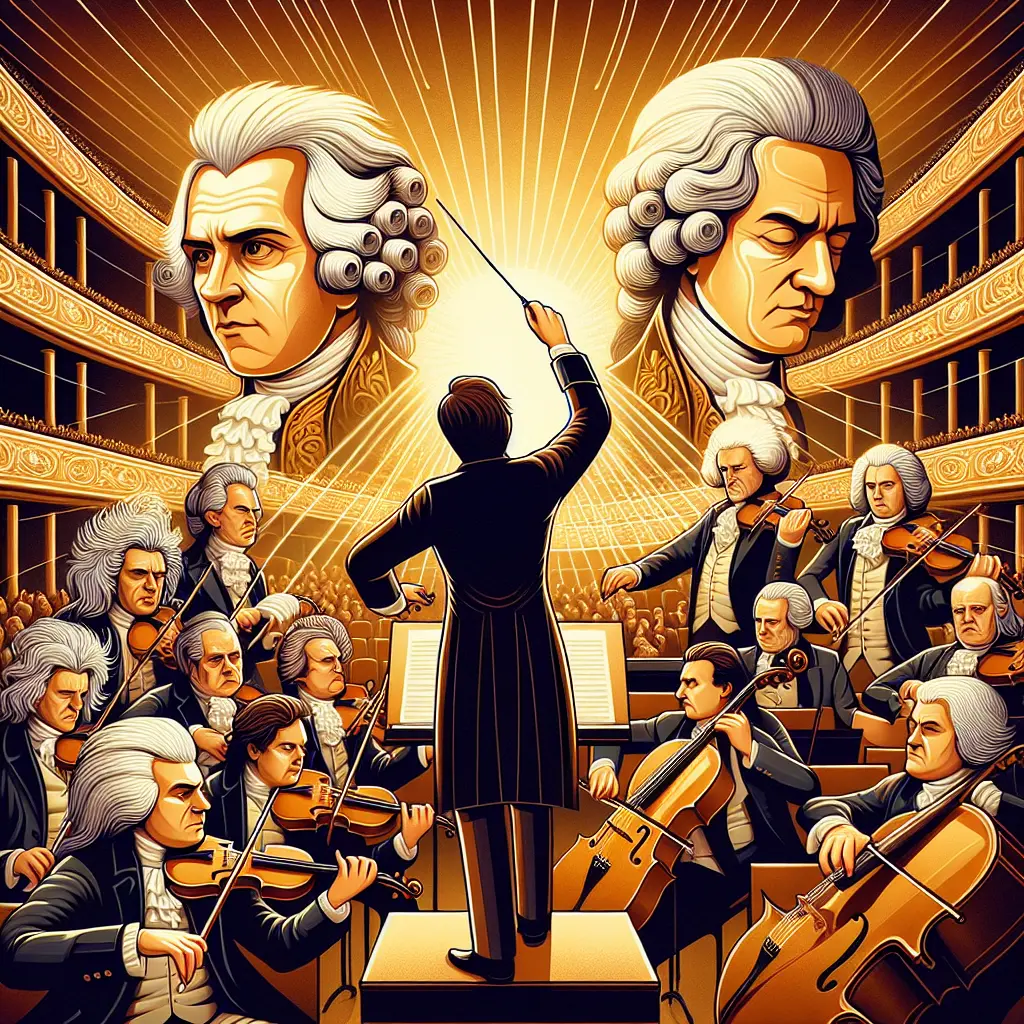
Classical music refers to a rich tradition of Western art music spanning centuries, characterized by structured forms and expressive depth. Renowned composers such as Mozart, Beethoven, and Haydn crafted symphonies—multi-movement orchestral works—that showcase intricate melodies, harmonies, and orchestration. These masterpieces have profoundly influenced musical development, offering both intellectual complexity and emotional resonance, and continue to be celebrated and performed worldwide in concert halls and recordings.
💡 Key Takeaways
- Identify key classical-era composers (Mozart, Haydn, Beethoven) and their contributions to symphonies.
- Explain what a symphony is and its typical four-movement structure (fast–slow–minuet/scherzo–fast).
- Name famous symphonies and link them to their composers for quick recall in quizzes.
- Learn basic classical-music terms (form, motif, harmony, orchestration) as they apply to symphonies.
❓ Frequently Asked Questions
What is a symphony?
A large-scale orchestral work for the full ensemble, usually multi-movement, designed to contrast mood and tempo.
Which composers are most associated with classical symphonies?
Mozart, Haydn, and Beethoven are iconic; Mozart and Haydn helped shape the form, while Beethoven expanded it into the Romantic era.
How many movements does a typical classical symphony have, and what are their tempos like?
Typically four: fast, slow, a lively dance-like movement (minuet or scherzo), then fast finale.
What is the role of the conductor and the orchestra in a symphony performance?
The conductor guides tempo, entrances, and interpretation, while the orchestra performs with sections of strings, winds, brass, and percussion.