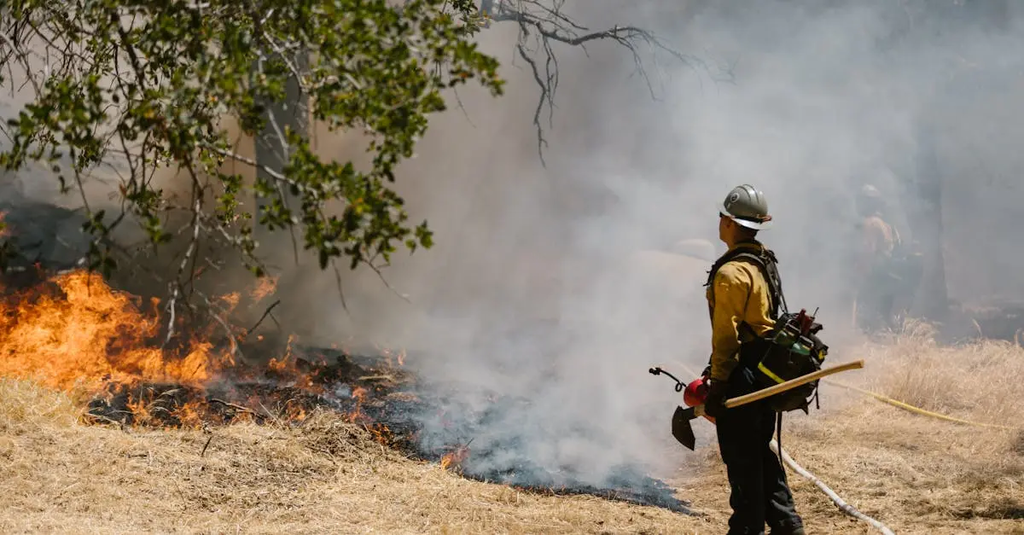
Climate change adaptation strategies refer to actions and plans designed to minimize the negative impacts of climate change on communities, ecosystems, and economies. These strategies include building resilient infrastructure, developing drought-resistant crops, improving water management, and protecting coastal areas from rising sea levels. By anticipating climate-related risks and implementing adaptive measures, societies can reduce vulnerability, safeguard livelihoods, and ensure sustainable development in the face of changing environmental conditions.
Climate Change Adaptation Strategies
Climate change adaptation strategies refer to actions and plans designed to minimize the negative impacts of climate change on communities, ecosystems, and economies. These strategies include building resilient infrastructure, developing drought-resistant crops, improving water management, and protecting coastal areas from rising sea levels. By anticipating climate-related risks and implementing adaptive measures, societies can reduce vulnerability, safeguard livelihoods, and ensure sustainable development in the face of changing environmental conditions.

💡 Key Takeaways
- Understand what climate change adaptation is and how it differs from mitigation.
- Identify common adaptation strategies (resilient infrastructure, drought-resistant crops, and improved water management) and how they reduce risk.
- Explain how adaptation protects communities, ecosystems, and economies from climate impacts.
- Recognize factors that make adaptation effective, including risk assessment, planning, stakeholder engagement, and monitoring.
❓ Frequently Asked Questions
What is climate change adaptation?
Adaptation involves actions to reduce harm and vulnerability by adjusting systems, infrastructure, and practices to evolving climate conditions.
What are some common adaptation strategies?
Examples include building resilient infrastructure, developing drought‑resistant crops, improving water management, flood defenses, and ecosystem‑based approaches.
How is adaptation different from mitigation?
Adaptation focuses on coping with climate impacts and reducing vulnerability; mitigation aims to reduce the magnitude of climate change by cutting greenhouse gas emissions.
Who leads and implements adaptation efforts?
Governments, communities, businesses, farmers, and researchers collaborate through planning, risk assessments, funding programs, and local action.