Climate justice and loss-and-damage debates in 2025 focus on addressing the disproportionate impacts of climate change on vulnerable nations and communities. These discussions emphasize fairness in climate action, seeking financial support and reparations from wealthier countries for losses and damages already experienced due to climate-related disasters. The debates highlight ethical responsibilities, equitable resource distribution, and mechanisms for compensation, aiming to ensure that those least responsible for climate change are not left to bear its greatest burdens.
Climate Justice and Loss-and-Damage Debates 2025
Climate justice and loss-and-damage debates in 2025 focus on addressing the disproportionate impacts of climate change on vulnerable nations and communities. These discussions emphasize fairness in climate action, seeking financial support and reparations from wealthier countries for losses and damages already experienced due to climate-related disasters. The debates highlight ethical responsibilities, equitable resource distribution, and mechanisms for compensation, aiming to ensure that those least responsible for climate change are not left to bear its greatest burdens.
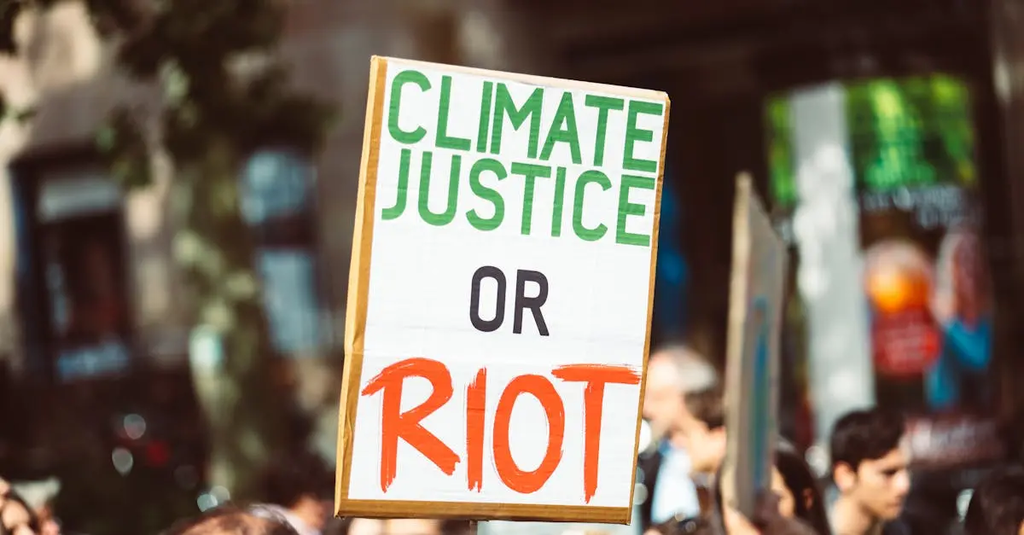
💡 Key Takeaways
- Understand what loss and damage means in climate policy and how it differs from adaptation and mitigation.
- Recognize why climate impacts disproportionately affect vulnerable nations and communities, and why equity matters in climate action.
- Identify the financial tools and reparations discussions proposed for loss and damage, including funding from wealthier countries and international mechanisms.
- Explore the key 2025 debates on accountability, governance, and fairness in funding climate loss and damage responses.
❓ Frequently Asked Questions
What is climate justice?
Climate justice asks that the impacts of climate change be addressed fairly, especially for communities that are most vulnerable and least responsible for emissions, ensuring inclusive decision‑making and equitable solutions.
What does 'loss and damage' mean in climate policy?
Loss and damage refers to harms from climate change that go beyond adaptation or mitigation, including irreversible losses. It often involves discussions about financial support or reparations for affected communities.
How do wealthier countries relate to these debates?
Wealthier countries historically emit more greenhouse gases. Debates call for financial aid, funding mechanisms, and potential reparations to help vulnerable nations cope with climate damages.
What are common ways to fund loss and damage responses?
Funding can come from international climate-finance mechanisms, grants, concessional loans, and insurance schemes, as well as dedicated funds. Some discussions include reparations or compensation arrangements.