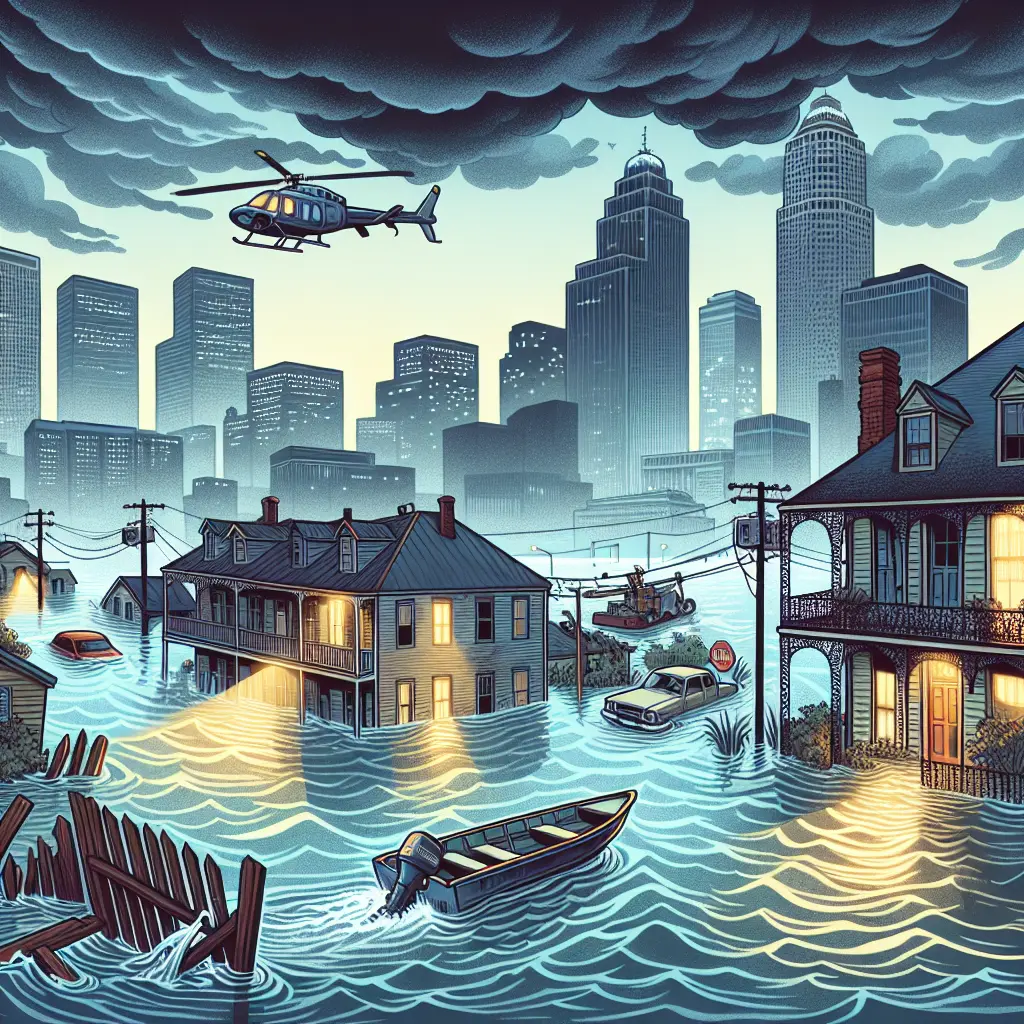
Climate migration refers to the movement of people forced to leave their homes due to climate-related events such as floods, hurricanes, droughts, or rising sea levels. In the United States, receiving communities are those areas that welcome and integrate these climate migrants. These communities face challenges and opportunities, including adapting infrastructure, providing social services, fostering inclusion, and addressing economic impacts, while also benefiting from new cultural and economic contributions brought by the newcomers.
Climate Migration and US Receiving Communities
Climate migration refers to the movement of people forced to leave their homes due to climate-related events such as floods, hurricanes, droughts, or rising sea levels. In the United States, receiving communities are those areas that welcome and integrate these climate migrants. These communities face challenges and opportunities, including adapting infrastructure, providing social services, fostering inclusion, and addressing economic impacts, while also benefiting from new cultural and economic contributions brought by the newcomers.

💡 Key Takeaways
- How climate-related events drive migration and where migrants tend to relocate within the United States.
- Core needs of climate migrants in receiving communities (housing, jobs, language access, healthcare, and education).
- Policy and planning strategies that support integration and equitable access to services for newcomers.
- Challenges and opportunities for migrants and host communities, including social cohesion, economic impacts, and community resilience.
❓ Frequently Asked Questions
What is climate migration?
Climate migration is the movement of people who are forced or compelled to leave their homes because of climate-related events such as floods, hurricanes, droughts, or rising seas.
What are receiving communities?
In the United States, receiving communities are places that welcome climate migrants and help them integrate by providing housing, services, and opportunities.
How do climate migrants end up in these communities?
They relocate after disasters or gradual climate change impacts, often with support from local governments, nonprofits, or networks.
What challenges and opportunities do receiving communities face?
Challenges include higher demand for housing, schools, and health services; opportunities include cultural diversity, a broader labor force, and new skills when well supported.
What can communities do to support climate migrants?
Provide affordable housing, language and job programs, healthcare and education access, and inclusive community engagement.