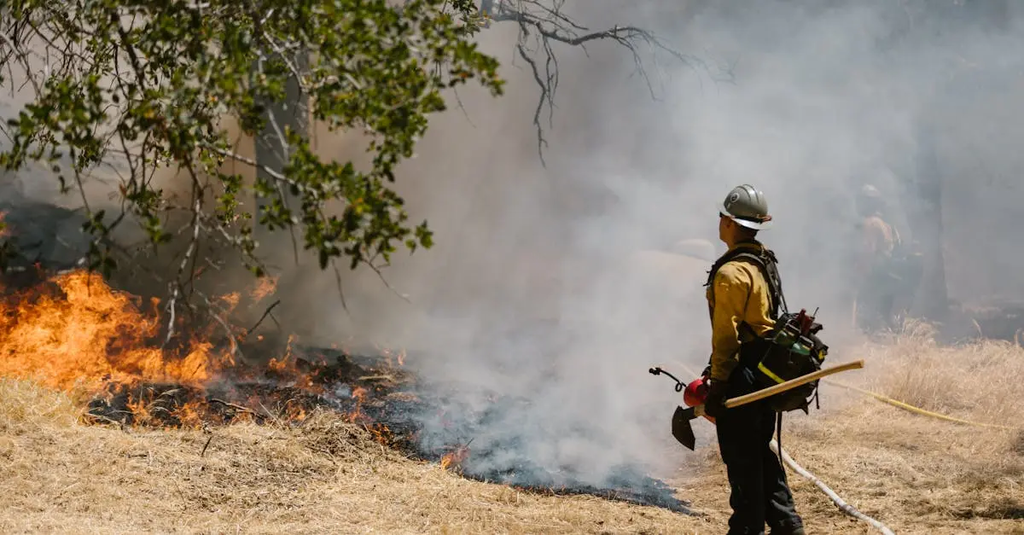
Climate Risk Assessment for Businesses involves evaluating how climate change and related environmental factors may impact a company's operations, assets, and supply chains. This process identifies potential physical risks, such as extreme weather events, and transition risks, like regulatory changes or shifts in market preferences. By assessing these risks, businesses can develop strategies to mitigate negative impacts, ensure regulatory compliance, and enhance long-term resilience and sustainability in a changing climate.
Climate Risk Assessment for Businesses
Climate Risk Assessment for Businesses involves evaluating how climate change and related environmental factors may impact a company's operations, assets, and supply chains. This process identifies potential physical risks, such as extreme weather events, and transition risks, like regulatory changes or shifts in market preferences. By assessing these risks, businesses can develop strategies to mitigate negative impacts, ensure regulatory compliance, and enhance long-term resilience and sustainability in a changing climate.
💡 Key Takeaways
- Identify physical climate risks (e.g., extreme weather, floods, heat) that could disrupt operations and damage assets.
- Assess transition risks from regulatory changes, carbon pricing, and shifting market expectations.
- Map risk across the supply chain to pinpoint where exposure is greatest.
- Learn methods to quantify potential financial impacts and resilience requirements.
- Incorporate climate risk findings into governance, reporting, and strategic planning.
❓ Frequently Asked Questions
What is Climate Risk Assessment for Businesses?
A structured process to identify, evaluate, and prioritize climate-related risks to a company’s operations, assets, and supply chains, including physical risks from weather events and transition risks from policy and market changes.
What are physical climate risks?
Direct impacts from climate change such as extreme weather, floods, storms, heat, and drought that can damage facilities, disrupt production, or affect suppliers.
What are transition risks?
Risks that arise from the shift to a low-carbon economy, including new regulations, carbon pricing, technology changes, and changing customer expectations.
What are the main steps of a climate risk assessment?
Inventory assets and processes; identify climate hazards and exposures; assess likelihood and impact; prioritize risks; develop mitigation/adaptation plans; monitor and update regularly.
How can a climate risk assessment benefit a business?
It improves resilience and continuity planning, informs strategic and investment decisions, supports insurance/financing, and helps meet regulatory and stakeholder expectations.