Clinical Trials Design & Management refers to the planning, implementation, and oversight of research studies that test new medical treatments, drugs, or devices in human participants. Professionals in this field ensure studies are scientifically sound, ethically conducted, and compliant with regulatory standards. Careers involve roles such as clinical research coordinators, project managers, and data analysts, all working collaboratively to advance medical knowledge and improve patient care through safe and effective clinical research.
Clinical Trials Design & Management
Clinical Trials Design & Management refers to the planning, implementation, and oversight of research studies that test new medical treatments, drugs, or devices in human participants. Professionals in this field ensure studies are scientifically sound, ethically conducted, and compliant with regulatory standards. Careers involve roles such as clinical research coordinators, project managers, and data analysts, all working collaboratively to advance medical knowledge and improve patient care through safe and effective clinical research.
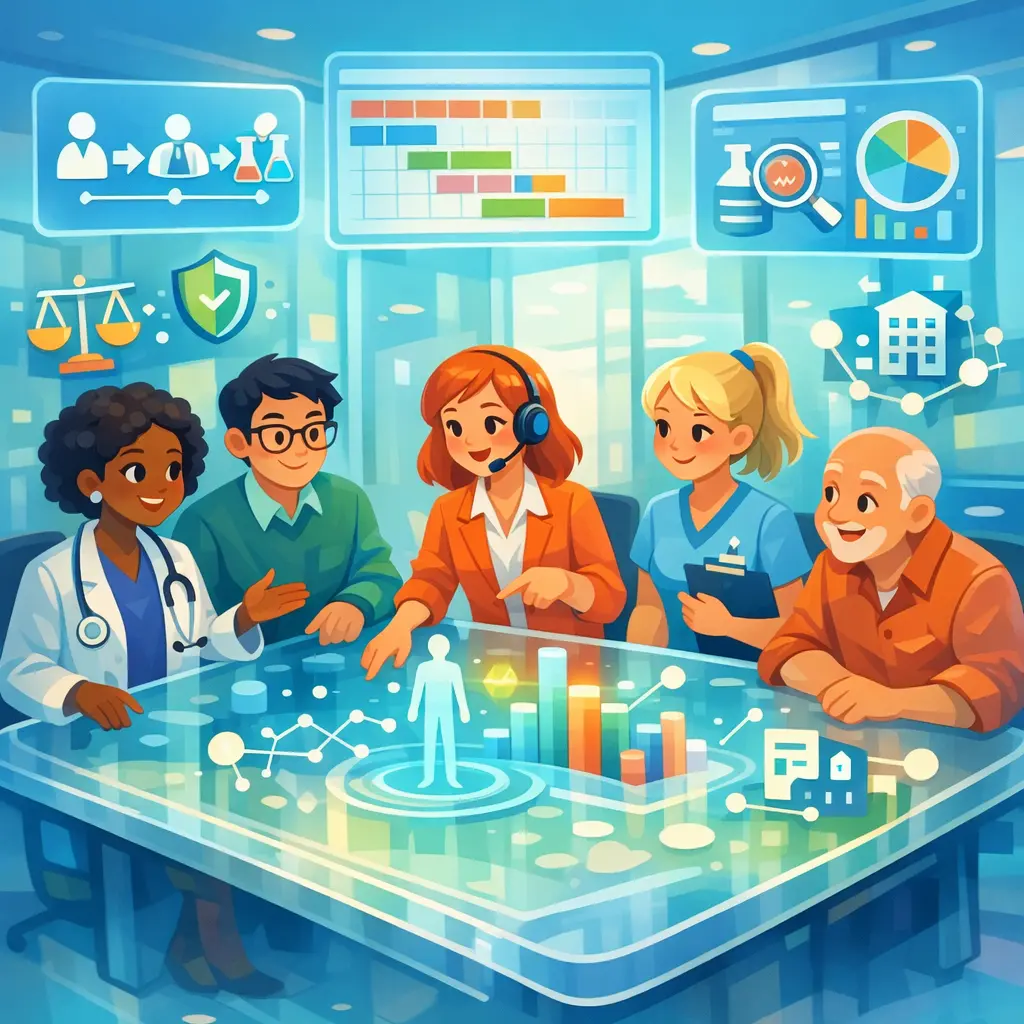
💡 Key Takeaways
- Understand the core elements of clinical trial design, including objectives, endpoints, eligibility criteria, and randomization.
- Compare trial designs (parallel, crossover, factorial, adaptive) and know when to use each.
- Grasp ethical and regulatory requirements such as Good Clinical Practice, informed consent, and IRB/IEC oversight.
- Learn about data management and safety monitoring, including adverse event reporting and interim analyses.
- Plan and manage a trial project (budgeting, timelines, vendor management, and regulatory submissions).
❓ Frequently Asked Questions
What is randomization and why is it used in clinical trials?
Randomization assigns participants to treatment groups by chance to balance known and unknown factors, reducing bias and enabling fair comparisons of outcomes.
What is blinding in a clinical trial, and who can be blinded?
Blinding conceals group assignment from participants, investigators, or outcome assessors to prevent bias; it can be single-, double-, or triple-blinded depending on who is unaware.
What is a trial protocol and why is it essential?
A protocol is the approved plan detailing objectives, design, methods, endpoints, sample size, and safety procedures guiding the trial’s conduct and regulatory review.
What are endpoints, and how are they used in trials?
Endpoints are predefined measurable outcomes used to judge the intervention’s effect, typically categorized as efficacy or safety endpoints and specified before data collection.
What is informed consent and why is it required?
Informed consent is a participant’s voluntary agreement after understanding risks, benefits, and alternatives, ensuring ethical conduct and regulatory compliance.