Clint Eastwood as a director is renowned for his efficient, no-nonsense filmmaking style and his ability to elicit powerful performances from actors. He often explores themes of morality, justice, and redemption in his films, which include acclaimed works like "Unforgiven," "Million Dollar Baby," and "Gran Torino." Eastwood’s direction is marked by understated storytelling, strong visual composition, and a preference for realism, earning him respect and numerous awards in Hollywood.
Clint Eastwood as Director
Clint Eastwood as a director is renowned for his efficient, no-nonsense filmmaking style and his ability to elicit powerful performances from actors. He often explores themes of morality, justice, and redemption in his films, which include acclaimed works like "Unforgiven," "Million Dollar Baby," and "Gran Torino." Eastwood’s direction is marked by understated storytelling, strong visual composition, and a preference for realism, earning him respect and numerous awards in Hollywood.
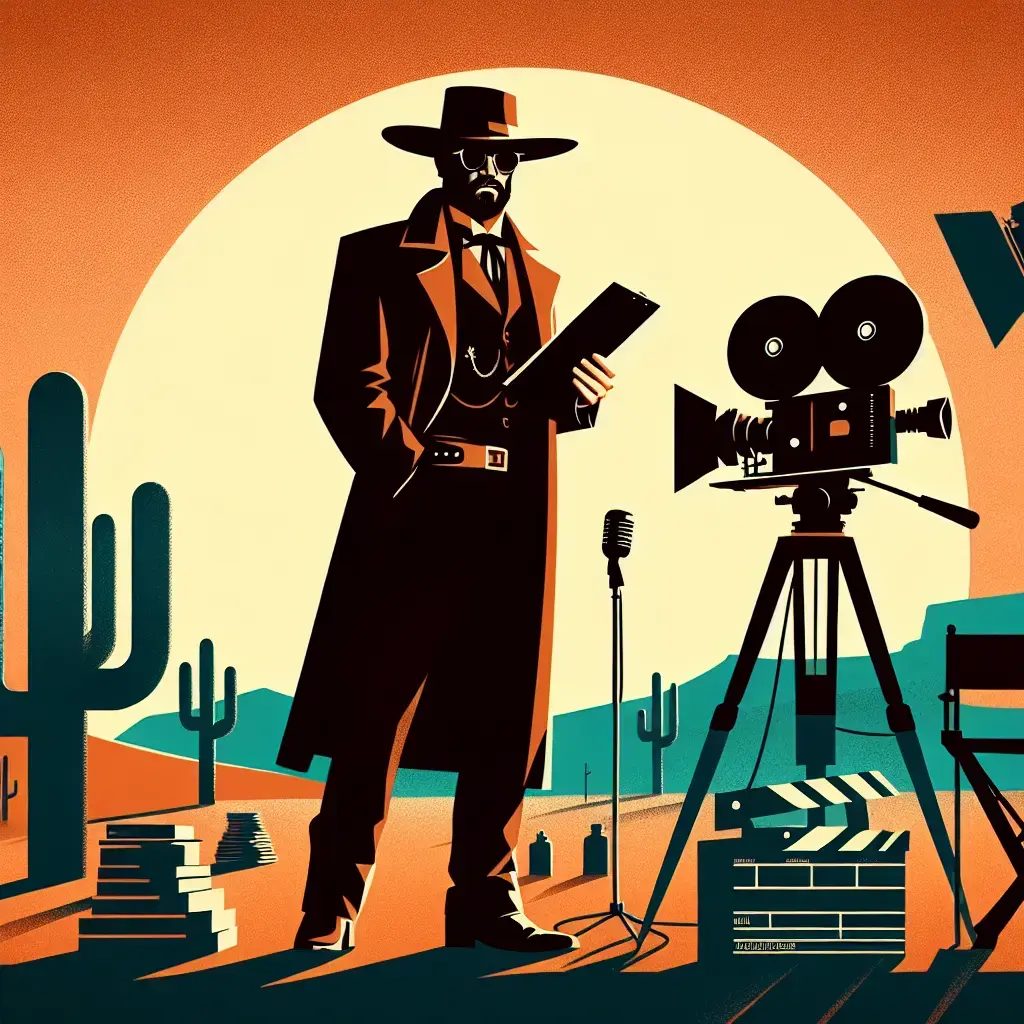
💡 Key Takeaways
- Recognize Eastwood's efficient, no-nonsense directing style and its impact on pacing and tone.
- See how he draws powerful performances from actors through restrained direction and trust.
- Identify recurring themes of morality, justice, and redemption in his films.
- Compare key works like Unforgiven and Million Dollar Baby to illustrate his approach.
❓ Frequently Asked Questions
What is a hallmark of Clint Eastwood's directing style?
An efficient, no-nonsense approach with lean storytelling, restrained dialogue, and a focus on performances.
Which themes are commonly explored in Eastwood's films as a director?
Morality, justice, and redemption, often tied to personal responsibility and the consequences of choices.
Name two acclaimed films Eastwood directed.
Unforgiven (1992) and Million Dollar Baby (2004) are among his most celebrated directing works.
How does Eastwood guide performances from actors?
He encourages natural, restrained performances by giving actors space and using minimal, precise direction.
What is a notable cinematography approach commonly used by Eastwood?
Economical, steady camera work with long takes and simple compositions, often favoring realism and practical lighting.