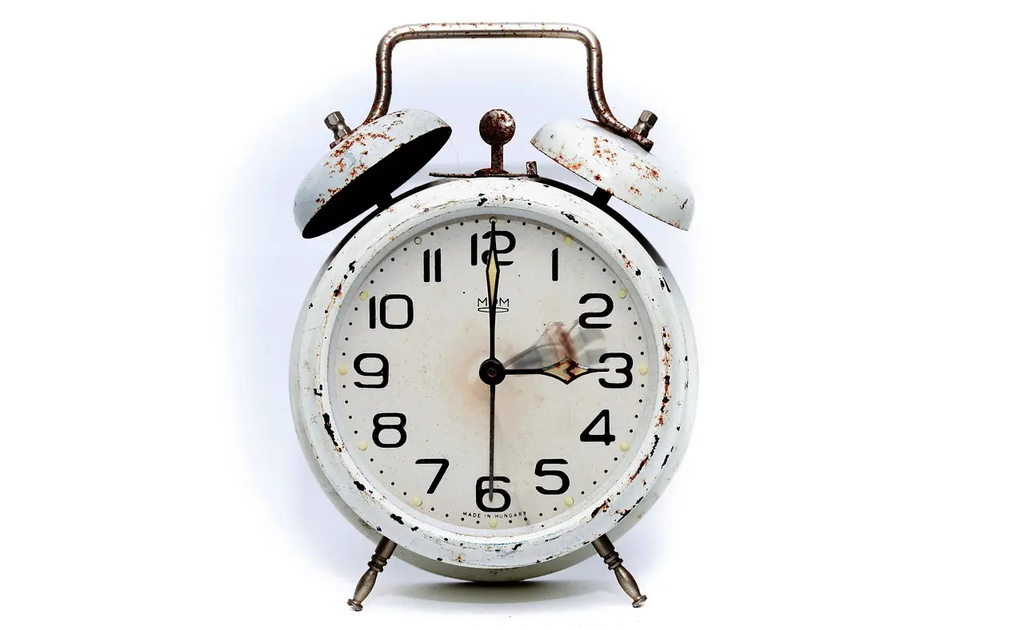
Clock and timeout management refers to the processes and techniques used to track, regulate, and control the passage of time within systems or applications. This includes synchronizing system clocks, setting time limits for operations, and ensuring timely execution or termination of tasks. Effective clock and timeout management is essential for maintaining system reliability, preventing resource overuse, and ensuring tasks complete within expected timeframes, especially in real-time or networked environments.
Clock and Timeout Management
Clock and timeout management refers to the processes and techniques used to track, regulate, and control the passage of time within systems or applications. This includes synchronizing system clocks, setting time limits for operations, and ensuring timely execution or termination of tasks. Effective clock and timeout management is essential for maintaining system reliability, preventing resource overuse, and ensuring tasks complete within expected timeframes, especially in real-time or networked environments.
💡 Key Takeaways
- Differentiate the game clock from the play clock and know when each runs or stops.
- Learn how timeouts are used to manage the clock and influence late-game decisions.
- Identify common clock stoppages (incomplete passes, out of bounds, penalties) and how they affect remaining time.
- Understand end-of-half and overtime rules and strategies to optimize time in critical moments.
❓ Frequently Asked Questions
What is the game clock, and when does it run or stop in American football?
The game clock tracks official game time. It runs during plays and stops for events such as incomplete passes, plays out of bounds, penalties that stop the clock, timeouts, injuries, changes of possession, reviews, and at the end of each period or halftime.
What are timeouts and how do they affect the clock?
Each team has a limited number of timeouts per half. Calling a timeout stops the game clock and gives a moment to plan, conserve time, or stop the opponent’s drive.
What is the two-minute warning and why is it important?
The two-minute warning is a game-wide stoppage near the end of the half (around 2:00 remaining). It marks a critical period for clock management and does not count as a team timeout.
What are common clock-management strategies teams use?
Strategies include running plays to drain the clock, spiking the ball to stop the clock intentionally, incomplete passes to stop the clock, kneeling to wind down the clock, and using timeouts wisely to preserve or stop time.