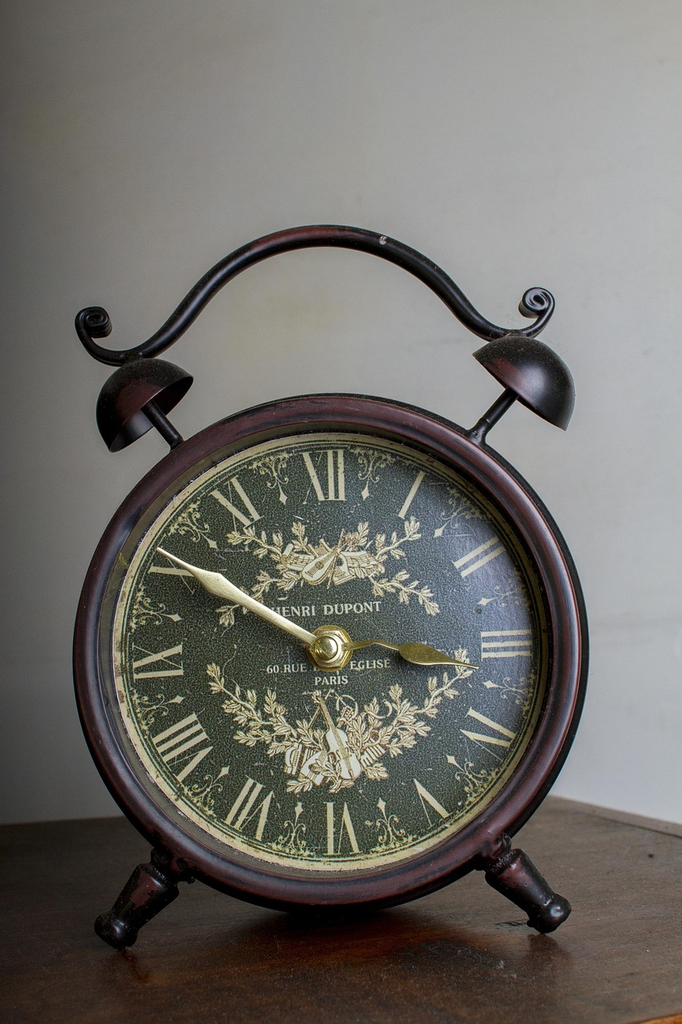
Clock Display Formats refer to the various ways in which time is visually presented on clocks, encompassing both analog and digital formats. These formats can include 12-hour and 24-hour displays, as well as different styles such as Roman numerals, Arabic numerals, or minimalist designs. Understanding clock display formats is essential in daily life for accurately reading and interpreting time across different devices and settings, ensuring punctuality and time management.
Clock Display Formats
Clock Display Formats refer to the various ways in which time is visually presented on clocks, encompassing both analog and digital formats. These formats can include 12-hour and 24-hour displays, as well as different styles such as Roman numerals, Arabic numerals, or minimalist designs. Understanding clock display formats is essential in daily life for accurately reading and interpreting time across different devices and settings, ensuring punctuality and time management.

💡 Key Takeaways
- Distinguish between 12-hour and 24-hour clock formats and where each is commonly used.
- Read and interpret times with and without AM/PM indicators, including leading zeros.
- Recognize common formatting elements like separators, punctuation, and locale variations.
- Convert times between formats and understand standard representations (e.g., ISO 8601) and how context influences formatting.
❓ Frequently Asked Questions
What is the difference between 12-hour and 24-hour clock formats?
12-hour uses numbers 1–12 with AM or PM; 24-hour uses 00–23 with no AM/PM.
When is the 24-hour clock commonly used?
In schedules, transportation, computing, and international contexts to avoid ambiguity (e.g., 19:45).
What is ISO 8601 time notation?
A standard digital format using 24-hour time, e.g., 2024-03-07T19:45:00Z, with a T between date and time.
What are leading zeros in time formats and why are they used?
Leading zeros pad single-digit hours or minutes (e.g., 07:05) for consistency and easier sorting; some contexts omit them.