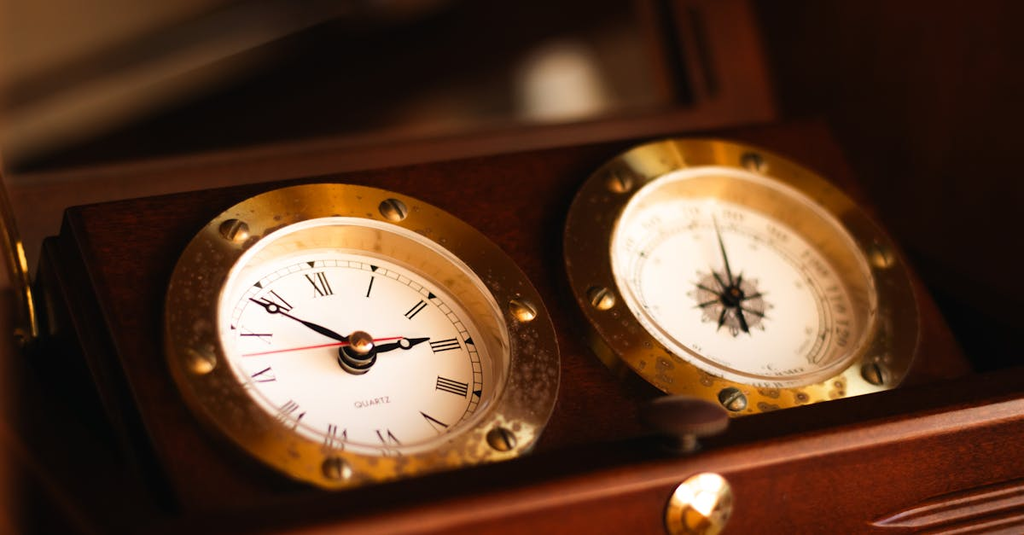
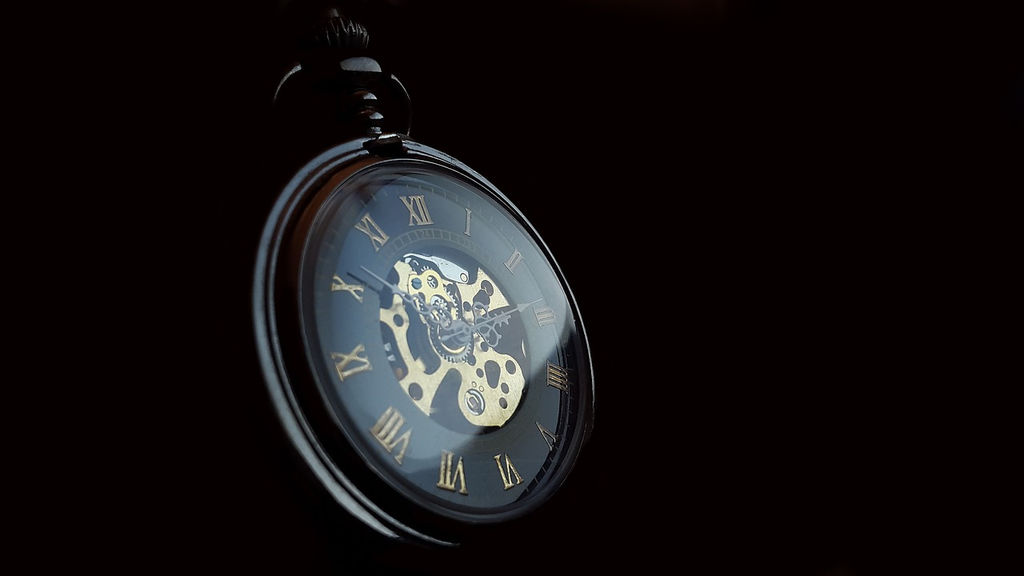
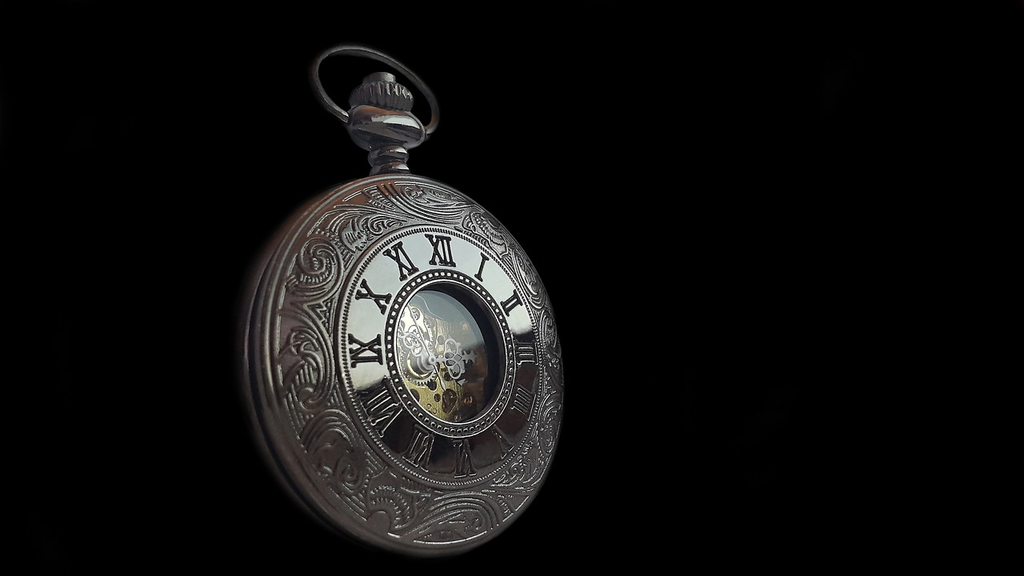
"Clock Mechanisms Explained" delves into the intricate inner workings of clocks, exploring how gears, springs, and pendulums interact to measure and display time accurately. This topic, part of the "Daily Essentials (Clocks & Keys)" series, simplifies complex engineering concepts, illustrating the evolution from traditional mechanical designs to modern quartz mechanisms. It highlights the crucial role clocks play in daily life, emphasizing their precision, reliability, and importance in organizing routines and schedules.
Clock Mechanisms Explained
"Clock Mechanisms Explained" delves into the intricate inner workings of clocks, exploring how gears, springs, and pendulums interact to measure and display time accurately. This topic, part of the "Daily Essentials (Clocks & Keys)" series, simplifies complex engineering concepts, illustrating the evolution from traditional mechanical designs to modern quartz mechanisms. It highlights the crucial role clocks play in daily life, emphasizing their precision, reliability, and importance in organizing routines and schedules.
💡 Key Takeaways
- Identify the key components of clockwork (mainspring, gears, escapement, and oscillator) and their roles.
- Explain how the escapement and oscillator produce regular, time-keeping ticks.
- Understand how gear ratios translate the oscillator’s motion into the movement of the minute and hour hands.
- Compare mechanical (wind-up) clocks with quartz clocks and their timekeeping principles.
- Recognize common factors that affect accuracy (friction, wear, temperature, magnetism) and how they influence performance.
❓ Frequently Asked Questions
What is a clock escapement and what does it do?
The escapement controls how the gear train advances, converting continuous power into discrete motions that regulate timing and produce the clock’s ticking.
How does a balance wheel differ from a pendulum in regulating time?
A pendulum uses gravity to create a very stable period and is common in wall and grandfather clocks; a balance wheel uses a hairspring in portable clocks. Both provide periodic motion, but their designs and sensitivities differ.
What is a mainspring and how does it power a mechanical clock?
The mainspring stores energy when wound. As it unwinds, it releases energy through the gear train, which is regulated by the escapement to move the hands at a steady rate.
What is the role of gear trains in clocks?
Gears translate the fast rotation of the power source into the slow, precise movements of the hour and minute hands, and also drive chimes or strikes through specific gear ratios.