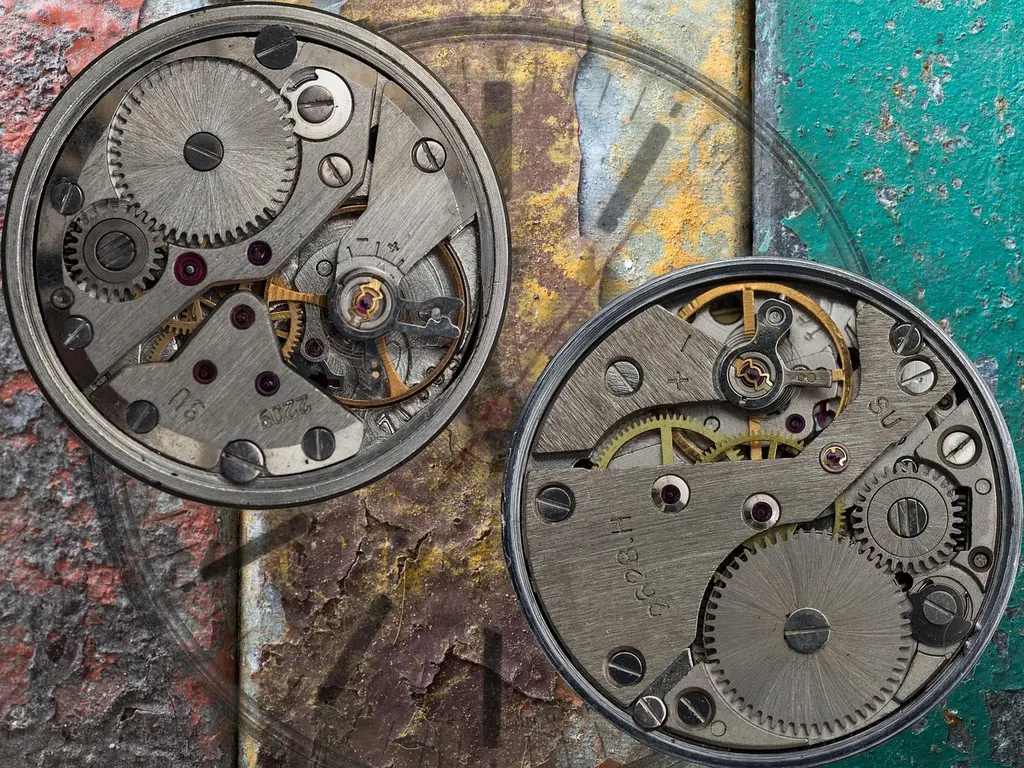
Clock parts and functions refer to the essential components that make up a clock and how each part operates to measure and display time. Key elements include the clock face, hands, gears, escapement, and winding mechanism. Each part works together to ensure accurate timekeeping. Understanding these daily essentials helps in maintaining, repairing, or appreciating the intricate craftsmanship and functionality behind traditional and modern clocks.
Clock Parts and Functions+50
Clock parts and functions refer to the essential components that make up a clock and how each part operates to measure and display time. Key elements include the clock face, hands, gears, escapement, and winding mechanism. Each part works together to ensure accurate timekeeping. Understanding these daily essentials helps in maintaining, repairing, or appreciating the intricate craftsmanship and functionality behind traditional and modern clocks.
💡 Key Takeaways
- Identify the main clock parts (dial, hands, movement, gears, and power source) and their roles.
- Explain how the gear train translates energy into the hands' slow, regular movement.
- Describe how the escapement regulates energy release to produce regular ticks.
- Understand how the power source powers the movement (mainspring or battery) and stores energy.
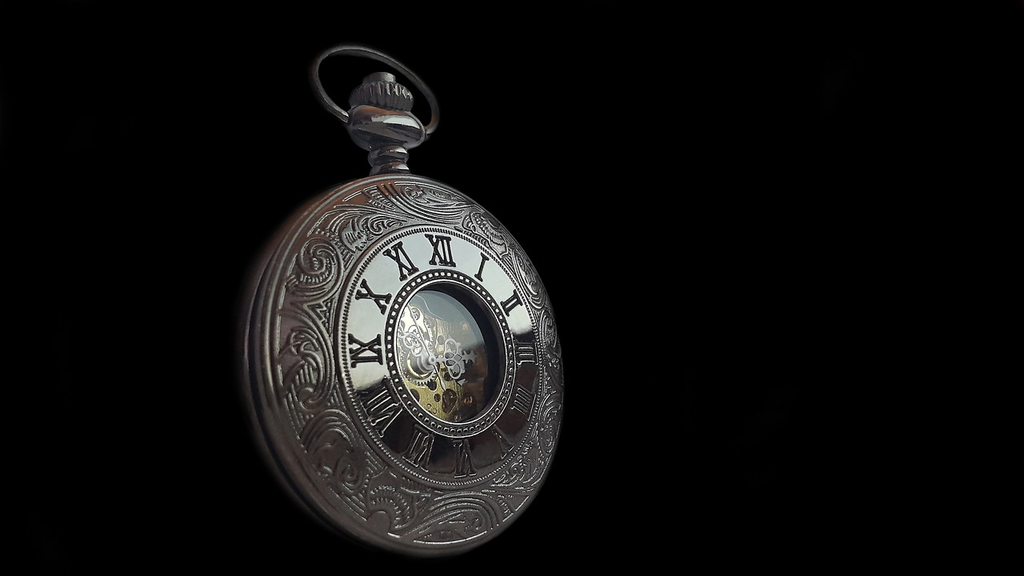
- See how clock hands show hours, minutes, and seconds, and how the dial aids readability.
❓ Frequently Asked Questions
What is the clock face and what is its function?
The clock face (dial) displays time with numbers or markers, and the hands point to the current hours, minutes, and sometimes seconds.
What is the clock movement and what does it do?
The movement is the internal mechanism that powers the hands and keeps time; it can be quartz (battery-powered) or mechanical.
What is the pendulum or balance wheel and why is it important?
It acts as the oscillator that regulates time, swinging or vibrating at a steady rate to control the clock's ticks and accuracy.
What is the mainspring and how does it power a clock?
The mainspring stores energy when wound and releases it gradually to drive the gear train and keep the clock running.
What is the escapement and what does it do?
The escapement transfers energy to the gear train in controlled increments, causing the ticking sound and ensuring accurate timekeeping.