Clock tower architecture refers to the design and construction of towers featuring prominent clocks, often serving as central landmarks in towns or cities. These structures combine functionality—displaying time for the public—with aesthetic elements, including ornate facades, spires, and intricate detailing. Clock towers often symbolize civic pride and technological advancement, while keys, as daily essentials, historically provided access to wind or maintain the clocks, emphasizing the importance of timekeeping in daily life.
Clock Tower Architecture
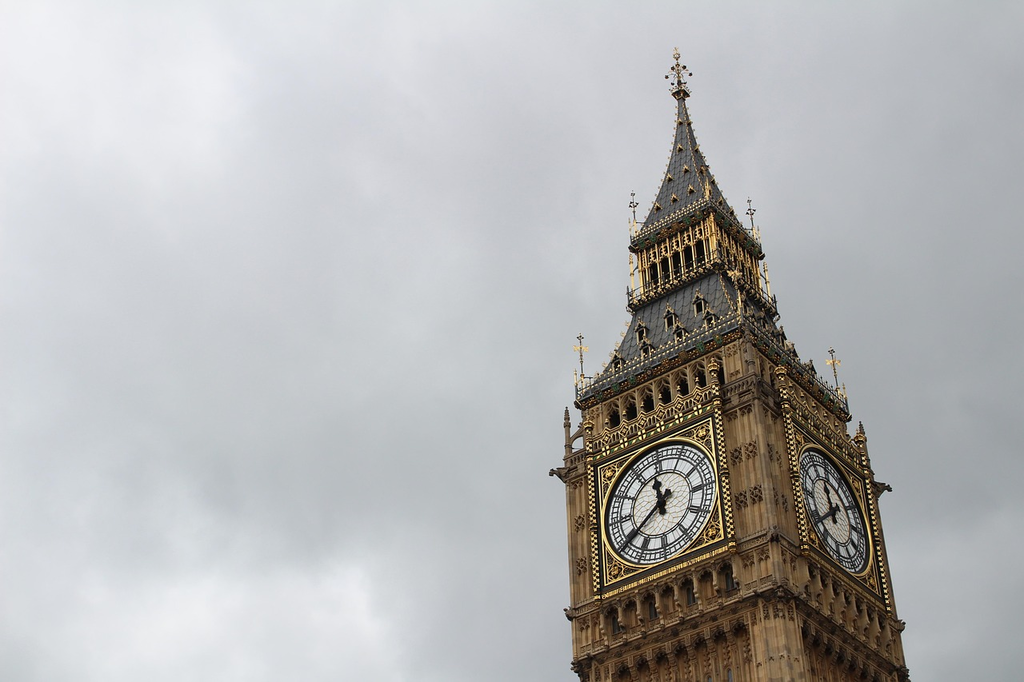
Clock tower architecture refers to the design and construction of towers featuring prominent clocks, often serving as central landmarks in towns or cities. These structures combine functionality—displaying time for the public—with aesthetic elements, including ornate facades, spires, and intricate detailing. Clock towers often symbolize civic pride and technological advancement, while keys, as daily essentials, historically provided access to wind or maintain the clocks, emphasizing the importance of timekeeping in daily life.
💡 Key Takeaways
- Identify the main architectural elements that define a clock tower: base, shaft, belfry, clock faces, and spire.
- Compare common clock-tower styles (Gothic, Victorian/Neo-Gothic, and Renaissance/Italianate) and their decorative motifs.
- Understand how the clock mechanism, bell chamber, and weights influence the tower’s layout and structural design.
- Explore material choices and construction techniques used to withstand weather, vibration, and aging in clock towers.
- Appreciate the role of clock towers in civic architecture and their impact on a city’s identity and skyline.
❓ Frequently Asked Questions
What is a clock tower and why are they built?
A clock tower is a tall structure that houses a public clock, often serving as a landmark and time reference for the surrounding area.
What are the essential components inside a clock tower?
Key parts include the clock movement, dials and hands, a power source (weights, springs, or electric), and a chime or bell mechanism.
How does architecture influence the appearance of clock towers?
Architectural style, materials, height, and detailing shape the tower’s silhouette and ensure it accommodates the clock and bells.
Why are clock towers commonly located in public spaces?
They provide a visible time reference for everyone, act as civic landmarks, and help project community identity.
What are some modern updates to clock towers without changing their exterior?
Electric or battery-powered movements, automated chimes, improved lighting, and easier maintenance while preserving historic appearances.