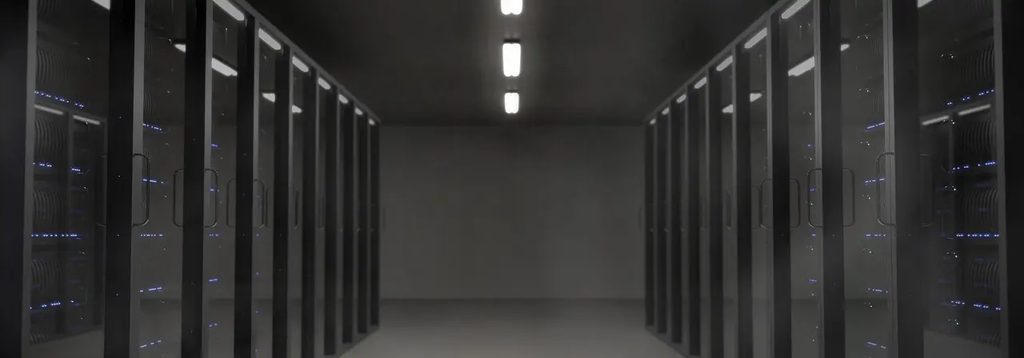
Cloud gaming and low-latency game streaming refer to delivering video games from remote servers over the internet, allowing users to play without high-end hardware. The game runs on powerful cloud servers, and the visuals are streamed to the player’s device in real time. Low-latency streaming ensures minimal delay between player input and on-screen response, providing a seamless and responsive gaming experience similar to playing locally.
Cloud Gaming and Low‑Latency Game Streaming
Cloud gaming and low-latency game streaming refer to delivering video games from remote servers over the internet, allowing users to play without high-end hardware. The game runs on powerful cloud servers, and the visuals are streamed to the player’s device in real time. Low-latency streaming ensures minimal delay between player input and on-screen response, providing a seamless and responsive gaming experience similar to playing locally.
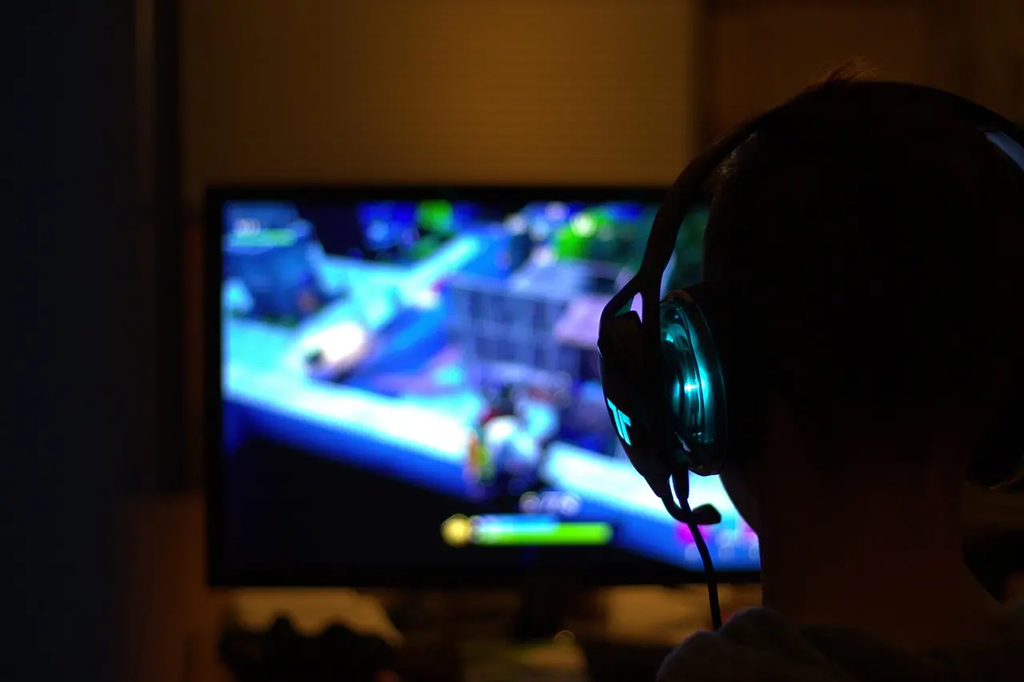
💡 Key Takeaways
- Understand how cloud gaming runs games on remote servers, letting you play on devices without high-end hardware.
- Learn how video is streamed in real time from the cloud to your device through encoding and compression.
- Grasp why low-latency streaming matters for responsive input and smooth visuals, and how latency affects gameplay.
- Identify practical setup tips (bandwidth, latency, stability, and device compatibility) to optimize cloud gaming performance.
❓ Frequently Asked Questions
What is cloud gaming?
Cloud gaming runs games on remote servers and streams video of the gameplay to your device, so you don’t need a powerful PC. Your inputs are sent back to the server in real time.
How does low-latency streaming improve gameplay?
Low-latency streaming minimizes the delay between your actions and what shows on screen by optimizing encoding, server routing, and network handling, making fast-paced games feel more responsive.
What factors influence cloud gaming performance?
Performance depends on your internet connection (speed and stability), latency to the server, server location, video resolution and frame rate, and the device you’re using.
What devices and internet requirements do I need?
You need a compatible device (PC, phone, tablet, or smart TV), a controller or input device, and a reliable internet connection with sufficient bandwidth and low latency (wired Ethernet or stable 5 GHz Wi‑Fi is recommended).