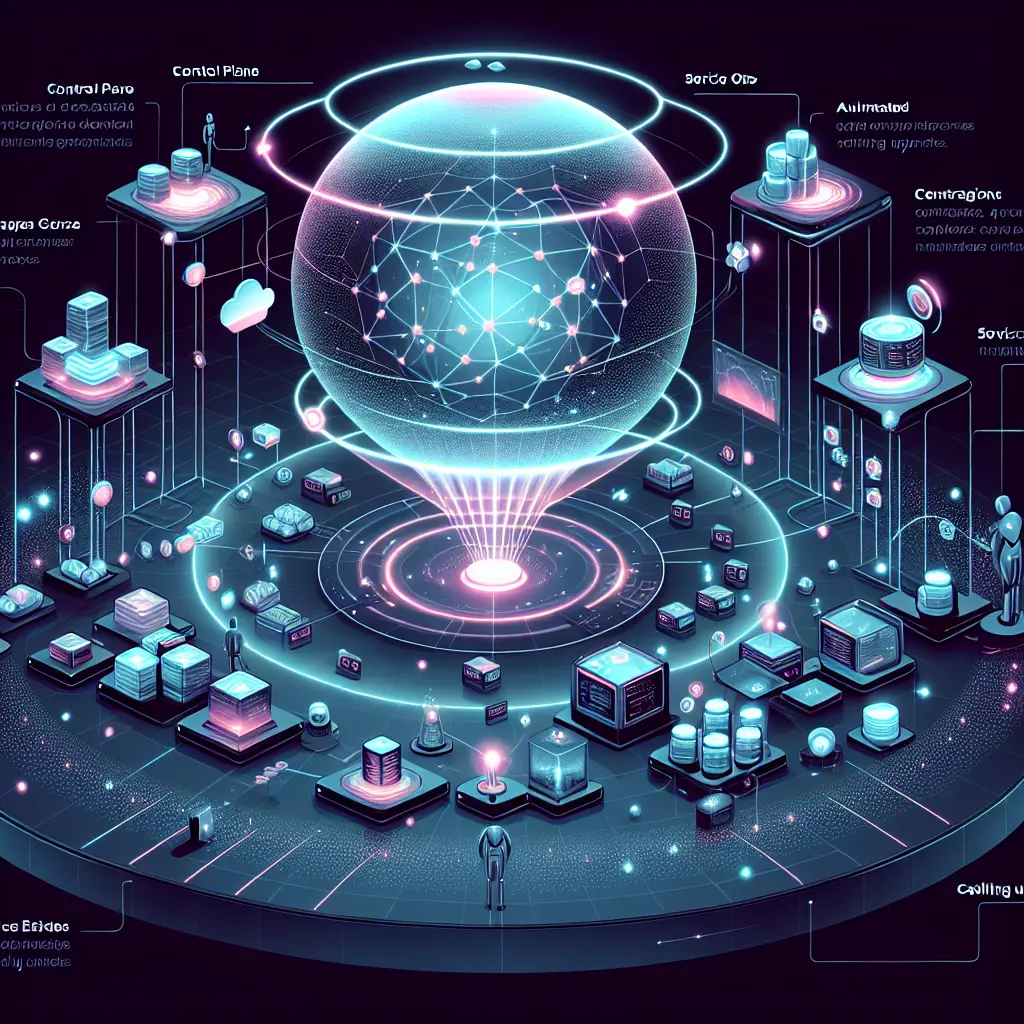
Cloud storage refers to saving data on remote servers accessed via the internet, allowing users to store, retrieve, and manage files online. Content Delivery Network (CDN) is a system of distributed servers that deliver web content, such as images and videos, to users based on their geographic location. Together, cloud storage and CDN enhance data availability, scalability, and speed, ensuring efficient and reliable access to digital resources worldwide.
Cloud Storage & CDN Concepts
Cloud storage refers to saving data on remote servers accessed via the internet, allowing users to store, retrieve, and manage files online. Content Delivery Network (CDN) is a system of distributed servers that deliver web content, such as images and videos, to users based on their geographic location. Together, cloud storage and CDN enhance data availability, scalability, and speed, ensuring efficient and reliable access to digital resources worldwide.

💡 Key Takeaways
- Differentiate cloud storage from on-premise storage and explain how data is stored, accessed, and managed online.
- Explain how a Content Delivery Network (CDN) uses edge servers and geographic routing to reduce latency and improve load times.
- Describe CDN caching concepts (edge vs origin, cache hits/misses, and cache invalidation) and their impact on content freshness and performance.
- Outline key cloud storage considerations—durability, latency, pricing, security, and typical use cases for static assets like images and videos.
❓ Frequently Asked Questions
What is cloud storage?
Cloud storage stores data on remote servers accessed via the internet, offering scalable capacity and managed infrastructure without on-site hardware.
What is a CDN and what problem does it solve?
A CDN is a network of distributed servers that deliver web content from locations near the user, reducing latency and offloading traffic from the origin.
How does a CDN improve content delivery speed?
By serving content from edge servers close to the user, a CDN lowers latency, speeds up page and media load times, and reduces bandwidth usage on the origin.
What is the difference between cloud storage and a CDN?
Cloud storage stores and retrieves data in the cloud, while a CDN caches and serves content to users from edge locations to accelerate delivery.
What is the origin server in CDN architecture?
The origin server is the primary source of content; the CDN fetches from it when content isn’t cached or needs updating to ensure fresh content is delivered.