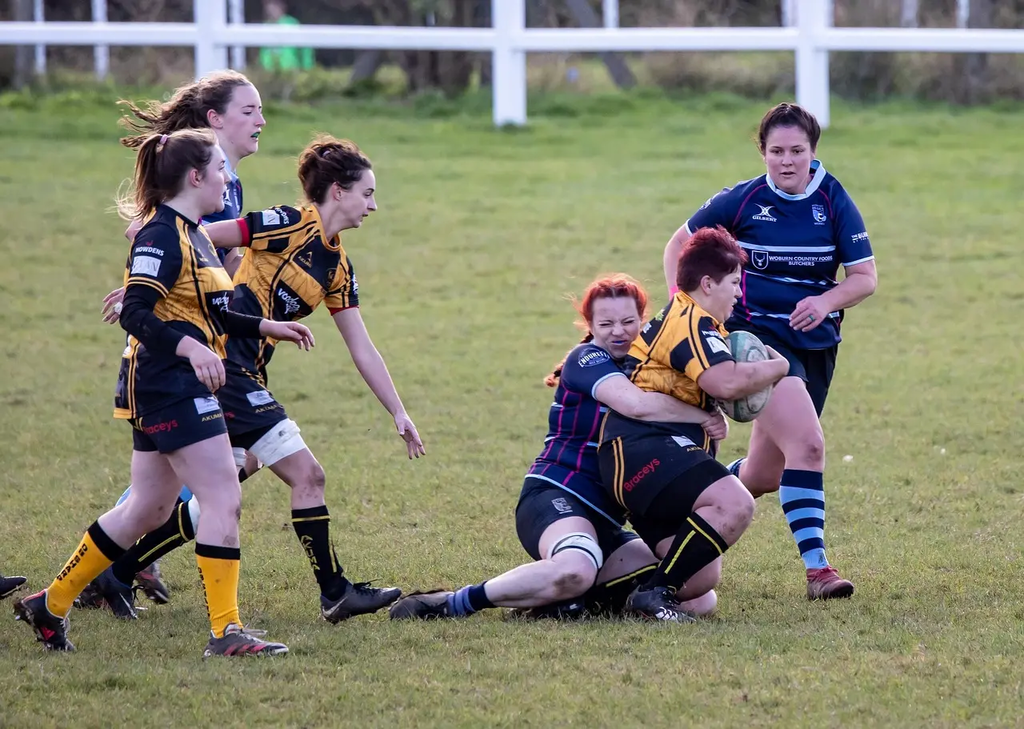
Clutch Performance Analysis refers to the evaluation of an individual’s or team’s effectiveness during high-pressure or critical moments in sports, business, or other competitive environments. This analysis examines how well someone performs when stakes are highest, often using metrics such as success rates, decision-making quality, and consistency under stress. The goal is to identify traits or strategies that contribute to excelling in crucial situations, ultimately improving overall performance during pivotal moments.
Clutch Performance Analysis
Clutch Performance Analysis refers to the evaluation of an individual’s or team’s effectiveness during high-pressure or critical moments in sports, business, or other competitive environments. This analysis examines how well someone performs when stakes are highest, often using metrics such as success rates, decision-making quality, and consistency under stress. The goal is to identify traits or strategies that contribute to excelling in crucial situations, ultimately improving overall performance during pivotal moments.

💡 Key Takeaways
- Define clutch performance and identify high-pressure moments across sports, business, and competitive environments.
- Learn key metrics to quantify clutch ability, such as success rate, decision quality, and impact on outcomes during critical moments.
- Explore data collection and analysis methods for clutch performance, including event-based analyses, time-series trends, and video review.
- Understand factors that influence clutch performance (pressure, preparation, mindset, fatigue, team support) and strategies to improve it (routines, rehearsal, decision frameworks).
❓ Frequently Asked Questions
What is clutch performance analysis?
An evaluation of how well someone performs during high-stakes moments, comparing clutch performance to their usual level using domain-specific metrics.
What counts as a 'clutch' moment?
High-stakes moments where the outcome hinges on the next action or decision; definitions vary by context (e.g., late-game plays, critical pitches, or pivotal business decisions).
What metrics are used to measure clutch performance?
Domain-dependent metrics such as success rate in clutch moments, scoring efficiency under pressure, decision quality, and impact on outcomes (e.g., win probability or revenue), often compared to non-clutch baselines.
What are common limitations to consider when analyzing clutch performance?
Small sample sizes, context specificity, potential biases, confounding factors, and the risk of overgeneralizing from a few high-pressure moments.