Coastal landforms in the UK include bays, headlands, and estuaries, each shaped by the interaction of sea and land. Bays are curved inlets formed by the erosion of softer rocks, offering sheltered areas. Headlands are protruding landforms of resistant rock, jutting into the sea and often facing strong wave action. Estuaries are wide river mouths where freshwater mixes with seawater, creating unique habitats and supporting diverse wildlife.
Coastal landforms: bays, headlands, estuaries of the UK
Coastal landforms in the UK include bays, headlands, and estuaries, each shaped by the interaction of sea and land. Bays are curved inlets formed by the erosion of softer rocks, offering sheltered areas. Headlands are protruding landforms of resistant rock, jutting into the sea and often facing strong wave action. Estuaries are wide river mouths where freshwater mixes with seawater, creating unique habitats and supporting diverse wildlife.
💡 Key Takeaways
- Identify bays, headlands and estuaries as UK coastal landforms shaped by the interaction between sea and land.
- Explain how bays form when softer rocks erode more quickly, creating curved inlets with sheltered waters.
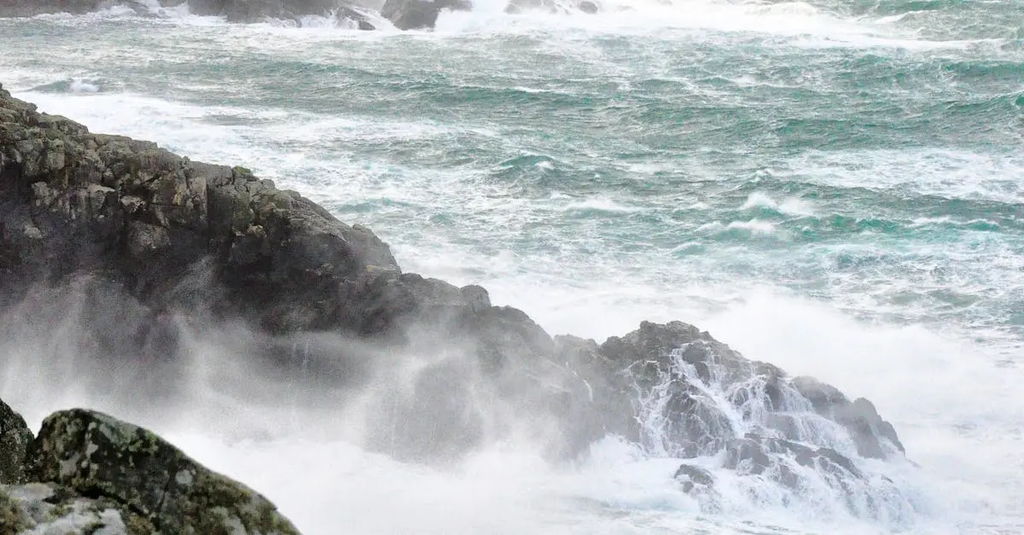
- Explain how headlands arise from resistant rocks that resist erosion and jut into the sea, often facing storms.
- Describe estuaries as tidal zones where rivers meet the sea, with sediment deposition and mixing of freshwater and seawater.
❓ Frequently Asked Questions
What is a bay?
A curved coastal inlet formed when softer rocks erode more quickly than surrounding harder rocks, creating a sheltered indentation along the coast.
What is a headland?
A protruding stretch of coastline made of resistant rock that sticks out into the sea and often faces strong waves.
What is an estuary?
The tidal mouth of a river where freshwater meets seawater, often with mudflats and rich habitats created by tidal and river processes.
Why do bays and headlands form differently along the UK coast?
Because rock hardness controls erosion: softer rocks form bays (erode to shelter), while harder rocks resist erosion and become headlands; tidal and wave action also helps shape estuaries where rivers meet the sea.