Coastal storms and nor’easters are intense weather systems that impact coastal regions, particularly along the eastern United States. Characterized by strong winds, heavy rainfall or snowfall, and powerful ocean waves, these storms can cause severe flooding, beach erosion, and property damage. Nor’easters derive their name from the northeasterly winds that accompany them, typically forming between September and April, and can disrupt transportation and utilities while posing risks to both coastal communities and inland areas.
Coastal Storms and Nor’easters
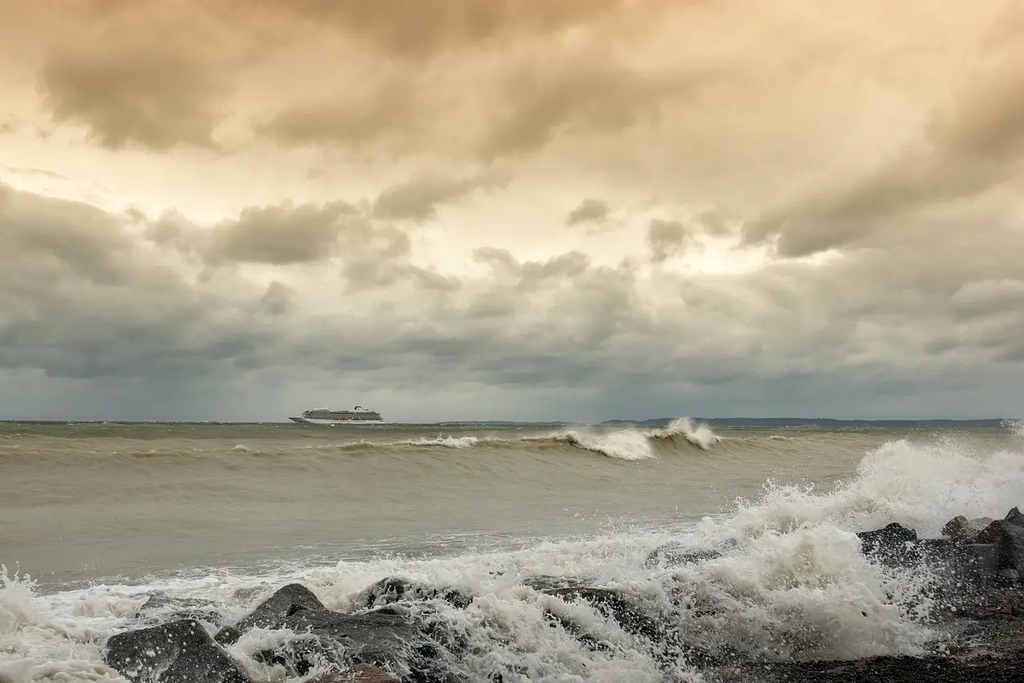
Coastal storms and nor’easters are intense weather systems that impact coastal regions, particularly along the eastern United States. Characterized by strong winds, heavy rainfall or snowfall, and powerful ocean waves, these storms can cause severe flooding, beach erosion, and property damage. Nor’easters derive their name from the northeasterly winds that accompany them, typically forming between September and April, and can disrupt transportation and utilities while posing risks to both coastal communities and inland areas.
💡 Key Takeaways
- Define coastal storms and nor’easters and where they commonly occur along the eastern United States.
- Recognize the storm features: strong winds, heavy rainfall or snowfall, and large, dangerous ocean waves.
- Describe the typical impacts: flooding, beach erosion, and damage to property and infrastructure.
- Understand the formation drivers and seasonal timing: interaction of contrasting air masses over warm Atlantic waters and how forecasters track and warn about them.
❓ Frequently Asked Questions
What is a nor'easter?
A large coastal storm along the U.S. East Coast, driven by cold Arctic air meeting warm Atlantic air, bringing strong northeast winds, heavy rain or snow, and possible coastal flooding.
How do coastal storms and nor'easters form?
They develop as extratropical cyclones along the East Coast when contrasting air masses meet, creating a low-pressure system that moves northeast with strong winds and precipitation.
What are common impacts of these storms?
Strong winds, heavy rain or snow, storm surge and coastal flooding, beach erosion, power outages, and travel disruptions.
What is storm surge?
A temporary rise in coastal water levels caused by onshore winds and low pressure during a storm, which can flood shorelines beyond normal tides.
When do nor'easters typically occur?
They most often happen from fall through early spring, peaking in winter when cold Arctic air meets warm Atlantic air and the jet stream steers the storm northeast.