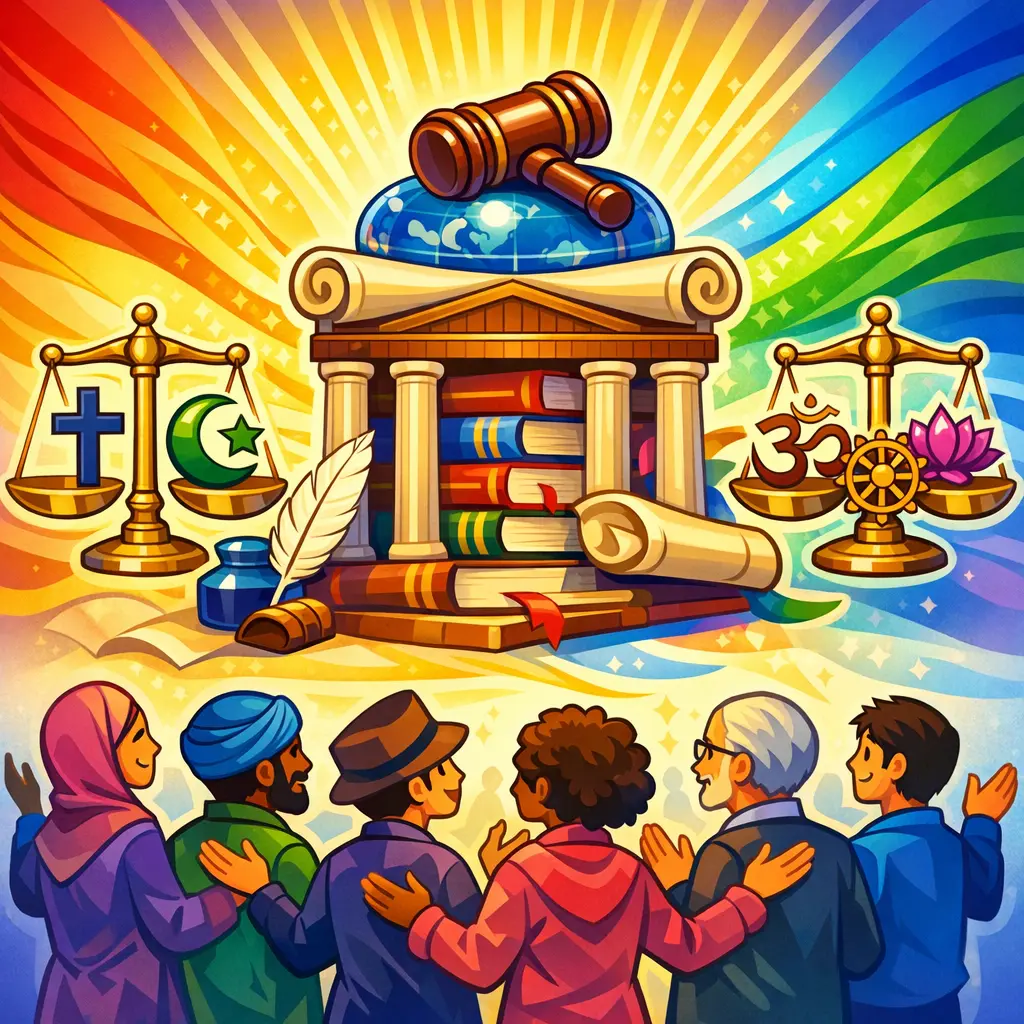
The phrase "Cognitive Science of Religion & Learning (Culture, Religion & Society)" refers to the interdisciplinary study of how human cognition shapes and is shaped by religious beliefs, practices, and learning processes within cultural and societal contexts. It explores how mental processes—such as perception, memory, and reasoning—influence religious thought and behavior, and how these, in turn, interact with cultural norms, traditions, and social structures.
Cognitive Science of Religion & Learning
The phrase "Cognitive Science of Religion & Learning (Culture, Religion & Society)" refers to the interdisciplinary study of how human cognition shapes and is shaped by religious beliefs, practices, and learning processes within cultural and societal contexts. It explores how mental processes—such as perception, memory, and reasoning—influence religious thought and behavior, and how these, in turn, interact with cultural norms, traditions, and social structures.
💡 Key Takeaways
- Understand how cognitive processes like agency detection and intuitive theism contribute to religious beliefs and practices.
- Learn how social learning and cultural transmission spread religious ideas across generations.
- Explore how memory, biases, and reasoning shape religious thinking and skepticism.
- Apply cognitive science perspectives to evaluate religious claims with evidence and critical thinking.
❓ Frequently Asked Questions
What is the cognitive science of religion?
An interdisciplinary field that uses cognitive science to understand how the mind processes religious ideas, why people believe and practice religion, and how rituals develop and spread.
What is the Hyperactive Agency Detection Device (HADD)?
A proposed cognitive bias that leads people to infer agency in ambiguous situations, helping explain why many cultures perceive spirits or gods.
How does theory of mind relate to religion?
Theory of mind is the ability to attribute beliefs and intentions to others; in CSR, it helps explain why people infer divine minds, motives, and moral guidance.
How do learning and cultural transmission shape religious beliefs?
Religious ideas spread through teaching, imitation, and social reinforcement; memory biases and pedagogical cues influence which beliefs persist across generations.