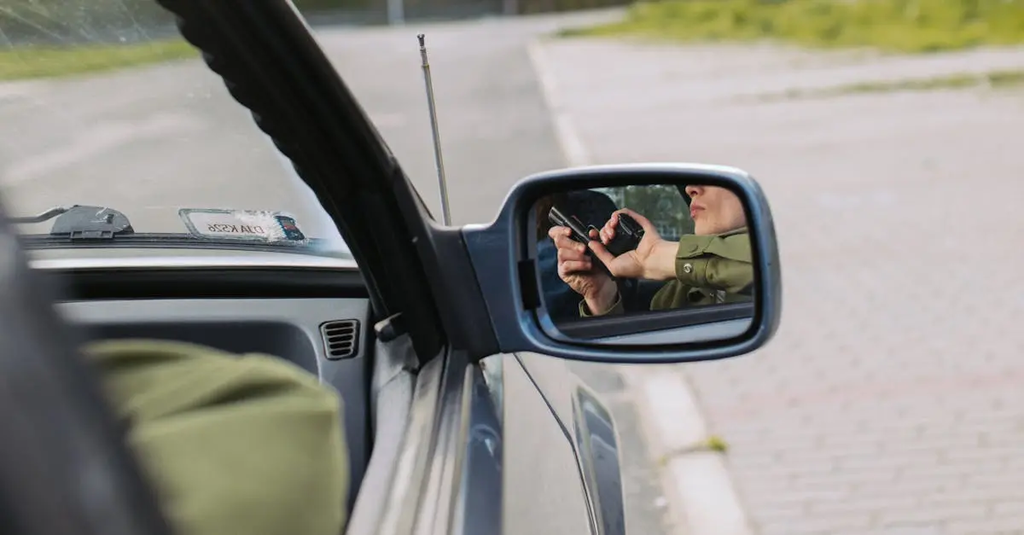
"Cold Cases and DNA Breakthroughs" refers to unsolved criminal investigations that have remained unresolved for years or decades, often due to a lack of evidence or leads. With advancements in DNA technology, forensic experts can now re-examine old evidence, sometimes identifying suspects or victims and solving cases previously thought impossible to crack. These breakthroughs bring justice to victims and closure to families, highlighting the power of modern science in law enforcement.
Cold Cases and DNA Breakthroughs
"Cold Cases and DNA Breakthroughs" refers to unsolved criminal investigations that have remained unresolved for years or decades, often due to a lack of evidence or leads. With advancements in DNA technology, forensic experts can now re-examine old evidence, sometimes identifying suspects or victims and solving cases previously thought impossible to crack. These breakthroughs bring justice to victims and closure to families, highlighting the power of modern science in law enforcement.
💡 Key Takeaways
- Understand how advances in DNA technology allow researchers to re-test old evidence and solve cold cases.
- Learn why careful evidence preservation and proper chain-of-custody are essential for future forensic breakthroughs.
- Explore the steps investigators take when revisiting cold cases—re-examining evidence, re-interviewing witnesses, and applying new techniques.
- Recognize the impact of DNA breakthroughs on identifying suspects and victims, and how discoveries affect families and communities.
- Identify the limitations and ethical considerations in re-opening cases and handling genetic information in criminal investigations.
❓ Frequently Asked Questions
What is a cold case?
A cold case is a criminal investigation that remains unsolved for a long time, often due to limited evidence or lost leads, and may be reopened when new information emerges.
How can DNA technology help solve old crimes?
Advances in DNA testing, sequencing, and database comparisons allow reanalysis of old evidence, which can identify suspects or victims years after the crime.
What is genetic genealogy and how is it used in investigations?
Genetic genealogy combines DNA testing with family history research to locate relatives and narrow down a suspect or identify remains when traditional leads are weak.
What are common challenges when re-testing old evidence?
Issues include degraded or contaminated samples, missing records, legal/privacy constraints, and the possibility of inconclusive results or misleading leads even with new technology.