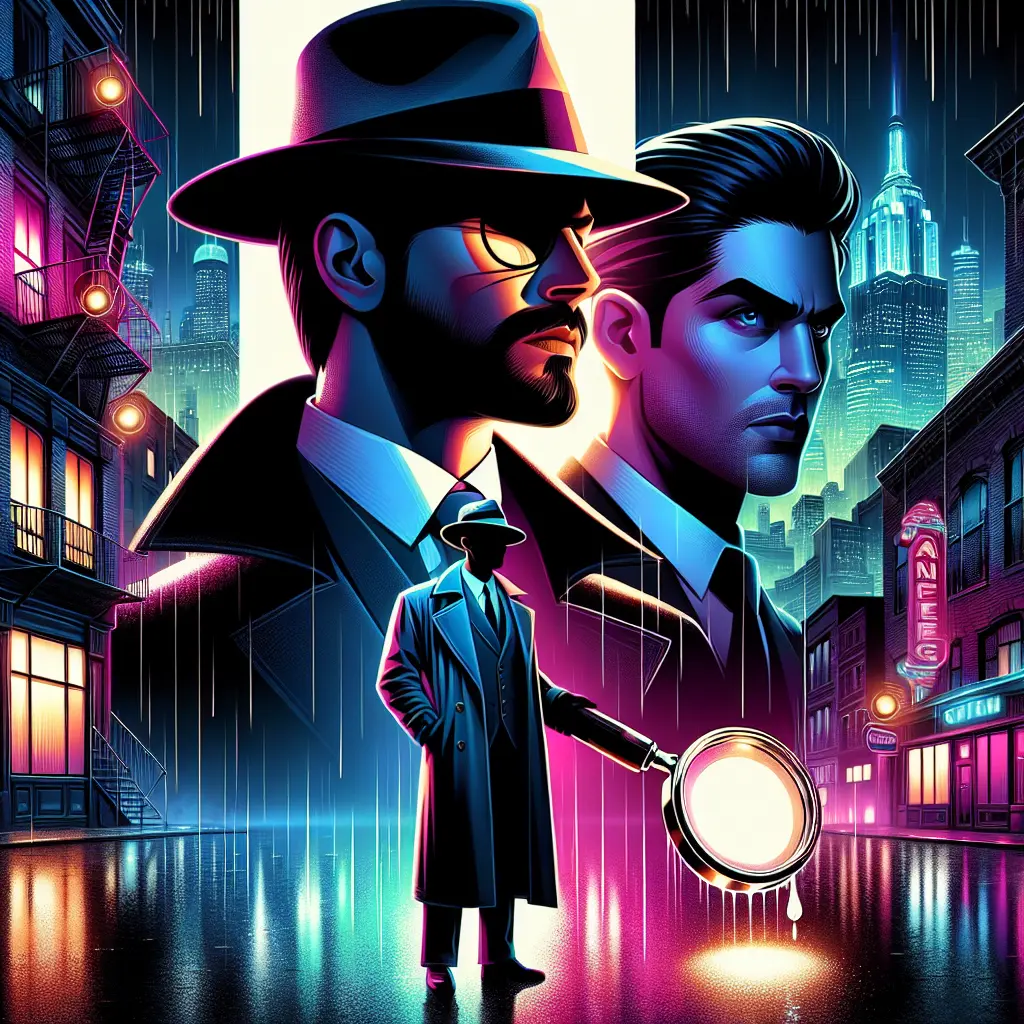
Cold cases and historical mysteries refer to unsolved crimes or enigmatic events from the past that remain unresolved despite investigations. These cases often involve missing persons, unexplained deaths, or puzzling incidents that capture public curiosity. Over time, new evidence, forensic advancements, or fresh perspectives may shed light on these mysteries, but many remain open-ended, fueling speculation, theories, and fascination among historians, detectives, and enthusiasts alike.
Cold Cases & Historical Mysteries
Cold cases and historical mysteries refer to unsolved crimes or enigmatic events from the past that remain unresolved despite investigations. These cases often involve missing persons, unexplained deaths, or puzzling incidents that capture public curiosity. Over time, new evidence, forensic advancements, or fresh perspectives may shed light on these mysteries, but many remain open-ended, fueling speculation, theories, and fascination among historians, detectives, and enthusiasts alike.
💡 Key Takeaways
- Differentiate cold cases and historical mysteries from other genres and understand why they often stay unsolved.
- Explain how new evidence and forensic advances can rewrite timelines of past cases.
- Compare historical investigative methods with modern techniques used in cold-case work.
- Analyze how unresolved cases shape lore, plots, and fan theories within franchises and universes.
❓ Frequently Asked Questions
What is a cold case?
An unresolved crime or mystery that has remained unsolved for an extended period, with investigations that may be reopened when new information emerges.
What kinds of cases typically become cold?
Missing persons, unexplained deaths, and other enigmatic incidents where leads have dried up or evidence is lacking.
How can modern forensics help solve cold cases?
Advancements like DNA analysis, genetic genealogy, digital forensics, and re-examination of evidence can generate new leads.
What’s the difference between historical mysteries and cold cases?
Historical mysteries involve unresolved events from the distant past; cold cases are unresolved investigations that may exist in any era and can be reopened with new evidence.
How are cold cases portrayed in franchises and universes?
Fictional series spread clues across installments, maintain canon, and explore multiple theories, inviting fans to piece together the mystery.