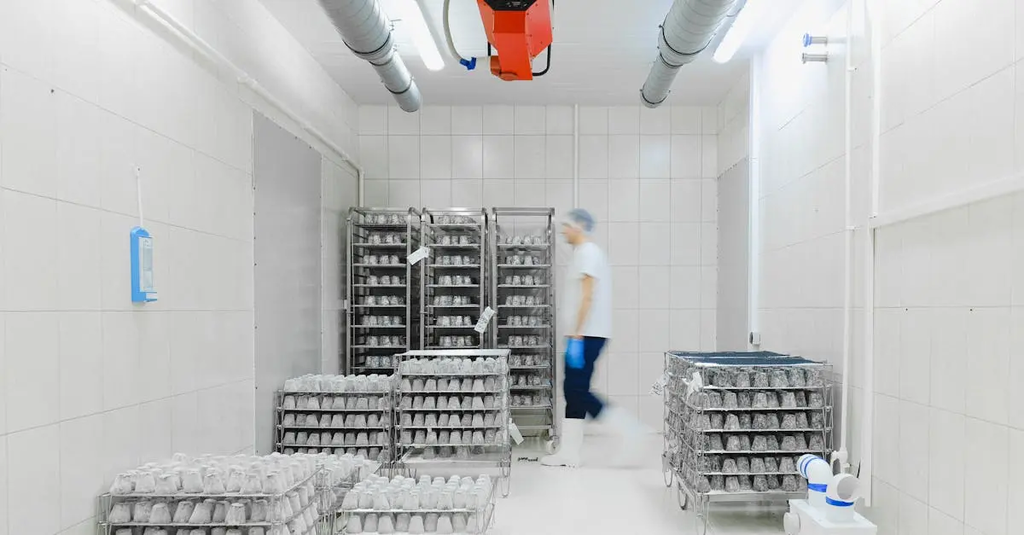
Cold chain logistics management refers to the process of storing, transporting, and handling temperature-sensitive products, such as pharmaceuticals, vaccines, and perishable foods, within a controlled temperature range. It involves specialized equipment, monitoring systems, and protocols to maintain product integrity and safety throughout the supply chain. Effective management minimizes spoilage, ensures regulatory compliance, and protects public health by preserving product quality from origin to final destination.
Cold Chain Logistics Management
Cold chain logistics management refers to the process of storing, transporting, and handling temperature-sensitive products, such as pharmaceuticals, vaccines, and perishable foods, within a controlled temperature range. It involves specialized equipment, monitoring systems, and protocols to maintain product integrity and safety throughout the supply chain. Effective management minimizes spoilage, ensures regulatory compliance, and protects public health by preserving product quality from origin to final destination.
💡 Key Takeaways
- Understand why strict temperature control is essential for vaccines, medicines, and perishables.
- Identify the main cold chain elements: refrigerated storage, insulated transport, and monitoring equipment.
- Learn typical temperature ranges and how to maintain them during storage, loading, and transit.
- Recognize field practices for safe packaging, loading/unloading, route planning, and deviation handling.
- Understand key compliance basics and SOPs for cold chain operations in trades and field roles.
❓ Frequently Asked Questions
What is cold chain logistics management?
The end-to-end handling of temperature-sensitive products—from manufacturing to delivery—keeping them within a defined temperature range to preserve quality and safety.
Why is temperature control critical for vaccines and pharmaceuticals?
These products can lose potency or spoil if not kept within the specified temperatures, risking reduced effectiveness and safety.
What equipment and systems support the cold chain?
Refrigerated transport, insulated packaging, cold storage rooms, temperature sensors and data loggers, real-time monitoring, alarms, and validated procedures.
What is a temperature excursion and how is it handled?
A deviation outside the approved temperature range. It should be documented, isolated to affected products, assessed for viability, and addressed with corrective actions to prevent recurrence.