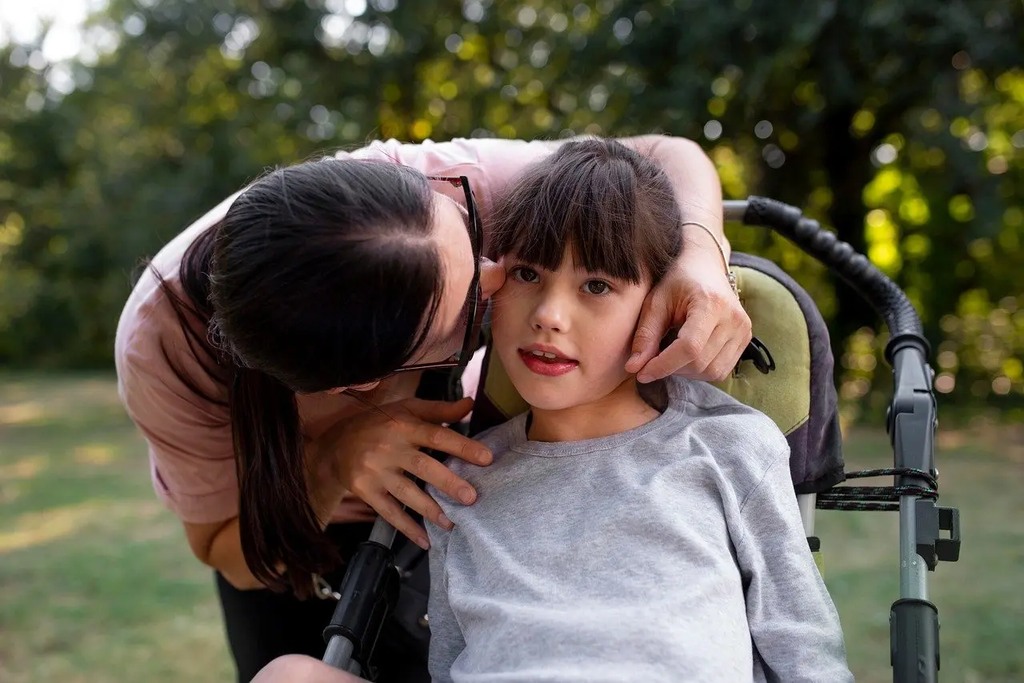
Collaborating with educators and planning for ongoing growth in child development (ages 0–10) involves working closely with teachers and caregivers to monitor and support each child's physical, cognitive, and emotional progress. This partnership ensures that developmentally appropriate strategies are implemented, challenges are addressed early, and learning environments are tailored to individual needs. Regular communication and shared goal-setting foster a holistic approach, promoting continuous growth and positive outcomes for children during these formative years.
Collaborating with educators and planning for ongoing growth
Collaborating with educators and planning for ongoing growth in child development (ages 0–10) involves working closely with teachers and caregivers to monitor and support each child's physical, cognitive, and emotional progress. This partnership ensures that developmentally appropriate strategies are implemented, challenges are addressed early, and learning environments are tailored to individual needs. Regular communication and shared goal-setting foster a holistic approach, promoting continuous growth and positive outcomes for children during these formative years.
💡 Key Takeaways
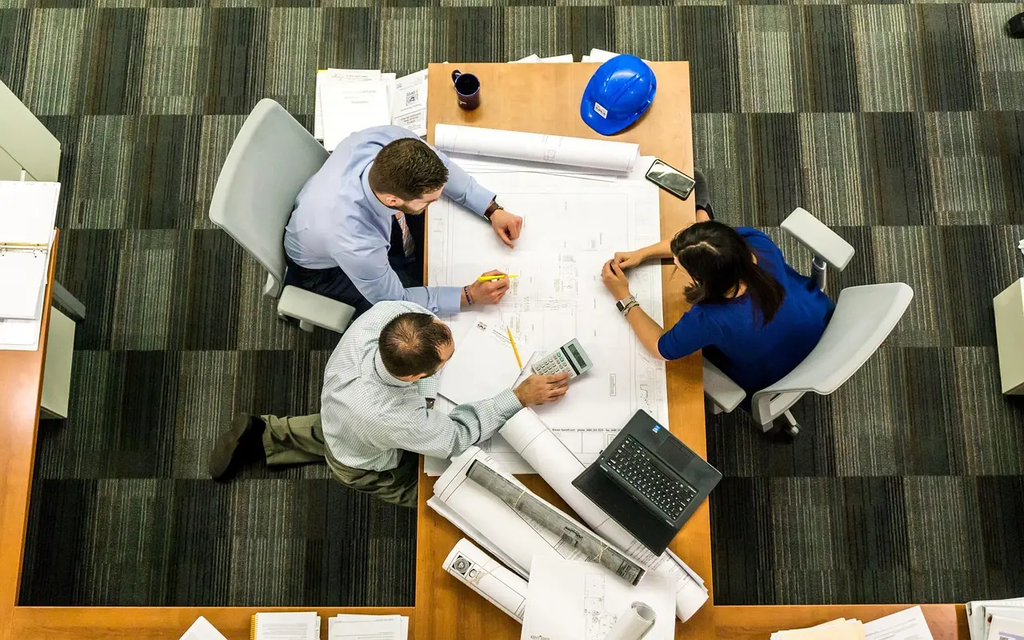
- Collaborate effectively with educators across roles to support student learning and school goals
- Co-create and implement a professional growth plan with clear, measurable goals
- Set milestones and timelines for ongoing collaboration and growth
- Use feedback loops and reflective practice to sustain progress
- Adopt tools and routines that support continuous collaboration and progress tracking
❓ Frequently Asked Questions
What does collaborating with educators mean in this context?
Working with teachers and education specialists to align goals, share ideas, and co-create learning experiences.
What are the first steps to collaborate with educators?
Identify key educators, clarify shared objectives, establish communication norms, and set up a kickoff plan.
How can you plan for ongoing growth with educators?
Create a flexible, long-term plan with milestones, continuous feedback, professional development, and cycles of iteration.
How do you measure the success of educator collaboration?
Track outcomes like student engagement, learning gains, educator feedback, and progress toward growth goals.