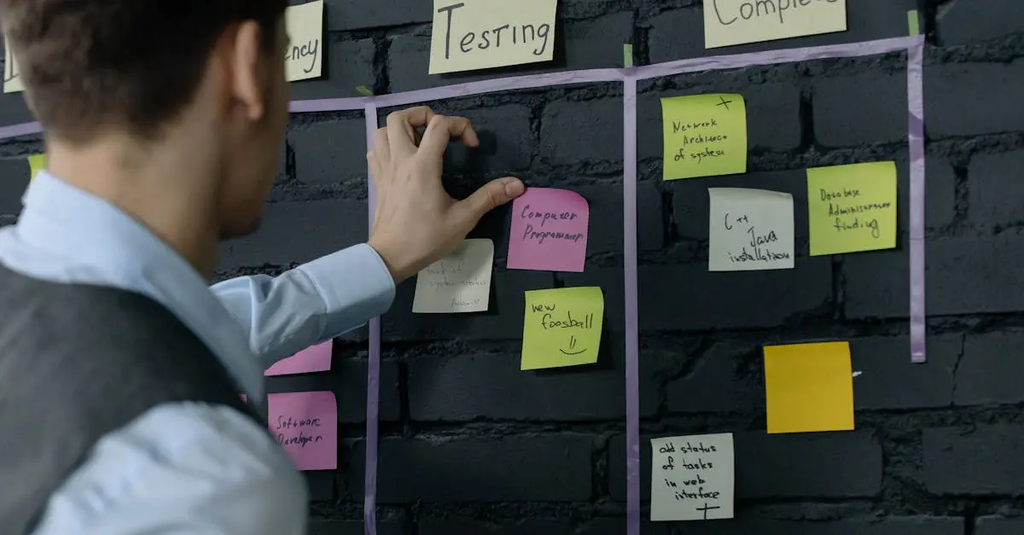
Collaborative Kanban & WIP Limits refer to a team-based approach to workflow management using Kanban boards, where tasks are visualized and tracked collectively. Work-In-Progress (WIP) limits are set to restrict the number of tasks in each workflow stage, encouraging teamwork, focus, and efficiency. This method helps prevent bottlenecks, balances workload, and fosters continuous communication, ensuring that teams deliver higher quality work by managing capacity and prioritizing tasks effectively.
Collaborative Kanban & WIP Limits
Collaborative Kanban & WIP Limits refer to a team-based approach to workflow management using Kanban boards, where tasks are visualized and tracked collectively. Work-In-Progress (WIP) limits are set to restrict the number of tasks in each workflow stage, encouraging teamwork, focus, and efficiency. This method helps prevent bottlenecks, balances workload, and fosters continuous communication, ensuring that teams deliver higher quality work by managing capacity and prioritizing tasks effectively.
💡 Key Takeaways
- Understand how collaborative Kanban boards visualize work to boost team transparency and alignment.
- Learn how to set and enforce WIP limits to reduce multitasking and improve flow.
- Discover practical habits for sustaining Kanban practices (daily updates, standups, and regular reviews).
- Identify common Kanban pitfalls and strategies to continuously improve throughput and collaboration.
❓ Frequently Asked Questions
What is collaborative Kanban?
Collaborative Kanban is a team-based workflow method that uses a visual Kanban board to map, track, and move work together, promoting transparency and coordinated effort.
What are WIP limits and why are they used?
WIP limits cap the number of tasks in each stage to prevent overload, reveal bottlenecks, and encourage finishing work before starting new items.
How do WIP limits improve teamwork and focus?
They create shared constraints that require collaboration to move work forward, reduce context switching, and keep the team aligned on priorities.
How can you implement WIP limits on a Kanban board?
Set a maximum number of items per column, apply the limit to the board, and use a pull-based approach where teammates pull new work only after finishing or moving existing tasks; review and adjust limits as needed.
When should WIP limits be adjusted?
Adjust them based on team capacity and flow: tighten during high demand or bottlenecks, and relax when the team is stable and throughput can safely increase.