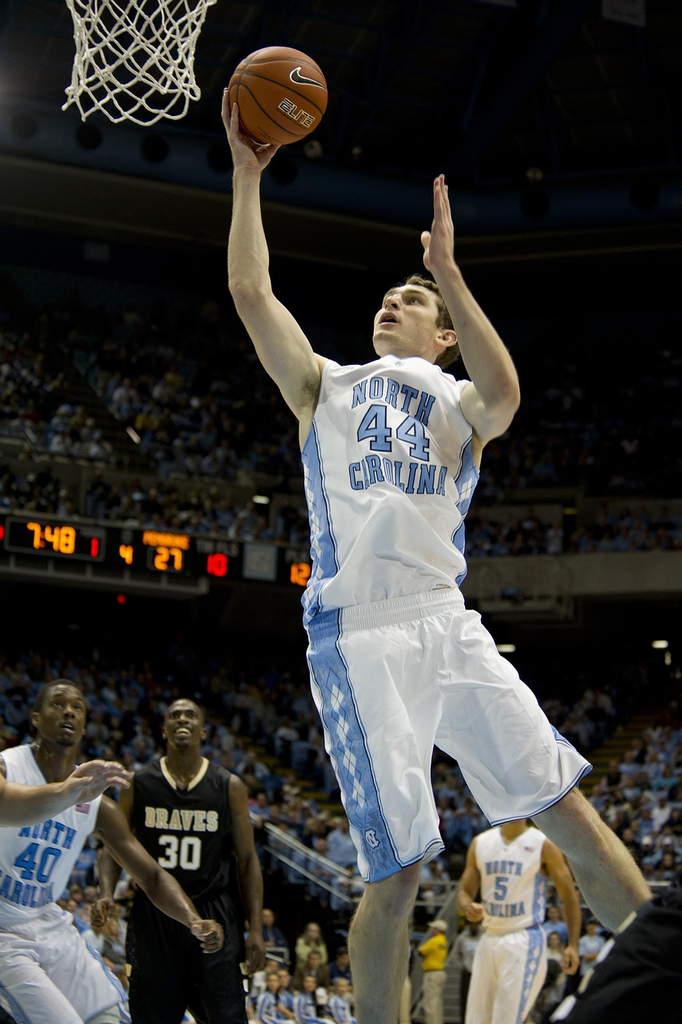
College basketball and media share a dynamic relationship, with media coverage significantly shaping the sport’s popularity and cultural impact. Television networks, online platforms, and social media broadcast games, highlight athletes, and generate widespread fan engagement. Major events like March Madness attract massive audiences, driving advertising revenue and national attention. Media exposure also influences recruiting, player recognition, and school reputations, making it a crucial aspect of college basketball’s growth and visibility.
College Basketball and Media
College basketball and media share a dynamic relationship, with media coverage significantly shaping the sport’s popularity and cultural impact. Television networks, online platforms, and social media broadcast games, highlight athletes, and generate widespread fan engagement. Major events like March Madness attract massive audiences, driving advertising revenue and national attention. Media exposure also influences recruiting, player recognition, and school reputations, making it a crucial aspect of college basketball’s growth and visibility.
💡 Key Takeaways
- Understand how media coverage shapes public perception of college basketball programs.
- Identify the key media roles in college basketball broadcasts (play-by-play, analysts, reporters) and their influence.
- Learn how broadcasting rights, conferences, and media days affect the sport’s visibility and economics.
- Explore how social media and highlight culture impact fan engagement and recruiting in college basketball.
❓ Frequently Asked Questions
What is the purpose of media rights deals in college basketball?
Media rights license games to networks and streaming platforms, generate revenue for schools, conferences, and the NCAA, and determine when and where games are shown.
How do polls like the AP Top 25 influence college basketball?
Polls shape public perception and media narratives about teams, which can affect fan interest and discussions, though postseason seeding is based on broader criteria, not just polls.
What are the typical roles in a college basketball broadcast?
Play-by-play narrates the action, the color commentator provides analysis and context, and the sideline reporter delivers updates and news from the arena.
Why is social media and highlight coverage important for college basketball?
It extends reach beyond live games, offers quick recaps and player stories, and helps fans engage with teams and games across platforms.